










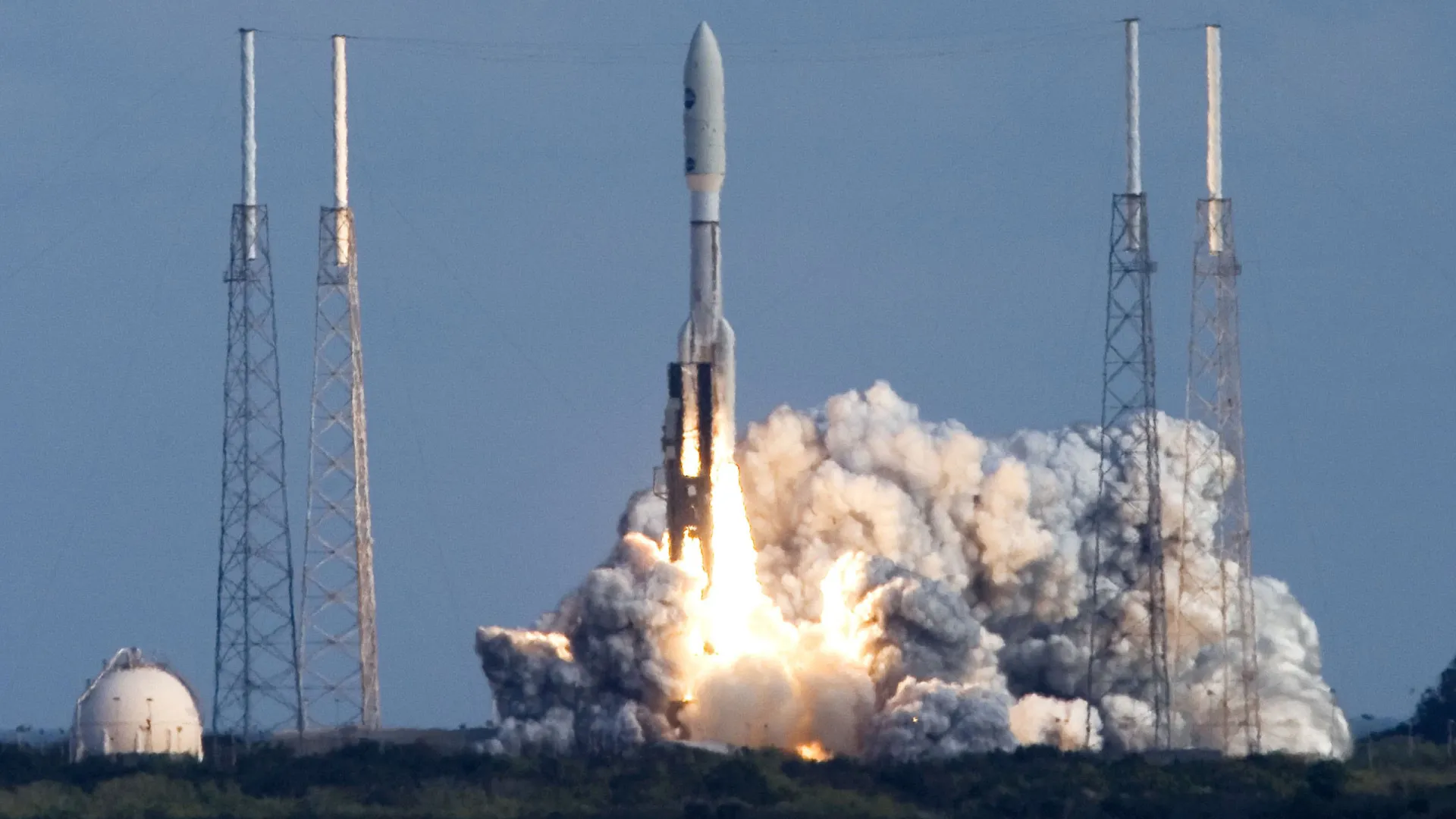
Space Exploration Reaches a Milestone: NASA’s Artemis Mission to Send Humans Back to the Moon
In a groundbreaking achievement, NASA has announced that its Artemis mission will mark the first human visit to the lunar vicinity since the Apollo 17 mission in December 1972. This monumental undertaking is a testament to humanity’s enduring curiosity and drive to explore the vast expanse of space.
A New Era of Space Exploration
The Artemis mission, originally slated for a February launch, has been a long-time project in the works. Its primary objective is to send the first woman and the next man to the lunar surface by 2025. This milestone marks a significant step forward in NASA’s plans to establish a sustainable presence on the Moon, with the ultimate goal of using the lunar gateway as a stepping stone for further human exploration of the solar system.
A Brief History of Lunar Exploration
The Apollo program, which successfully landed humans on the Moon six times between 1969 and 1972, remains a pivotal moment in the history of space exploration. The Apollo 17 mission, crewed by Eugene Cernan, Ronald Evans, and Harrison Schmitt, was the final manned lunar mission to date. Since then, numerous robotic missions have been sent to the Moon, but no human has ventured beyond low Earth orbit.
The Challenges Ahead
As NASA prepares to send humans back to the Moon, the agency faces numerous challenges, including the development of a reliable and efficient spacecraft, the creation of a sustainable lunar base, and the establishment of a safe and effective means of transportation between the Earth and the Moon. Additionally, the Artemis mission will require significant advances in areas such as life support systems, radiation protection, and communication technology.
A New Frontier
Despite the challenges ahead, the Artemis mission represents a historic opportunity for humanity to return to the Moon and push the boundaries of space exploration. As we look to the future, it is clear that this mission will not only pave the way for further lunar exploration but also serve as a stepping stone for even more ambitious endeavors, such as sending humans to Mars and beyond.
Conclusion
The Artemis mission marks a significant milestone in the history of space exploration, and NASA’s commitment to this project is a testament to the agency’s dedication to pushing the boundaries of human knowledge and achievement. As we embark on this new chapter in space exploration, it is clear that the possibilities are endless, and the future of humanity in space is brighter than ever.
Source: Notícias ao Minuto Brasil – Tech