









Iran’s New Supreme Leader Takes a Defiant Stance: Regional Implications
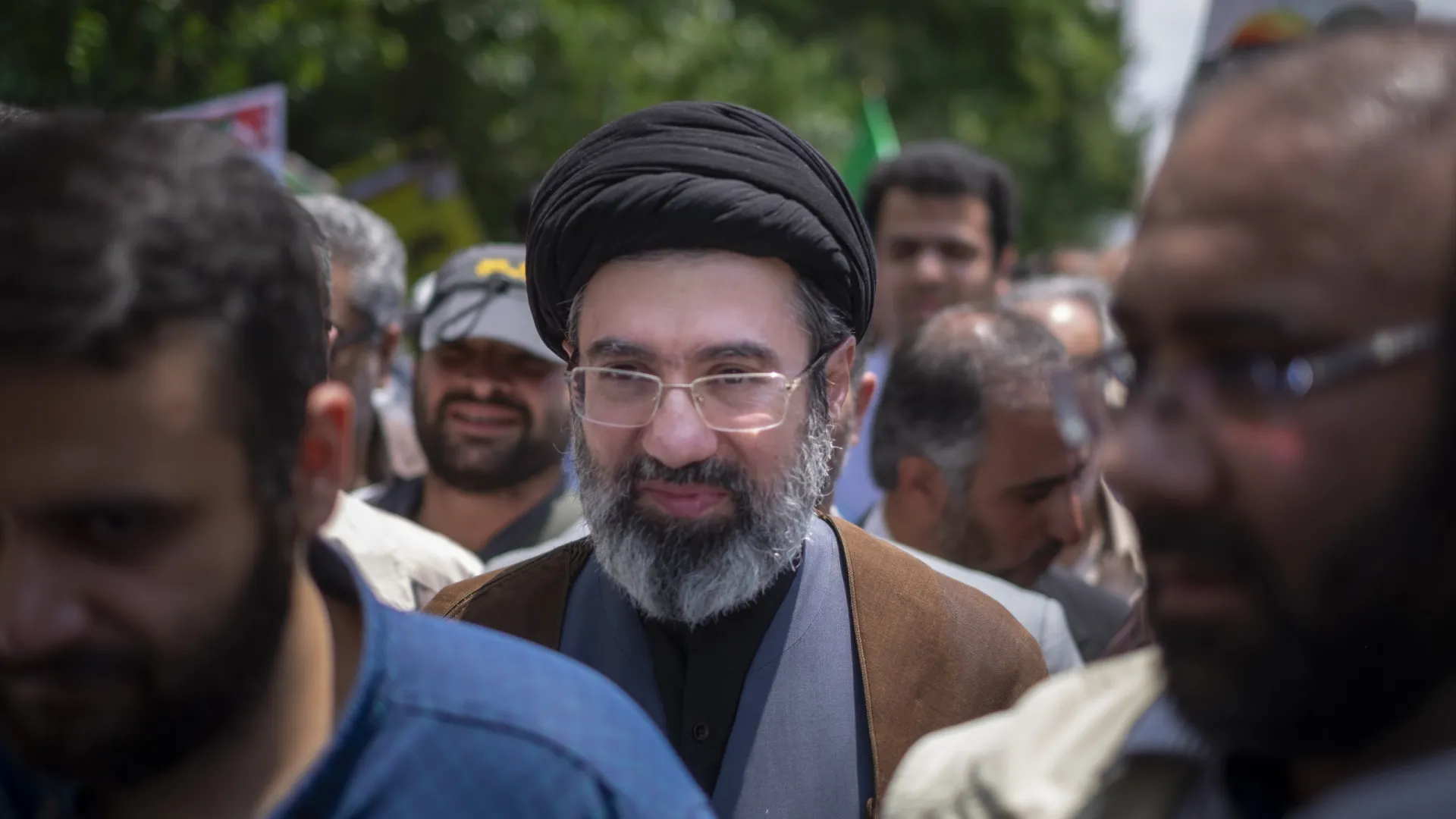
The recent appointment of Mojtaba Khamenei as the new supreme leader of Iran has sent shockwaves throughout the Middle East. In his maiden address, Khamenei presented a bold and assertive tone, outlining a clear vision for his country’s future foreign policy. The new leader’s remarks have far-reaching implications for regional dynamics and global security, as he signaled a continued commitment to challenging US interests in the region.
A Complex Web of Alliances
Iran’s geopolitical landscape is characterized by a complex network of alliances and rivalries. The country has long been at odds with the United States, due in part to their differing views on regional security and the role of external powers. Washington’s presence in the region, particularly through its military bases in countries such as Iraq and Afghanistan, has long been a source of contention for Tehran. Khamenei’s statement that Iran values its friendships with its neighbors, yet remains determined to target American bases on the territory of Washington’s allies, highlights the ongoing tensions between the two nations.
The Rise of Mojtaba Khamenei: A Heir to Ayatollah’s Legacy
Mojtaba Khamenei, the son of the late Supreme Leader Ali Khamenei, has taken the reins of power in a country that has historically been governed by a strict theocratic regime. As the new leader, he inherits a complex legacy forged by his father’s pragmatic approach to diplomacy, which often walked a fine line between cooperation and confrontation. Mojtaba’s appointment has sparked speculation about his leadership style and the trajectory of Iran’s foreign policy under his stewardship.
A New Era of Confrontation?
Khamenei’s inaugural address has sparked concerns about a possible escalation of tensions in the region. The United States has long been wary of Iran’s military capabilities and its nuclear ambitions, which have been the subject of intense international scrutiny. The new leader’s assertion that Iran will continue to target American bases in the region is likely to exacerbate existing tensions and potentially lead to a new era of confrontation.
Historical Context: A Legacy of Confrontation
The relationship between Iran and the United States has been marked by periods of tension and conflict, dating back to the 1979 Islamic Revolution. The Iran-US hostage crisis, the Iran-Iraq War, and the ongoing nuclear standoff have all contributed to a complex and often fraught relationship. Khamenei’s statement is the latest chapter in this ongoing saga, and its implications will be closely watched by policymakers and analysts alike.
Conclusion
Mojtaba Khamenei’s inaugural address has sent a clear signal that Iran will continue to challenge US interests in the region. As the new leader navigates the complex web of alliances and rivalries in the Middle East, the international community will be watching closely for signs of a possible escalation of tensions. The implications of Khamenei’s statement are far-reaching, with the potential to impact regional dynamics and global security in the years to come.