










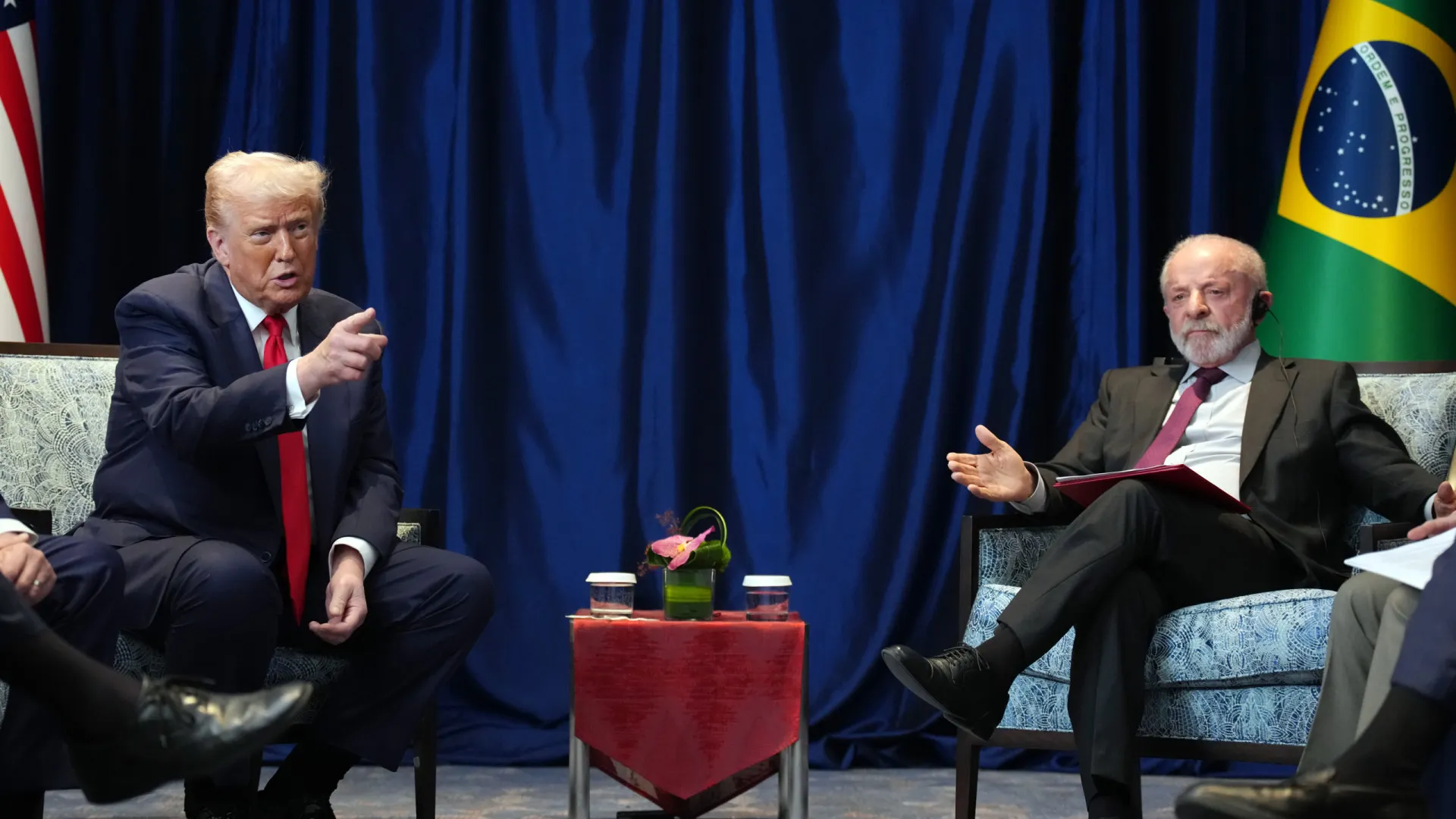
US-Brasil Extradition Deal: A Complex Web of Crime and Politics
The administration of former US President Donald Trump reportedly planned to send convicted felons and foreign nationals captured in the United States to Brazil, sparking concerns about the impact on the South American country’s already-strained justice system. Additionally, the US government has requested that Brazil develop a plan to eradicate major organized crime groups operating within its borders, including the First Capital Command (PCC), the Red Command (Comando Vermelho), Hezbollah, and Chinese organized crime syndicates.
A History of Extradition Disputes
Extradition agreements between the US and Brazil date back to the 1990s, with the two countries signing a treaty in 1994. However, these agreements have been subject to controversy, particularly in cases where the accused individuals have been deemed to be at high risk of mistreatment or persecution in their country of origin. In 2019, a federal judge in Brazil blocked the extradition of a Brazilian national accused of murder, citing concerns about the country’s human rights record.
The PCC and Other Organized Crime Groups
The PCC, a powerful Brazilian organized crime group, has been linked to various crimes, including murder, extortion, and human trafficking. Founded in the 1990s, the group has expanded its reach across Brazil and into neighboring countries. Similarly, the Comando Vermelho, another major Brazilian organized crime group, has a history of violence and intimidation. Hezbollah, a Lebanese Shia Islamist group, has been accused of having ties to organized crime and terrorist activities in Brazil. Chinese organized crime syndicates, on the other hand, have been linked to various crimes, including human trafficking and money laundering.
Implications for Brazil’s Justice System
The US request for a plan to eradicate these organized crime groups raises concerns about the capacity of Brazil’s justice system to tackle the issue. Brazil’s prisons are notorious for overcrowding and violence, with many inmates being held in conditions that are considered inhumane by international standards. In 2020, a report by the Brazilian Public Security Institute (ISEP) found that 65% of prisoners in Brazil’s prisons were awaiting trial, highlighting the need for reform and investment in the country’s justice system.
A New Era of Cooperation?
The proposed extradition deal and the US request for a plan to combat organized crime groups may mark a new era of cooperation between the two countries. However, it remains to be seen whether this cooperation will lead to tangible results and improvements in Brazil’s justice system. As the country continues to grapple with the challenges of organized crime and corruption, it is crucial that any cooperation with the US is transparent, accountable, and respects the human rights of all individuals involved.
Conclusion
The US-Brazil extradition deal and the request for a plan to combat organized crime groups raise complex questions about the impact on Brazil’s justice system and the country’s ability to tackle the issue of organized crime. As the two countries navigate this complex web of crime and politics, it is essential that any cooperation is based on a deep understanding of the issues at stake and a commitment to respecting human rights and the rule of law.