










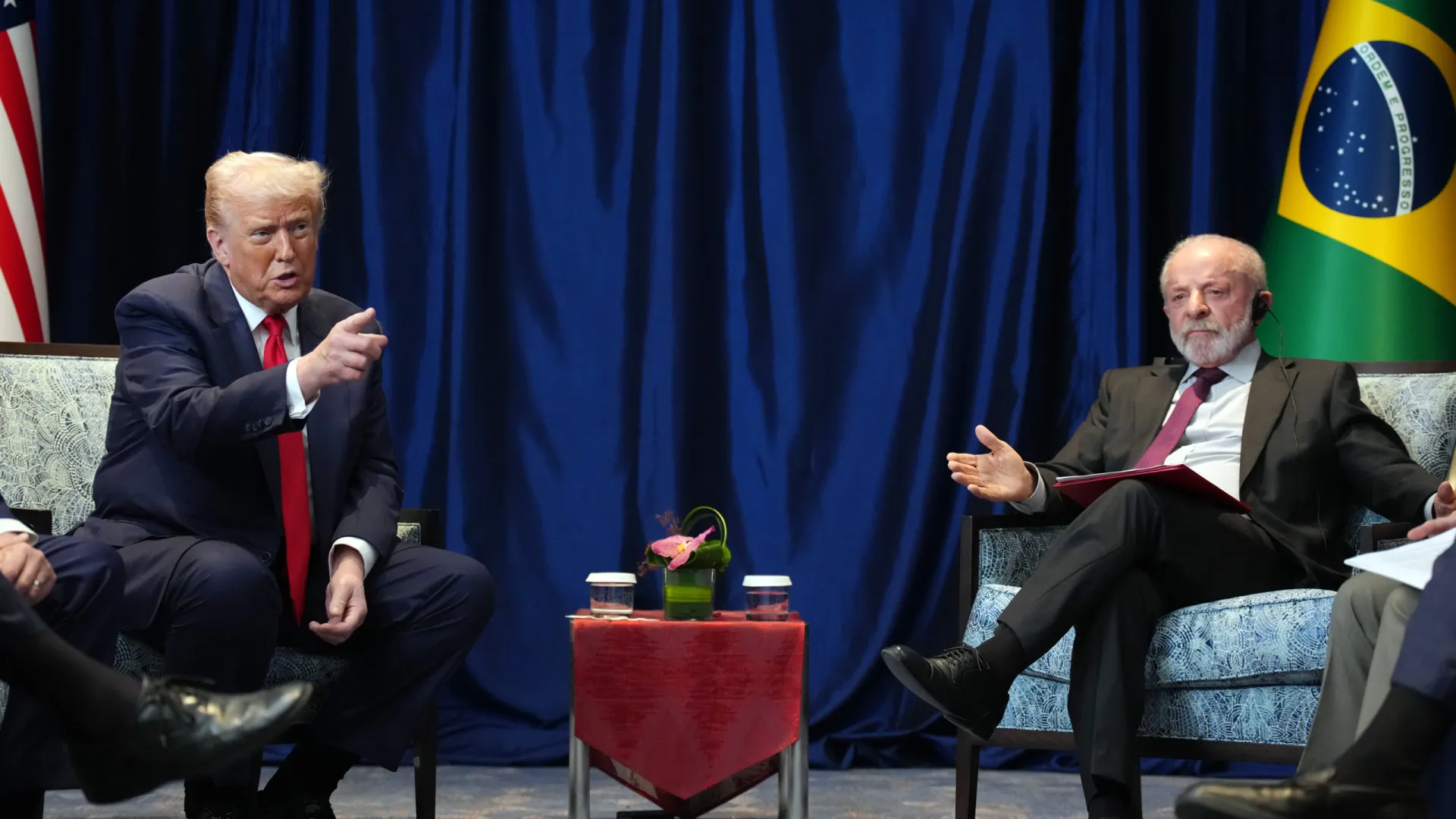
US-Brasil Extradition Deal: A Complex Dance of Crime and Diplomacy
The administration of former US President Donald Trump has been negotiating a bilateral agreement with Brazil to extradite foreign nationals and convicted felons from the United States, sparking controversy over the terms of the deal. The proposed arrangement, which has been a long-standing demand of the US government, aims to strengthen cooperation between the two countries in combating organized crime and terrorism.
Historical Context: A Long-Standing US-Brazil Relationship
The US-Brazil relationship dates back to the early 19th century, with the two nations engaging in extensive trade and diplomatic ties. In recent years, the US has increased its focus on the region, particularly in the realm of security and counter-terrorism. The proposed extradition deal is seen as a key component of this strategy, aimed at combating the spread of organized crime and terror networks across the Americas.
The Target Organizations: PCC, Comando Vermelho, Hezbollah, and Chinese Organized Crime
The US government has identified several key targets in the proposed extradition agreement, including the Brazilian gangs PCC (Primeiro Comando da Capital) and Comando Vermelho, as well as the Hezbollah terror organization and Chinese organized crime syndicates. These groups have been accused of engaging in a range of illicit activities, including narcotics trafficking, extortion, and money laundering.
Brazil’s Obligations: A Plan to Combat Organized Crime
As part of the proposed agreement, the Brazilian government is expected to submit a comprehensive plan to combat organized crime and terrorism within its borders. This plan would need to address the root causes of these issues, including poverty, inequality, and lack of access to education and economic opportunities. The plan would also require Brazil to strengthen its law enforcement agencies, improve its judicial system, and enhance its intelligence gathering capabilities.
Implications for Brazil and the Region
The proposed extradition deal has significant implications for Brazil and the wider region. If implemented, it could lead to increased cooperation between the US and Brazil in combating organized crime and terrorism, but it also raises concerns about the potential for human rights abuses and the erosion of Brazilian sovereignty. The deal could also have a broader impact on the region, potentially sparking a wave of extraditions and cooperation between countries in the Americas.
Conclusion: A Complex and Sensitive Issue
The proposed extradition deal between the US and Brazil is a complex and sensitive issue, requiring careful consideration of the potential benefits and risks. While the agreement has the potential to strengthen cooperation between the two countries in combating organized crime and terrorism, it also raises important questions about human rights, sovereignty, and the potential impact on the region. As the details of the deal continue to emerge, it is essential to engage in a nuanced and informed discussion about the implications of this agreement and its potential impact on Brazil and the wider region.