










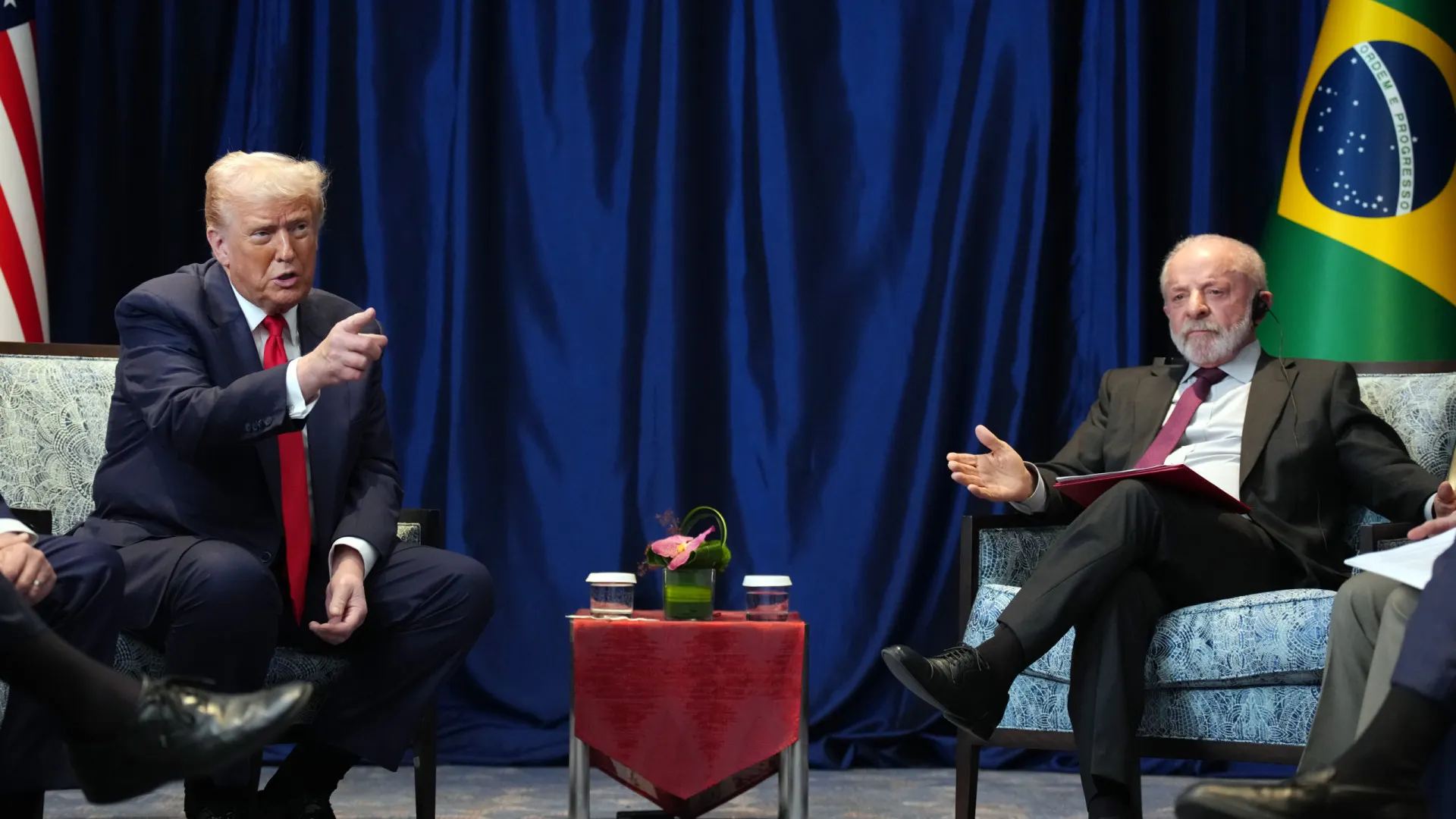
US-Brasil Relations: A Complex Dance of Cooperation and Extradition
In a recent development, the Biden administration has been in talks with the Brazilian government to extradite foreign nationals and individuals wanted in the United States, sparking concerns over the implications for human rights and the complex landscape of international cooperation in the Americas. The discussions, which have been ongoing since 2021, involve the transfer of individuals affiliated with various organized crime groups, including the Brazilian gangs Comando Vermelho (Red Command) and PCC (Primeiro Comando da Capital, or First Capital Command), as well as the Hezbollah and Chinese organized crime groups operating in Brazil.
A Longstanding Issue: US Requests for Extradition
The United States has a long history of requesting the extradition of individuals wanted for crimes committed in the US from countries across the Americas. However, the Biden administration’s current efforts to strengthen cooperation with Brazil have raised concerns about the potential consequences for human rights and the rule of law in the region. The US government has consistently argued that extradition is a vital tool in the fight against transnational organized crime, while critics have raised concerns about the potential for human rights abuses and the lack of transparency in the extradition process.
The PCC and Comando Vermelho: Brazil’s Domestic Gang Problem
The Comando Vermelho and PCC are two of the most powerful and notorious gangs operating in Brazil, responsible for a significant portion of the country’s violent crime. The gangs have been linked to a range of activities, including extortion, kidnapping, and murder, and have been known to exploit vulnerabilities in the Brazilian justice system. The US government has long been concerned about the activities of these gangs, which have been linked to international organized crime networks and have been responsible for numerous violent crimes in the United States.
Hezbollah and Chinese Organized Crime: A Growing Concern
The presence of Hezbollah and Chinese organized crime groups in Brazil has raised concerns about the potential for international terrorism and organized crime to spread throughout the region. Hezbollah, a Shia Islamist group based in Lebanon, has been linked to a range of activities, including terrorism and money laundering, while Chinese organized crime groups have been accused of involvement in human trafficking, narcotics trafficking, and other forms of organized crime.
Implications for US-Brazil Relations
The extradition efforts by the Biden administration have significant implications for US-Brazil relations, which have been strained in recent years due to a range of issues, including trade disputes and disagreements over human rights. The success of these efforts will depend on a range of factors, including the willingness of the Brazilian government to cooperate and the ability of the US government to provide sufficient evidence to support extradition requests.
A Delicate Balance: Human Rights and International Cooperation
As the US and Brazilian governments navigate the complex landscape of extradition and international cooperation, they must also balance the need to address the threat of organized crime with concerns about human rights and the rule of law. The extradition process must be transparent and subject to strict oversight to prevent abuses and ensure that individuals are not unfairly targeted. Ultimately, the success of these efforts will depend on a willingness to engage in nuanced and informed dialogue about the complex challenges facing the Americas.
In conclusion, the extradition efforts by the Biden administration represent a critical moment in the complex dance of cooperation and extradition between the US and Brazil. As the two governments navigate this delicate balance, they must prioritize transparency, human rights, and the rule of law to ensure that the fight against organized crime is effective and just.