









Fueling Financial Burden: The Soaring Cost of Gasoline Hits Alberta Small Businesses
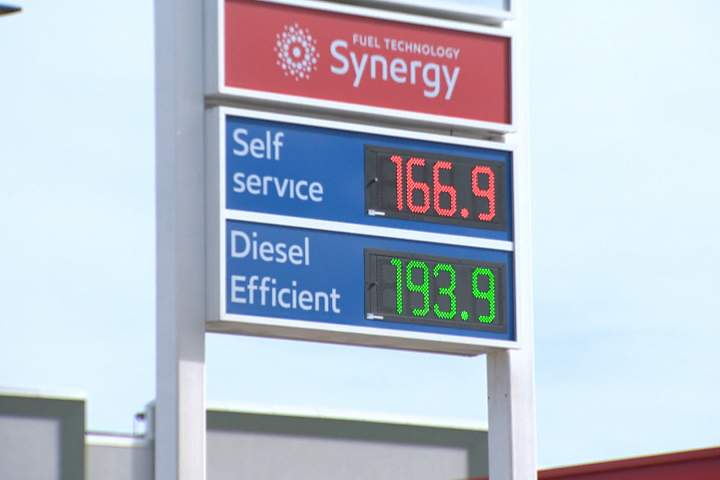
The recent surge in gasoline prices has been a hot topic of discussion among consumers, but for some Alberta small business owners, the impact is being felt directly in their bottom line. The increasing cost of fuel is not only affecting their personal finances but also the operational costs of their businesses, leaving many to wonder how they will weather the storm.
A Growing Concern for Small Businesses
As the global demand for oil continues to rise, Alberta’s small businesses are feeling the pinch. The province’s small business owners, who rely heavily on their vehicles for deliveries, transportation of goods, and employee commutes, are facing an unprecedented financial burden. According to estimates, some small business owners are already seeing an additional $500 to $1000 per month added to their expenses, a significant increase that is straining their resources.
Historical Context: The Price of Gasoline in Alberta
Alberta has long been known for its strong oil and gas industry, with the province serving as a major player in the global market. However, the recent surge in gasoline prices is not a new phenomenon. In 2008, gasoline prices skyrocketed to over $1.50 per liter, causing widespread economic disruption. The current prices, while not as high as 2008 levels, are still causing significant financial strain on Alberta’s small businesses. The ongoing conflict in Ukraine and the subsequent sanctions imposed on Russian oil exports have led to a significant increase in global demand for oil, resulting in higher prices at the pump.
The Impact on Local Economies
The rising cost of gasoline is having a ripple effect on local economies, with small businesses struggling to stay afloat. Many business owners are being forced to make difficult decisions, such as reducing employee benefits, cutting back on supplies, or even scaling back operations. This not only affects the business owners themselves but also their employees, who may face reduced hours or layoffs. The long-term consequences of these decisions could have a devastating impact on the local economy, eroding consumer confidence and reducing economic growth.
A Call to Action
As the cost of gasoline continues to rise, it is essential that policymakers take a proactive approach to mitigate the effects on Alberta’s small businesses. This could include implementing measures to reduce the financial burden on businesses, such as tax breaks or subsidies for fuel costs. Additionally, businesses and consumers must work together to find innovative solutions to reduce energy consumption and reliance on fossil fuels. By taking a collaborative approach, we can create a more sustainable and resilient economy that benefits all stakeholders.
Conclusion
The soaring cost of gasoline is a pressing concern for Alberta’s small businesses, with many facing financial strain due to increased fuel costs. As the situation continues to unfold, it is essential that policymakers, businesses, and consumers work together to find solutions that benefit all stakeholders. By taking a proactive approach, we can create a more sustainable and resilient economy that supports local businesses and drives economic growth.
Source: globalnews.ca