






Cosmic Cuisine: NASA’s Innovative Approach to Sustainable Space Food
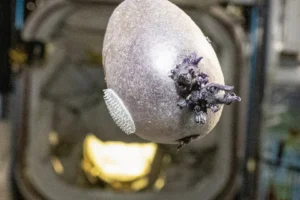
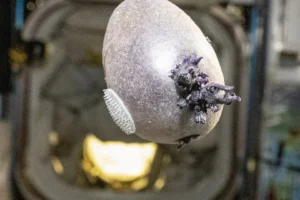
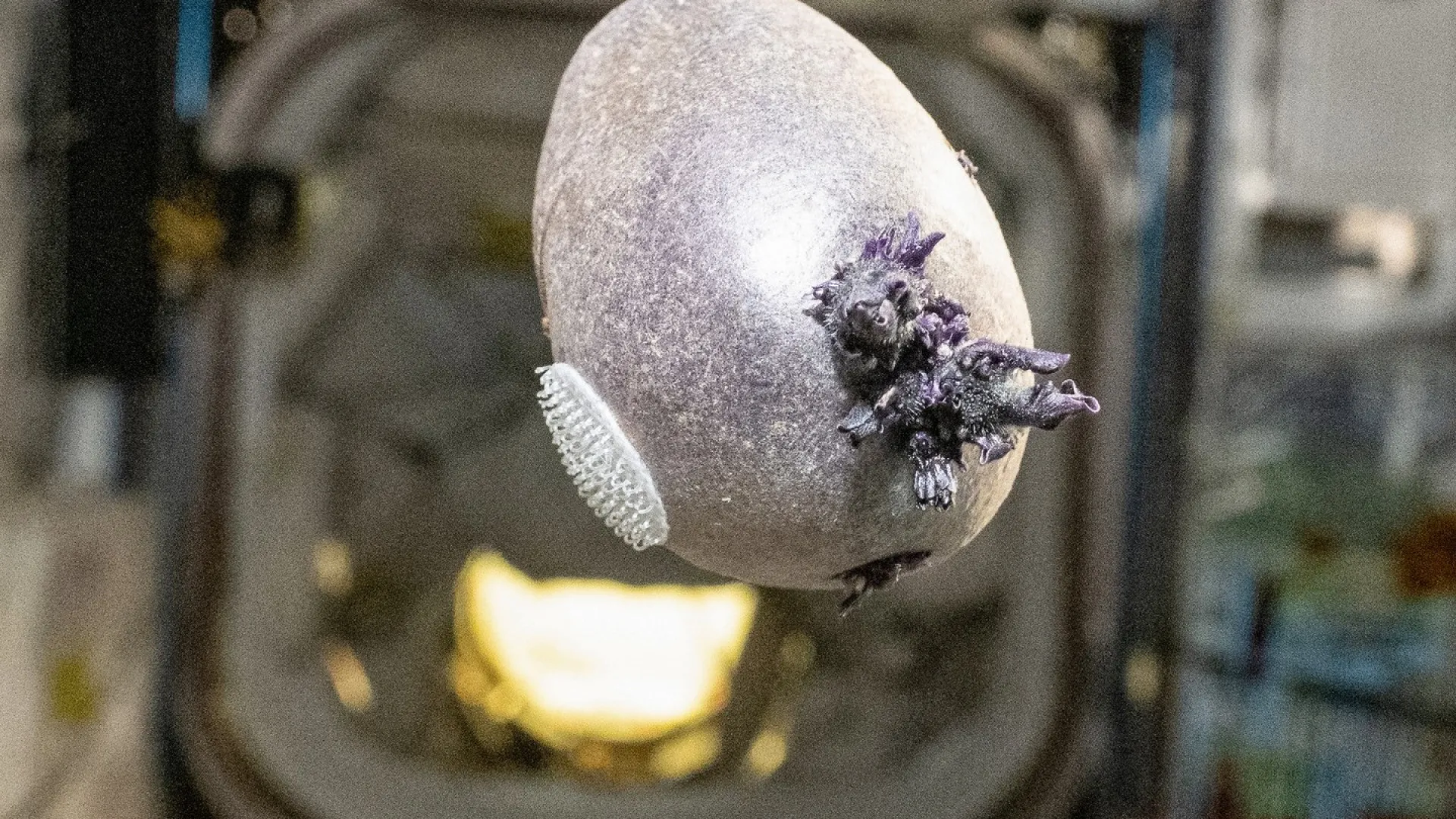
In a striking image captured on the International Space Station (ISS), a peculiar-looking dish has sparked widespread interest on social media, with many speculating about its extraterrestrial origins. However, the unexpected appearance of this space-faring meal is not a result of alien invasion, but rather a testament to the ingenuity of NASA’s culinary experts. Don Pettit, a renowned astronaut and ISS resident, shed light on the story behind this unusual dish, highlighting the potential of potatoes in future space missions.
A Taste of Earth in Space
The peculiar-looking food in question is a humble potato, boiled and served with a side of carrots. While this may seem unremarkable to those on Earth, the challenges of sustaining a long-term space mission require innovative solutions. NASA’s food scientists have been exploring ways to grow and consume foods in space, where the harsh environment and limited resources make traditional agriculture and food production impractical.
The Challenges of Space Cuisine
Growth and preservation of food in space are essential components of any sustained space mission. The lack of gravity, radiation, and limited storage capacity create significant challenges for food production and consumption. NASA’s astronauts rely on pre-packaged meals, which can become monotonous and lack essential nutrients. The agency has been investing in research and development of innovative food systems, including hydroponics, aeroponics, and even 3D-printed food.
The Humble Potato: A Key to Sustainable Space Food
Don Pettit’s photo highlights the potential of potatoes as a sustainable source of food in space. Potatoes are an excellent choice due to their:
1. **Nutritional value**: Potatoes are rich in complex carbohydrates, fiber, and essential vitamins and minerals.
2. **Easy to grow**: Potatoes can be grown in controlled environments, such as hydroponic or aeroponic systems, with minimal resources.
3. **Long shelf life**: Potatoes can be stored for extended periods, reducing the need for frequent resupply missions.
4. **Low resource requirements**: Potatoes require minimal water, land, and energy to produce, making them an attractive option for sustainable space food.
Conclusion
The image of the peculiar-looking potato on the ISS serves as a reminder of the importance of innovation in space exploration. As NASA pushes the boundaries of space travel, the need for sustainable food systems becomes increasingly crucial. The humble potato, with its nutritional value, ease of growth, and long shelf life, emerges as a key player in the development of future space cuisine. As we continue to explore the vastness of space, it is essential to prioritize sustainable practices and innovative solutions that will ensure the health and well-being of astronauts on long-duration missions.
Future Implications
The success of potato cultivation in space has far-reaching implications for future space missions. As NASA and other space agencies continue to develop sustainable food systems, the potential for long-term space habitation and even human settlements on Mars and beyond becomes more feasible. The story of the peculiar-looking potato on the ISS is a testament to the power of innovation and the importance of exploring new frontiers in space exploration.
Source: Notícias ao Minuto Brasil – Tech