










Historic Artemis II Mission: Smartphones and Cameras Allowed Aboard, Solar Eclipse Awaits
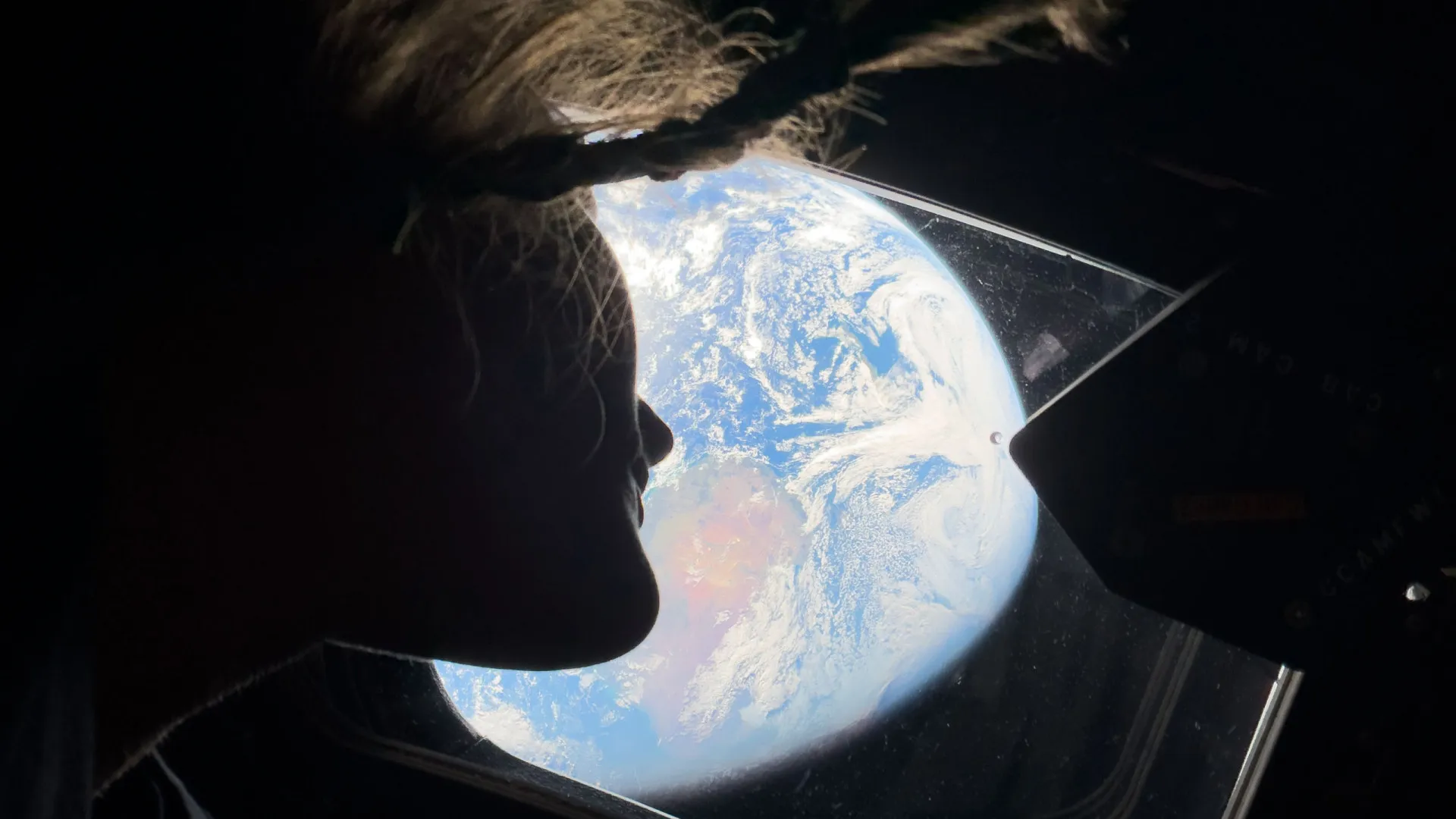
The highly anticipated Artemis II mission has taken a significant step forward, as NASA recently announced that the astronauts on board will be allowed to use their smartphones and take photos within the Orion spacecraft. This decision marks a significant departure from past space missions, where the use of electronic devices was strictly limited to prevent potential interference with the spacecraft’s systems.
A New Era for Space Travel: Smartphones and Cameras on Board
The Artemis II mission, set to launch in the coming months, will see three astronauts embark on a lunar flyby, marking a crucial step in NASA’s ambitious plans to return humans to the Moon by 2025. With the introduction of smartphones and cameras on board, the crew will have the unprecedented opportunity to capture high-quality photos and videos of the spacecraft and its surroundings, providing valuable insights into the mission’s progress and the crew’s experiences.
This decision is a reflection of the rapidly evolving nature of space technology and the increasing emphasis on crew safety and comfort during long-duration space missions. By allowing the use of smartphones and cameras, NASA aims to provide the crew with a sense of familiarity and normalcy, while also collecting valuable data on the effects of space travel on the human body.
A Solar Eclipse in Space: A Rare and Historic Event
One of the most exciting aspects of the Artemis II mission is the planned lunar flyby, which will see the spacecraft pass on the far side of the Moon, a region that has been largely unexplored by humans. During this maneuver, the crew will witness a rare celestial event: a solar eclipse. As the Moon’s shadow falls on the Earth, the astronauts will observe the lunar transit, a phenomenon that is only visible from space.
This event is a testament to the mission’s groundbreaking nature and the incredible opportunities it presents for scientific discovery and exploration. The Artemis II mission is a pivotal moment in the history of space travel, marking a new era of collaboration and innovation between NASA and its international partners.
Implications and Future Directions
The success of the Artemis II mission will have far-reaching implications for future space exploration, paving the way for more ambitious and complex missions. The use of smartphones and cameras on board will provide valuable insights into the effects of space travel on the human body and the importance of crew comfort and safety.
As NASA continues to push the boundaries of space exploration, the Artemis II mission stands as a testament to human ingenuity and determination. With its historic solar eclipse and the unprecedented use of smartphones and cameras, this mission is poised to make significant contributions to our understanding of the universe and our place within it.
Conclusion
The Artemis II mission is a groundbreaking step towards a new era of space exploration, marking a significant departure from past space missions. With the introduction of smartphones and cameras on board, the crew will have the unprecedented opportunity to capture high-quality photos and videos of the spacecraft and its surroundings, providing valuable insights into the mission’s progress and the crew’s experiences. As we look to the future, the success of this mission will pave the way for more ambitious and complex missions, cementing humanity’s place in the cosmos.
Source: Notícias ao Minuto Brasil – Tech