









Climate Change Impacts Communities in British Columbia’s Coastal Region
A recent statement from the provincial government highlights the growing concerns of climate change in communities along the coast of British Columbia, particularly in Metro Vancouver, Greater Victoria, east Vancouver Island, and the Southern Gulf Islands. The region’s vulnerability to rising sea levels, increased storm intensity, and changing weather patterns has become a pressing issue that requires immediate attention and action.
Understanding the Impacts of Climate Change
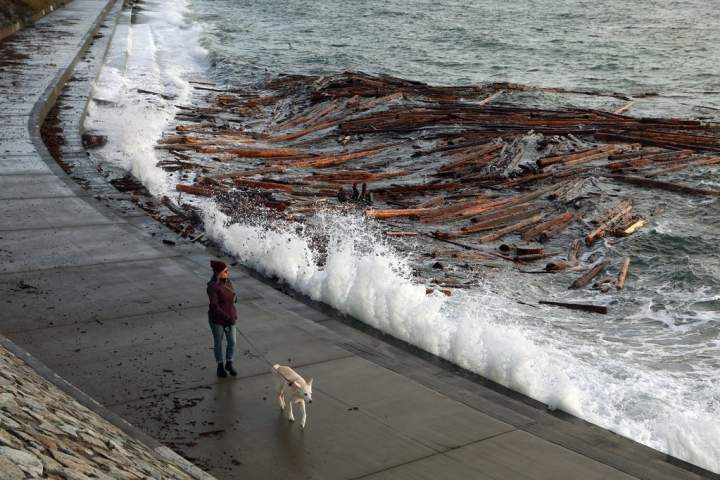
Climate change is not a new phenomenon, but its effects have become more pronounced in recent years. The province’s coastal regions are among the most susceptible to the impacts of climate change, which include rising sea levels, more frequent and intense storms, and changing weather patterns. These changes can lead to coastal erosion, flooding, and saltwater intrusion into freshwater sources, posing significant threats to the environment, economy, and human settlements.
Historical Context: The Province’s Climate Change Initiatives
In 2019, the provincial government launched the “CleanBC: Pathway to a Low-Carbon Economy” plan, which aims to reduce greenhouse gas emissions and transition the province to a low-carbon economy. The plan includes a range of initiatives, such as increasing the use of renewable energy, improving energy efficiency, and promoting sustainable land use practices. However, the plan’s effectiveness in mitigating the impacts of climate change in the coastal regions remains to be seen.
Community Resilience and Adaptation
In addition to government initiatives, community resilience and adaptation play a crucial role in mitigating the impacts of climate change. Local residents, businesses, and organizations are taking proactive steps to prepare for and respond to climate-related events, such as sea level rise and extreme weather events. For example, some communities are implementing flood protection measures, such as seawalls and dunes, while others are developing early warning systems and emergency response plans.
A Call to Action
As the provincial government continues to address the impacts of climate change, it is essential to involve local communities in the decision-making process. Their unique knowledge and experiences can inform policy and planning decisions, ensuring that initiatives are effective and responsive to their needs. Furthermore, the province must prioritize climate change mitigation and adaptation measures, such as investing in renewable energy, improving energy efficiency, and promoting sustainable land use practices. Only through collective action can we build a more resilient and sustainable future for the coastal communities of British Columbia.
In conclusion, the impacts of climate change in British Columbia’s coastal regions are a pressing concern that requires immediate attention and action. By understanding the historical context of the province’s climate change initiatives, promoting community resilience and adaptation, and taking a collective approach, we can mitigate the effects of climate change and build a more sustainable future for the region.
Source: globalnews.ca