









Cosmic Encounters: A Growing Threat to Earth
As the universe continues to expand, our planet is increasingly vulnerable to the passage of extraterrestrial objects. The growing threat of celestial bodies colliding with Earth is a pressing issue that demands attention and preparedness from the scientific community, policymakers, and the general public.
A Historical Context of Cosmic Impacts
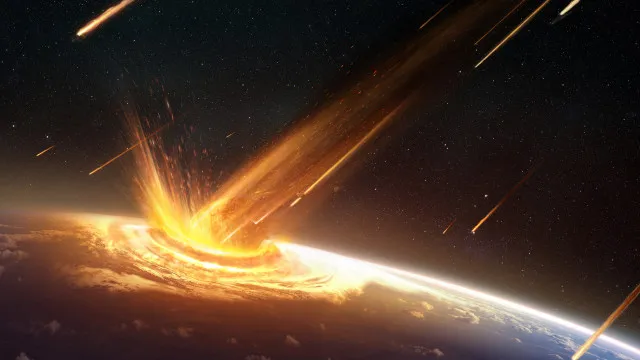
For centuries, the Earth has been bombarded by asteroids, comets, and other celestial objects. One of the most significant events in human history is the Chicxulub asteroid impact, which occurred around 66 million years ago and is believed to have led to the extinction of the dinosaurs. More recently, the Chelyabinsk meteor, which exploded over Russia in 2013, injured over 1,000 people and damaged thousands of buildings. These events serve as a reminder of the potential dangers posed by cosmic objects and the importance of monitoring and mitigating their impact.
Current Threats and Risks
NASA and other space agencies around the world have been tracking near-Earth objects (NEOs) for decades. According to recent data, there are over 20,000 known NEOs, with approximately 1,900 of them classified as potentially hazardous. Some of these objects, such as asteroids and comets, are remnants from the early days of the solar system, while others may be fragments of larger bodies that have broken apart. The risk of a large NEO impacting Earth is difficult to predict, but scientists estimate that the likelihood of a catastrophic event occurring in the next century is relatively low.
Enhanced Detection and Response Efforts
In response to the growing threat of NEOs, NASA and the European Space Agency (ESA) have launched initiatives to improve detection and response efforts. The Near-Earth Object Surveyor (NEOS) mission, scheduled to launch in the mid-2020s, will provide detailed maps of the NEO population and improve the precision of tracking and prediction. Additionally, the Planetary Defense Coordination Office (PDCO) has been established to coordinate international efforts and develop strategies for mitigating the impact of NEOs.
Preparedness and International Cooperation
As the threat of NEOs continues to grow, it is essential that countries work together to develop effective detection and response strategies. The United Nations has established the Committee on the Peaceful Uses of Outer Space (COPUOS) to promote international cooperation on space-related issues, including NEO mitigation. By sharing data, expertise, and resources, countries can enhance their ability to detect and respond to NEO threats, ultimately protecting human life and minimizing the impact of cosmic events.
Conclusion
The threat of celestial bodies colliding with Earth is a pressing concern that requires attention, cooperation, and preparedness. By understanding the historical context of cosmic impacts, recognizing current threats and risks, and enhancing detection and response efforts, we can mitigate the effects of NEOs and protect our planet. As we continue to explore the universe, it is essential that we prioritize the safety and well-being of our planet and its inhabitants.
Source: Notícias ao Minuto Brasil – Tech