









Bolsonaro Ally’s Event Turns into a Platform for Scathing Criticism of the Far-Right Government
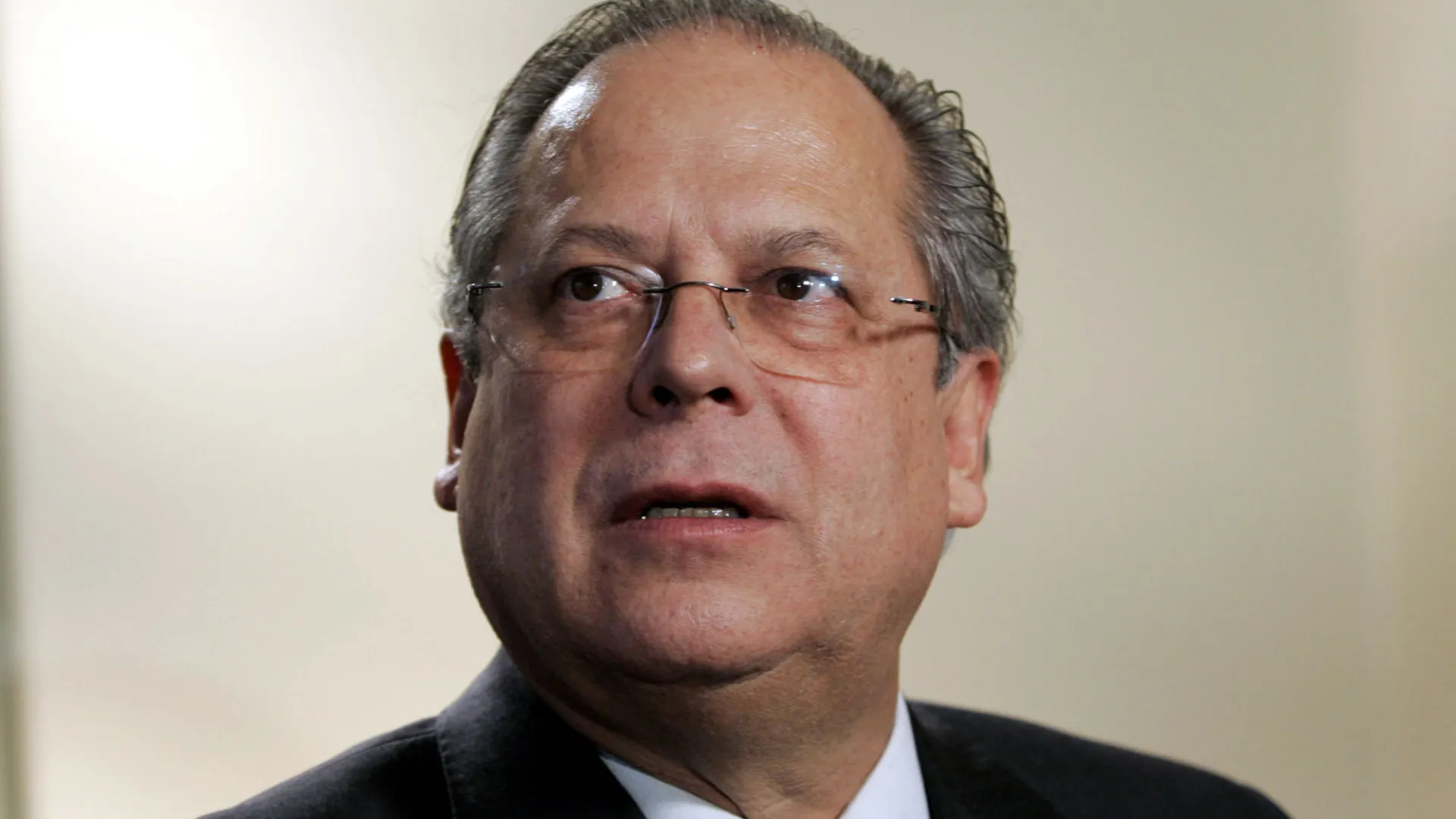
In a recent gathering that drew the attendance of several high-ranking government officials, allies, and prominent figures from the Centrão faction, a former minister took the stage to express his scathing disapproval of Flávio Bolsonaro, President Bolsonaro’s son and a key figure in the far-right administration. The event, which took on the tone of a high-stakes debate, saw the former minister defending the presidential candidate of the Workers’ Party, Luiz Inácio Lula da Silva, while warning that the upcoming elections would be marked by intense political confrontation and heated discussions on national sovereignty, corruption, and the country’s economic trajectory.
A Glimpse into the Divided Brazilian Politics
Brazil’s electoral landscape has been increasingly polarized in recent years, with the far-right government of President Bolsonaro facing growing opposition from various segments of society. The government’s policies, particularly in the areas of environmental protection, social welfare, and economic development, have been at the center of intense debate and controversy. The former minister’s bold criticisms of Flávio Bolsonaro and his support for Lula’s candidacy underscore the deep divisions within Brazil’s politics and the country’s struggle to navigate its complex social, economic, and environmental challenges.
Historical Context: The Rise of the Centrão Faction
The Centrão, a loose coalition of politicians from various parties, has played a significant role in shaping Brazil’s politics over the years. The faction’s emergence in the 1990s was marked by its pragmatism and ability to form alliances across party lines. However, its increasing influence has also been accompanied by concerns about corruption, clientelism, and the erosion of democratic norms. The former minister’s comments on the Centrão’s role in Brazilian politics suggest that the faction’s influence may continue to be felt in the upcoming elections, potentially shaping the country’s future trajectory.
Economic and Social Consequences
Brazil’s economic and social landscape has been marked by significant challenges in recent years, including high unemployment rates, rising poverty levels, and growing income inequality. The government’s policies, such as the pension reform and tax cuts for large corporations, have been criticized for exacerbating these issues. The former minister’s emphasis on the need for a more inclusive and equitable economic model highlights the need for a more comprehensive and sustainable approach to addressing Brazil’s social and economic challenges.
The Road Ahead: A Confrontational Election
As Brazil prepares for its high-stakes elections, the country’s politicians and citizens face a daunting task: navigating the complex web of alliances, ideologies, and interests that will shape the country’s future. The former minister’s warnings about the confrontational nature of the election and the need for a more inclusive and equitable economic model serve as a reminder of the importance of critically examining the role of politics in shaping Brazil’s social, economic, and environmental destiny.
In conclusion, the recent gathering of politicians and allies from the Centrão faction has shed light on the deep divisions within Brazil’s politics and the country’s struggle to navigate its complex social, economic, and environmental challenges. As the country prepares for its high-stakes elections, it is essential to critically examine the role of politics in shaping Brazil’s future and to prioritize the needs and aspirations of its citizens.