



UN Rights Concerns: Geneva Diplomat Criticizes Use of Lethal Force Against Peaceful Protests
The United Nations has expressed deep concern over the use of lethal force against peaceful protesters, arbitrary arrests, and reports of children being targeted in various regions. The diplomat’s statement came as part of a broader discussion on human rights and the role of the international community in promoting and protecting these fundamental rights.
Internet Blockages and Freedom of Expression
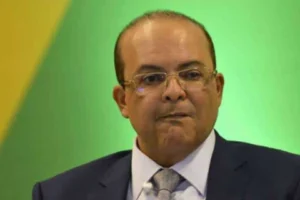
In a statement, Tovar da Silva Nunes, the Brazilian Ambassador to the United Nations in Geneva, highlighted the need to safeguard the right to freedom of expression and access to information. “We strongly condemn the use of lethal force against peaceful protesters and are worried about reports of arbitrary arrests and children being targeted,” Nunes said. The diplomat also pointed out that internet blockages violate the right to freedom of expression, which includes access to information.
Historical Context: Internet Censorship and Human Rights
The concerns raised by Ambassador Nunes are not new. Internet censorship has long been a contentious issue, particularly in regions where governments have been accused of suppressing dissenting voices and limiting freedom of expression. This phenomenon is not unique to the 21st century; historical examples, such as the Chinese Communist Party’s Great Firewall of China, have demonstrated how governments can use internet censorship to exert control over their populations.
UN Efforts to Promote Human Rights
The United Nations has been at the forefront of efforts to promote and protect human rights globally. The organization has established various mechanisms to monitor human rights abuses, including the Human Rights Council, which is responsible for promoting and protecting human rights worldwide. The UN has also been involved in efforts to strengthen freedom of expression, including the adoption of the Universal Declaration of Human Rights in 1948, which enshrines the right to freedom of expression.
Future Implications: The Role of Diplomats in Promoting Human Rights
Ambassador Nunes’s statement serves as a reminder of the critical role that diplomats play in promoting and protecting human rights globally. Diplomats like Nunes, who are stationed in Geneva, have a unique opportunity to engage with international organizations and advocate for human rights. Their statements and actions can have far-reaching implications, influencing the policies and decisions made by governments and international organizations.
In conclusion, the concerns raised by Ambassador Nunes highlight the ongoing challenges faced by the international community in promoting and protecting human rights. As the world grapples with the complexities of internet censorship, arbitrary arrests, and targeted violence against peaceful protesters, it is crucial that diplomats and international organizations continue to advocate for the fundamental rights enshrined in the Universal Declaration of Human Rights.
**Keywords:** Human rights, internet censorship, freedom of expression, peaceful protests, arbitrary arrests, children’s rights, United Nations, Geneva, diplomats, international organizations.