








Voting Accessibility: A Growing Concern for Individuals with Disabilities
As the world grapples with the complexities of democratic participation, a pressing issue has emerged – ensuring equal access to the ballot box for individuals with disabilities. According to statistics from the Brazilian Supreme Electoral Court (TSE), approximately 1.45 million voters with some form of disability or difficulty exercising their right to vote are currently registered. This figure represents about 1% of the total eligible electorate, which stands at 155,912,680 people.
A Long-Standing Challenge
The struggle for accessible voting has been ongoing for decades, with various countries implementing measures to bridge the gap. In the United States, for instance, the Help America Vote Act of 2002 mandated that polling places provide accessible voting equipment, including audio ballots, for voters with disabilities. Similarly, in Canada, the Canada Elections Act requires that all polling stations be wheelchair accessible.
Brazil’s Efforts
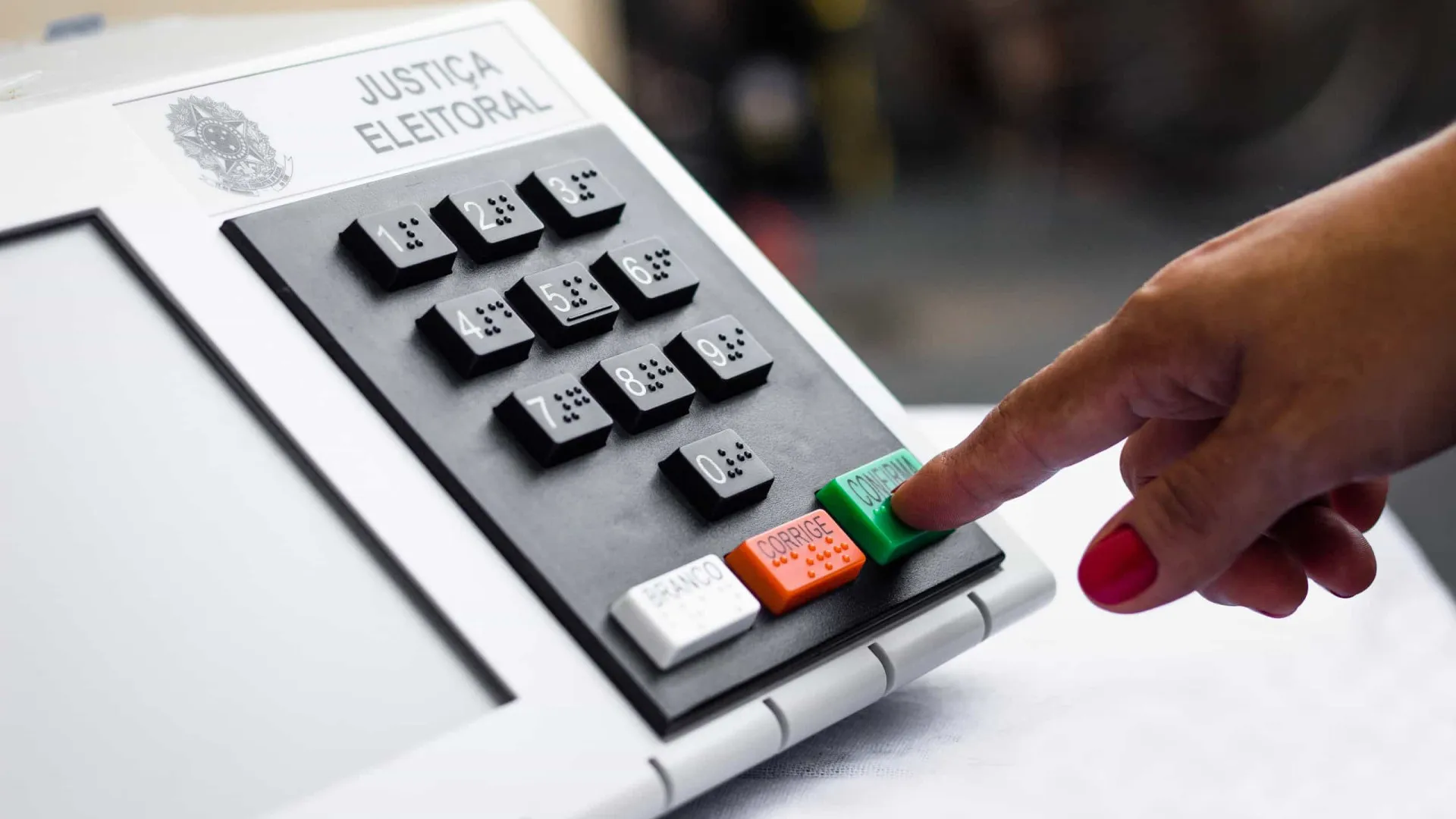
In Brazil, the government has taken steps to address the issue. The country’s electoral code requires that polling stations be accessible to voters with disabilities. However, the TSE’s statistics suggest that more needs to be done to ensure that these facilities are truly inclusive. For instance, many polling stations lack Braille signage or audio ballots, making it difficult for visually impaired voters to participate.
The Human Impact
The consequences of inaccessible voting go beyond just numbers. Individuals with disabilities often face significant barriers to participation, which can lead to feelings of disenfranchisement and exclusion from the democratic process. This can have far-reaching implications, including reduced civic engagement, lower voter turnout, and a lack of representation in government.
Moving Forward
As the global community continues to push for greater inclusivity and accessibility, it is essential that voting systems are designed with the needs of individuals with disabilities in mind. This may involve investing in technology, such as electronic voting machines and audio ballots, as well as ensuring that polling stations are physically accessible. By taking these steps, we can work towards a more equitable and representative democracy, where every citizen has the opportunity to participate and have their voice heard.
Conclusion
The issue of voting accessibility for individuals with disabilities is a pressing concern that requires immediate attention. By understanding the complexities of this issue and the efforts being made to address it, we can work towards a more inclusive and representative democracy. As we move forward, it is essential that we prioritize the needs of marginalized communities and strive to create a more equitable voting system for all.