










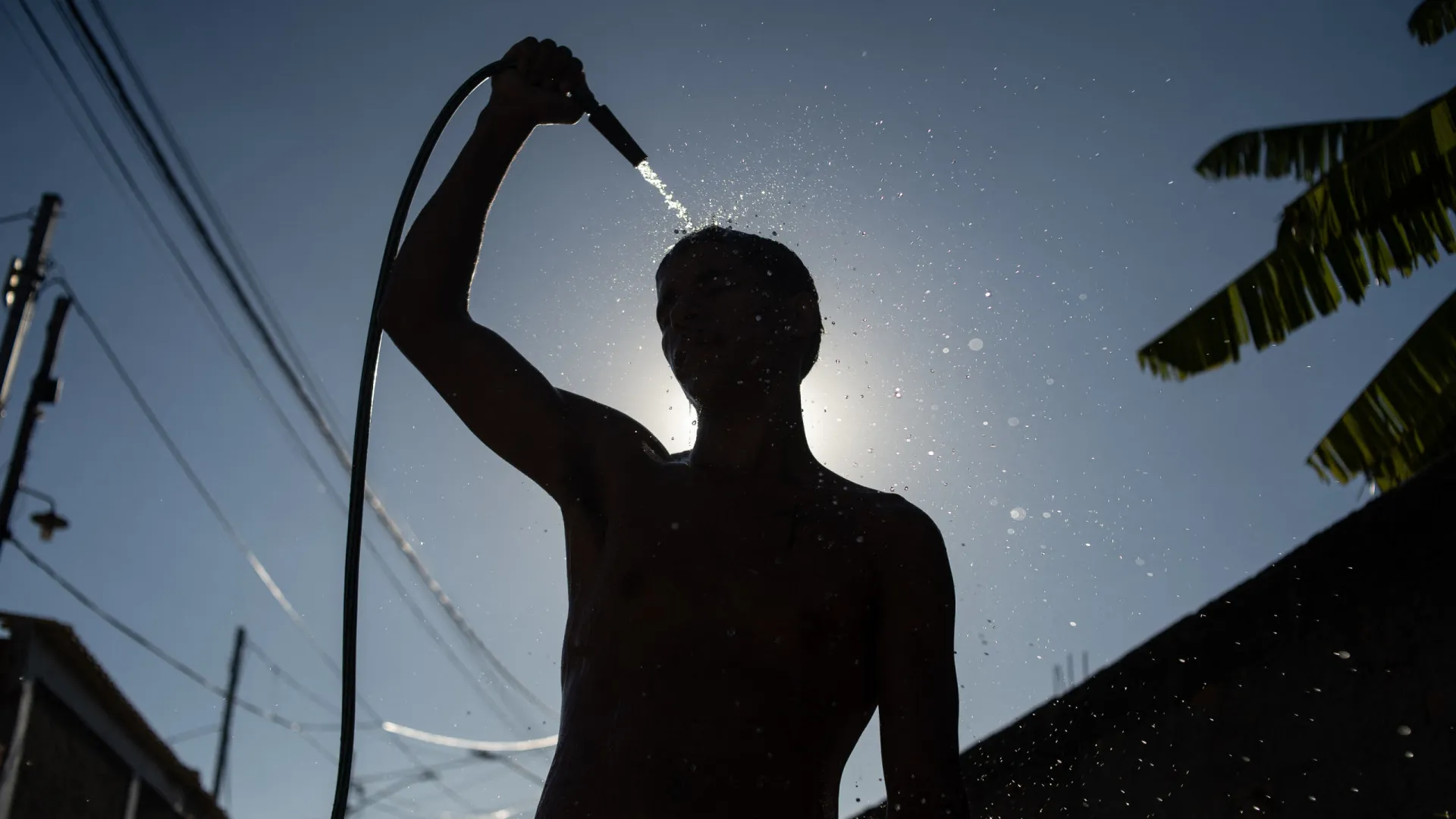
Record-Breaking Heatwave to Hit Southern Brazil
A severe heatwave is expected to engulf the southern states of Rio Grande do Sul, Santa Catarina, and Paraná in Brazil this week, with temperatures soaring above 30°C (86°F) according to the National Meteorological Institute (Inmet). This extreme weather phenomenon is set to become a regular occurrence in the region, with consistent cold temperatures only predicted to return in May.
Understanding the Heatwave
The prolonged period of hot weather in southern Brazil can be attributed to the country’s climate patterns. Brazil is a tropical country with a diverse climate, ranging from the Amazon rainforest to the subtropical regions in the south. The heatwave can be linked to the El Niño-Southern Oscillation (ENSO), a natural climate phenomenon that affects global temperatures and precipitation patterns. During an El Niño event, temperatures tend to be higher than usual in the southern hemisphere, leading to heatwaves in regions like southern Brazil.
Historical Context
This heatwave is not an isolated incident in southern Brazil. The region has experienced several heatwaves in recent years, with temperatures reaching as high as 38°C (100°F) in some areas. In 2020, a severe heatwave affected the states of Rio Grande do Sul and Santa Catarina, resulting in power outages, water shortages, and increased mortality rates. The heatwave also had a significant impact on agriculture, with crops suffering from the extreme temperatures and drought conditions.
Implications for Agriculture and Human Health
The heatwave is expected to have significant implications for agriculture in southern Brazil. Crops such as soybeans, corn, and sugarcane are sensitive to high temperatures and drought conditions, which can lead to reduced yields and crop failure. Additionally, the heatwave can exacerbate air pollution, particularly in urban areas, where temperatures can rise even higher due to the urban heat island effect.
The heatwave also poses a significant risk to human health, particularly for vulnerable populations such as the elderly, children, and those with pre-existing medical conditions. Heat-related illnesses, such as heat exhaustion and heat stroke, can be life-threatening if left untreated. It is essential for residents in the affected areas to take precautions, such as staying hydrated, avoiding strenuous activities during the hottest part of the day, and seeking medical attention if symptoms persist.
Preparing for the Heatwave
To mitigate the effects of the heatwave, residents in southern Brazil are advised to take necessary precautions. The Inmet has issued a heatwave warning, urging residents to stay informed about the weather forecast and take steps to protect themselves from the heat. Residents are advised to stay hydrated by drinking plenty of water, seek shade during the hottest part of the day, and avoid strenuous activities.
Conclusion
The record-breaking heatwave expected to hit southern Brazil this week is a stark reminder of the country’s vulnerability to extreme weather events. As the effects of climate change become more pronounced, it is essential for residents, policymakers, and scientists to work together to mitigate the impacts of heatwaves and other extreme weather events. By staying informed and taking necessary precautions, residents in southern Brazil can minimize the risks associated with the heatwave and ensure a safe and healthy environment for all.