










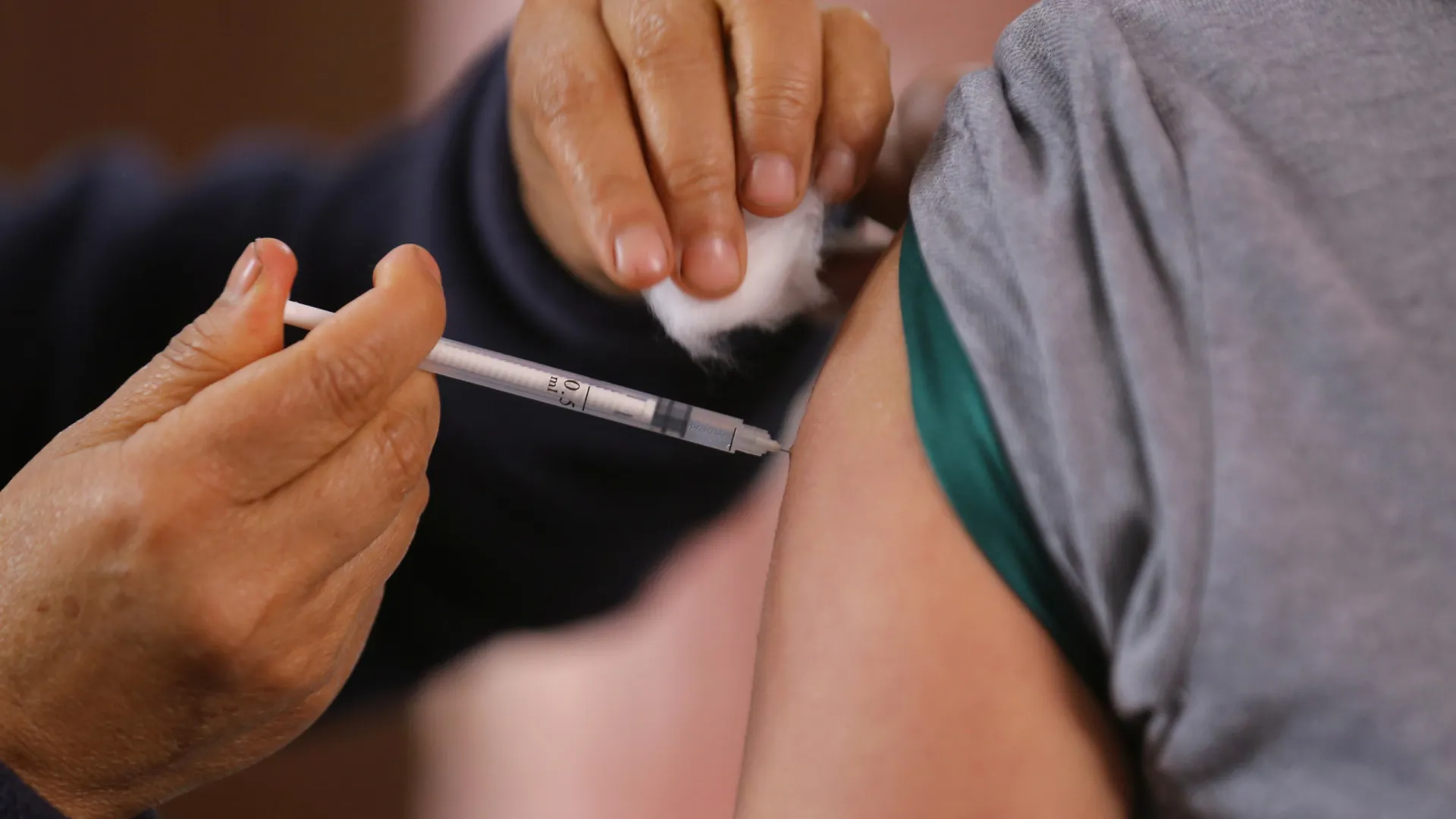
Vaccine Campaign Targets Priority Groups in Efforts to Meet 90% Adherence Rate
In a push to improve vaccination rates, the Brazilian government has announced an immunization campaign targeting priority groups, including children, the elderly, and pregnant women. The campaign, which will run until May 30th, aims to achieve a 90% adherence rate, a goal that was not met in the previous year.
Historical Context and Challenges
Brazil has faced significant challenges in achieving high vaccination rates, particularly in recent years. According to the World Health Organization (WHO), Brazil has one of the lowest vaccination rates in the region, with an estimated 70% of the population fully vaccinated against measles, mumps, and rubella (MMR). This has led to a range of health issues, including outbreaks of vaccine-preventable diseases.
The current campaign targets priority groups due to their increased vulnerability to vaccine-preventable diseases. Children, for example, are more susceptible to infections and have weaker immune systems, making them more vulnerable to serious complications from diseases such as measles and whooping cough. Similarly, the elderly are more likely to experience severe health consequences from vaccine-preventable diseases, and pregnant women are at risk of serious health complications if they contract diseases such as flu or whooping cough.
Previous Year’s Outcomes and Future Implications
In 2022, the Brazilian government set a target of achieving a 90% adherence rate for the vaccination campaign, but ultimately fell short, with an estimated 75% of the target population fully vaccinated. The failure to meet this target has raised concerns about the potential for vaccine-preventable disease outbreaks and the impact on public health.
The current campaign aims to address these challenges by increasing awareness and access to vaccination services. The campaign will be implemented in partnership with healthcare providers, community organizations, and government agencies, with a focus on reaching underserved populations and addressing health disparities.
Key Highlights of the Campaign
The vaccination campaign will target the following priority groups:
* Children under the age of 18
* Pregnant women
* Elderly individuals (65 years and older)
The campaign will offer a range of vaccinations, including:
* MMR (measles, mumps, and rubella)
* Whooping cough (pertussis)
* Flu (influenza)
* Tetanus, diphtheria, and pertussis (Tdap)
Conclusion
The Brazilian government’s vaccination campaign aims to improve vaccination rates and protect vulnerable populations from vaccine-preventable diseases. By targeting priority groups and increasing awareness and access to vaccination services, the campaign has the potential to achieve significant public health gains. However, the success of the campaign will depend on the level of community engagement and participation, as well as the ability of healthcare providers to deliver effective vaccination services. With a focus on reaching underserved populations and addressing health disparities, the campaign has the potential to make a lasting impact on public health in Brazil.