










Brazilian Labor Reform Takes a Significant Turn: Emphasis on Employee Health and Wellness
In a groundbreaking move, the Brazilian government has introduced a new labor regulation that expands workers’ rights by ensuring paid leave for preventive medical check-ups and mandating companies to inform and educate employees about vaccination and disease prevention. This development marks a significant shift in the country’s labor laws, prioritizing employee health and wellness.
As of late, Brazil has been experiencing an increase in the number of workers taking time off for medical check-ups, leading to concerns about the impact on productivity and economic growth. In response, the government has implemented this new regulation to strike a balance between employee needs and business requirements.
Paid Leave for Preventive Medical Check-Ups
The new regulation, which has been hailed as a major victory for workers, guarantees paid leave for employees who require medical check-ups. This provision aims to reduce the financial burden on workers who often face the daunting task of taking unpaid leave to attend to their health. By providing a safety net for employees, the government hopes to promote a healthier workforce and reduce the likelihood of absenteeism.
Vaccination and Disease Prevention Education
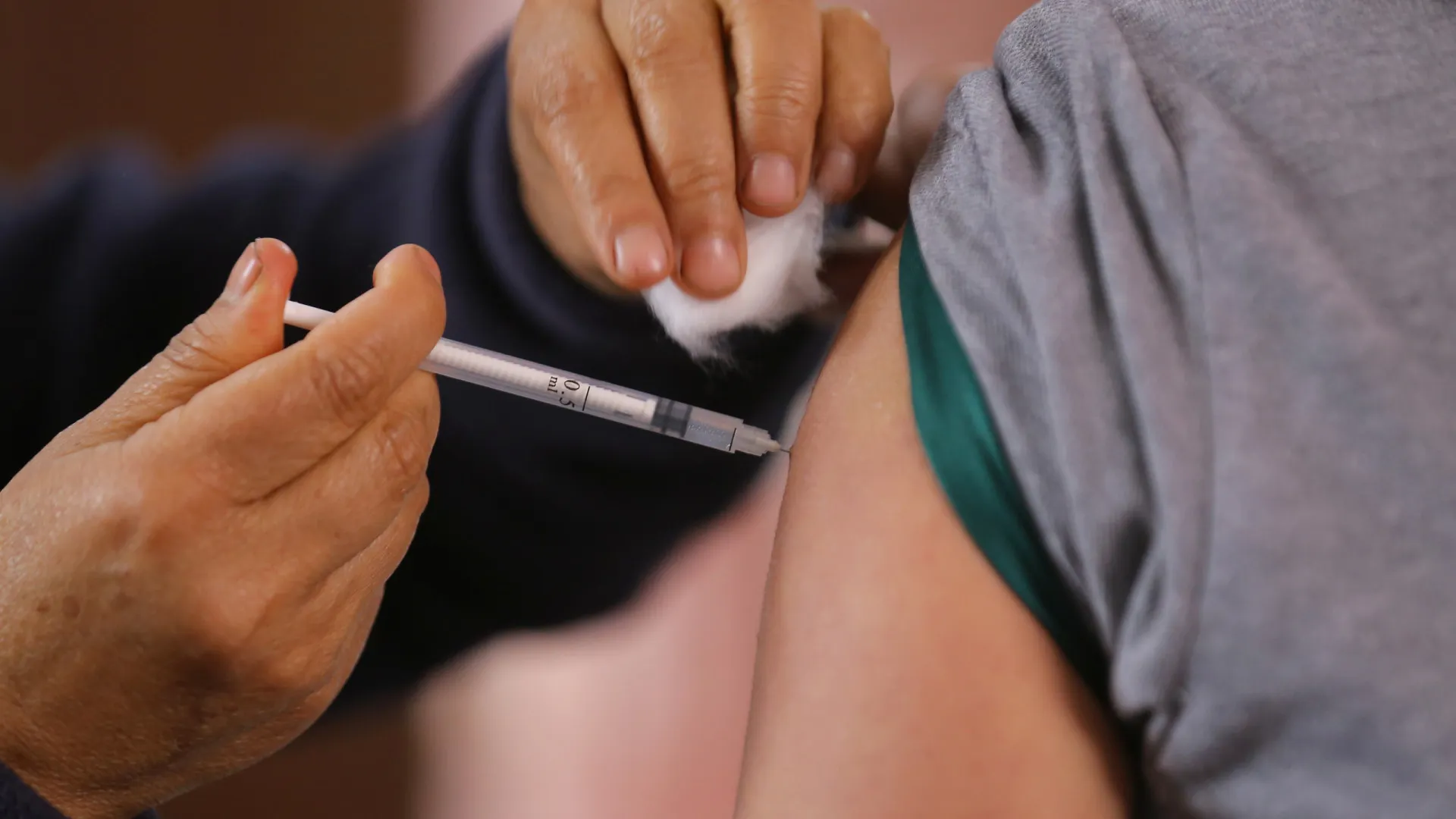
The new regulation also places a renewed emphasis on vaccination and disease prevention education. Companies are now required to inform and educate employees about the importance of vaccination and disease prevention. This initiative is expected to not only promote a healthier workforce but also reduce the spread of diseases in the workplace.
Historical Context and Future Implications
Brazil’s labor laws have undergone significant changes in recent years, with a focus on promoting greater rights and protections for workers. This new regulation is a testament to the government’s commitment to prioritizing employee health and wellness. As the Brazilian economy continues to grow, this regulation is expected to have a positive impact on productivity and economic growth.
In the long term, this regulation may set a precedent for other countries to follow. As the global economy becomes increasingly interconnected, the importance of prioritizing employee health and wellness cannot be overstated. By providing a healthier and more informed workforce, companies can reap numerous benefits, including increased productivity, reduced absenteeism, and improved employee morale.
Conclusion
In conclusion, Brazil’s new labor regulation is a significant step forward in prioritizing employee health and wellness. By guaranteeing paid leave for preventive medical check-ups and mandating companies to inform and educate employees about vaccination and disease prevention, the government has demonstrated its commitment to promoting a healthier workforce. As the Brazilian economy continues to grow, this regulation is expected to have a positive impact on productivity and economic growth, and may set a precedent for other countries to follow.