









Brazilian Officials Face Backlash Over Deadly Floods in Minas Gerais
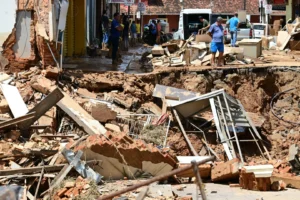
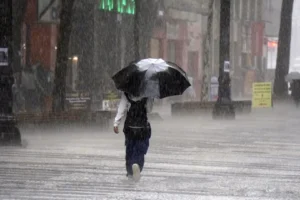
Heavy rainfall has ravaged several cities in the Brazilian state of Minas Gerais, leaving a trail of destruction and claiming the lives of dozens of people. The devastating floods have sparked widespread criticism of the state’s governor and a local deputy, with many taking to social media to express their outrage and demand accountability.
A History of Flooding in Minas Gerais
Minas Gerais is no stranger to flooding, which has become an increasingly common occurrence in the state due to deforestation, infrastructure failures, and climate change. The region’s geography, with its winding rivers and steep mountains, makes it particularly prone to flash flooding. In recent years, the state has experienced several major flooding events, including a 2010 disaster that saw over 900 people killed and thousands more displaced.
Criticism of Officials
The current crisis has put a spotlight on the state’s governor and a local deputy, who have been accused of being ill-prepared to handle the disaster. Critics argue that the officials were slow to respond to warnings of heavy rainfall and failed to implement adequate measures to mitigate the damage. Social media has been filled with angry posts and hashtags, with many calling for the officials’ resignation.
Environmental Factors
Environmentalists have pointed to the state’s deforestation policies as a major contributor to the flooding. The clearing of forests has led to soil erosion and increased the risk of landslides, making the region more vulnerable to flooding. Climate change has also played a role, with rising temperatures and changing precipitation patterns contributing to the severity of the floods.
International Response
The international community has offered support to Brazil in the wake of the disaster. The United Nations has pledged aid to help with relief efforts, while neighboring countries have offered assistance with search and rescue operations. However, the international response has been criticized for being too slow, with many arguing that more needs to be done to support the affected communities.
A Long-Term Solution
As the people of Minas Gerais begin the difficult task of rebuilding and recovering, there is a growing recognition that a more sustainable and long-term solution is needed. This includes investing in flood protection infrastructure, implementing more effective environmental policies, and addressing the root causes of climate change. By working together, it may be possible to prevent similar disasters in the future and create a more resilient and sustainable future for the people of Minas Gerais.
Conclusion
The devastating floods in Minas Gerais have highlighted the urgent need for improved disaster preparedness and response in Brazil. The crisis has also underscored the need for a more sustainable and environmentally conscious approach to development, one that takes into account the state’s unique geography and the risks associated with climate change. As the state begins the long and difficult process of recovery, it is clear that only a concerted effort will be enough to prevent similar disasters in the future.