









Brazil Considers Relaxing Laws on Pepper Spray Sales
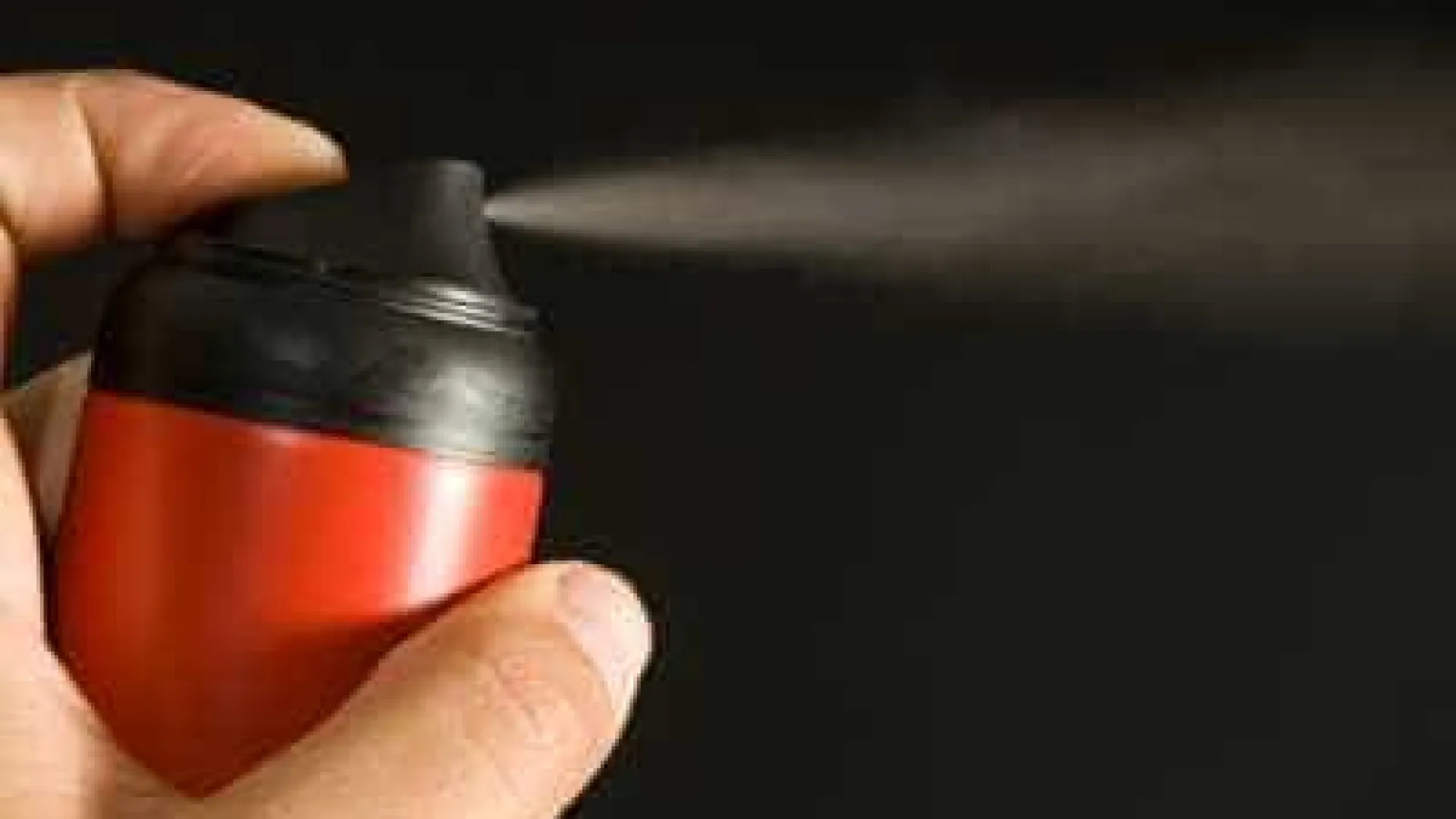
In a move that has sparked debate among lawmakers and citizens alike, a proposed bill in Brazil aims to make pepper spray more widely available to women and minors. The legislation, if passed, would allow individuals aged 18 and above to purchase and carry pepper spray, with a specific provision allowing 16- and 17-year-olds to do so with the explicit consent of their legal guardian.
Background and Context
Brazil has a history of struggles with crime and public safety. In recent years, the country has seen a significant rise in violent crimes, with women often being the primary targets. This proposed bill is part of a broader effort to empower women and protect their rights. The Brazilian government has been working to implement various measures to address the issue, including strengthening the country’s laws on violence against women.
Key Provisions of the Bill
The proposed legislation would make pepper spray widely available, with certain restrictions in place. Individuals aged 18 and above would be allowed to purchase and carry pepper spray without any restrictions. However, 16- and 17-year-olds would need to obtain explicit consent from their legal guardian before being able to acquire the product. This provision is intended to strike a balance between empowering minors and ensuring their safety.
International Comparison
Brazil is not the only country to consider relaxing laws on pepper spray sales. In the United States, for example, some states have laws that allow individuals to carry pepper spray without a permit, while others have more restrictive laws. The proposed bill in Brazil is part of a broader trend of countries re-examining their laws on self-defense and personal safety.
Implications and Future Directions
If passed, the proposed bill could have significant implications for public safety in Brazil. By making pepper spray more widely available, the legislation aims to empower women and minors to protect themselves in situations where they may feel threatened. However, opponents of the bill argue that it could lead to increased violence and aggression. The debate surrounding the bill is likely to continue, with many stakeholders weighing in on the potential consequences of the legislation.
Conclusion
The proposed bill in Brazil is part of a larger conversation about public safety and personal empowerment. While the legislation has sparked debate, it is clear that the issue of violence against women and minors remains a pressing concern in Brazil. As the country continues to navigate this complex issue, it will be essential to carefully consider the potential implications of the proposed bill and to weigh the benefits and risks of making pepper spray more widely available.