









Online Betting Regulations: A Delicate Balance between Executive and Legislative Power
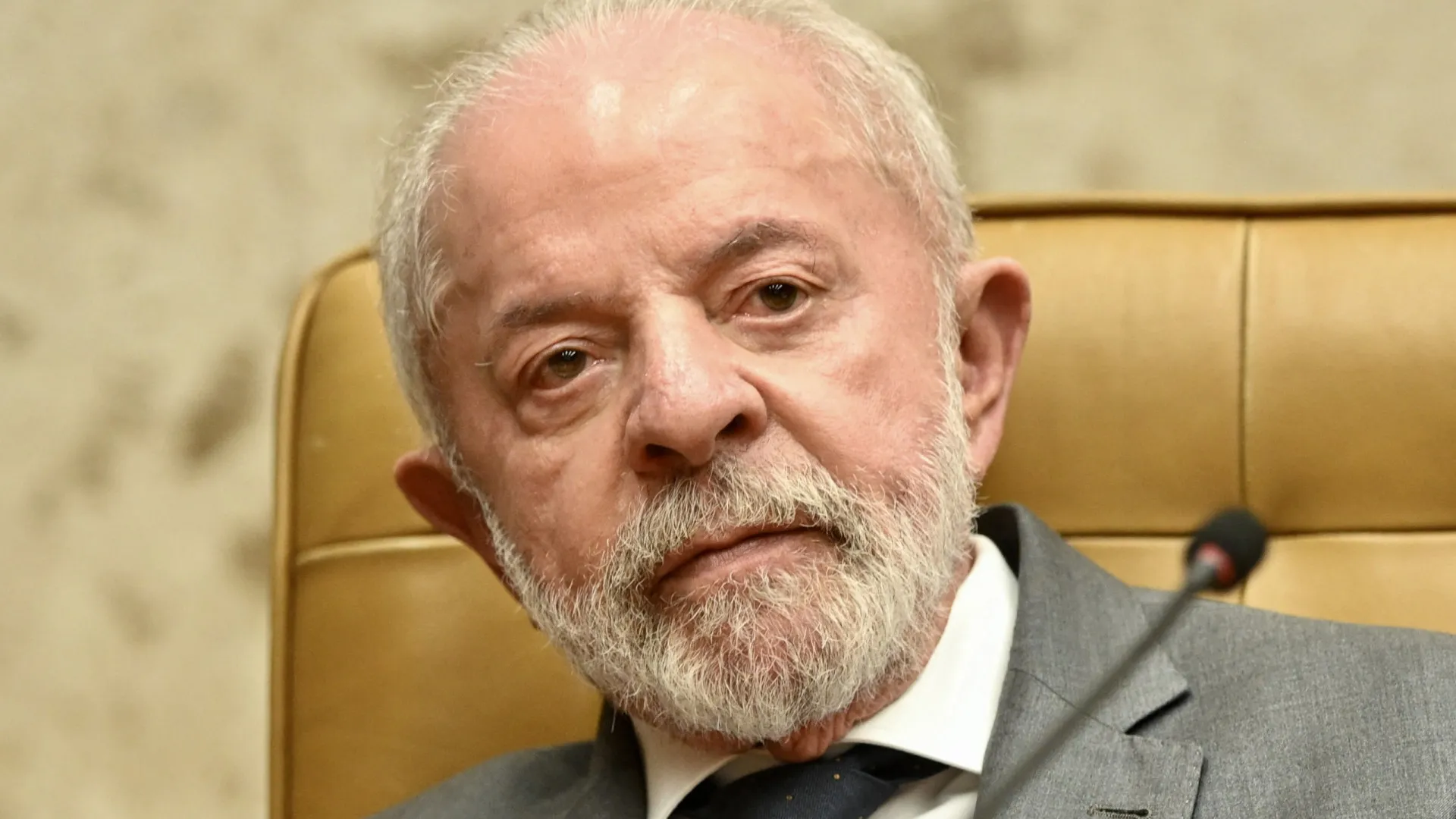
In a recent comment, Brazilian President Luiz Inácio Lula da Silva hinted at the possibility of revising online betting regulations, emphasizing the need for cooperation with the legislative branch. The statement has sparked renewed debate about the current state of online gaming laws in Brazil and the challenges of enforcing regulations.
A Complex Regulatory Landscape
Brazil’s online betting market has experienced rapid growth in recent years, driven by the increasing popularity of sports betting and online casinos. However, the lack of clear regulations has created an environment where unlicensed operators can thrive, posing significant risks to consumers and undermining the potential benefits of a regulated market.
In 2020, the Brazilian government passed a law allowing online sports betting, but the legislation did not provide a clear framework for regulating the industry. As a result, many online betting operators have set up shop in Brazil, exploiting loopholes in the law and putting pressure on the government to establish a more comprehensive regulatory framework.
The Legislative Challenge
President Lula’s comment highlights the challenges of implementing new regulations in the face of strong opposition from the legislative branch. The Brazilian Congress has a history of resisting attempts to restrict online betting, with some lawmakers arguing that such regulations would infringe on individual freedoms and stifle economic growth.
In this context, any changes to the current regulations would require careful negotiation and compromise between the executive and legislative branches. The government would need to demonstrate the benefits of a regulated market, including increased tax revenue and improved consumer protection, while also addressing concerns about individual liberties and economic growth.
A Delicate Balance
The President’s comment also underscores the need for a balanced approach to regulating online betting. While a more comprehensive regulatory framework is essential for protecting consumers and promoting responsible gaming, it must also be designed to accommodate the needs of the industry and the broader economy.
In this regard, the government could consider adopting a tiered regulatory system, with different levels of licensing and oversight for different types of online gaming operators. This approach would allow the government to strike a balance between protecting consumers and promoting economic growth, while also providing a clear and predictable regulatory environment for operators.
Conclusion
The online betting market in Brazil is at a crossroads, with the government facing a critical decision about how to regulate the industry. While President Lula’s comment highlights the challenges of implementing new regulations, it also underscores the need for a balanced approach that protects consumers, promotes responsible gaming, and supports economic growth. The outcome will depend on the ability of the government to navigate the complex regulatory landscape and find a solution that works for everyone.