


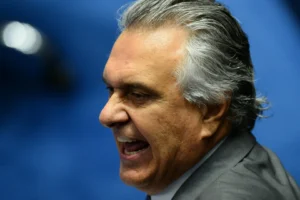






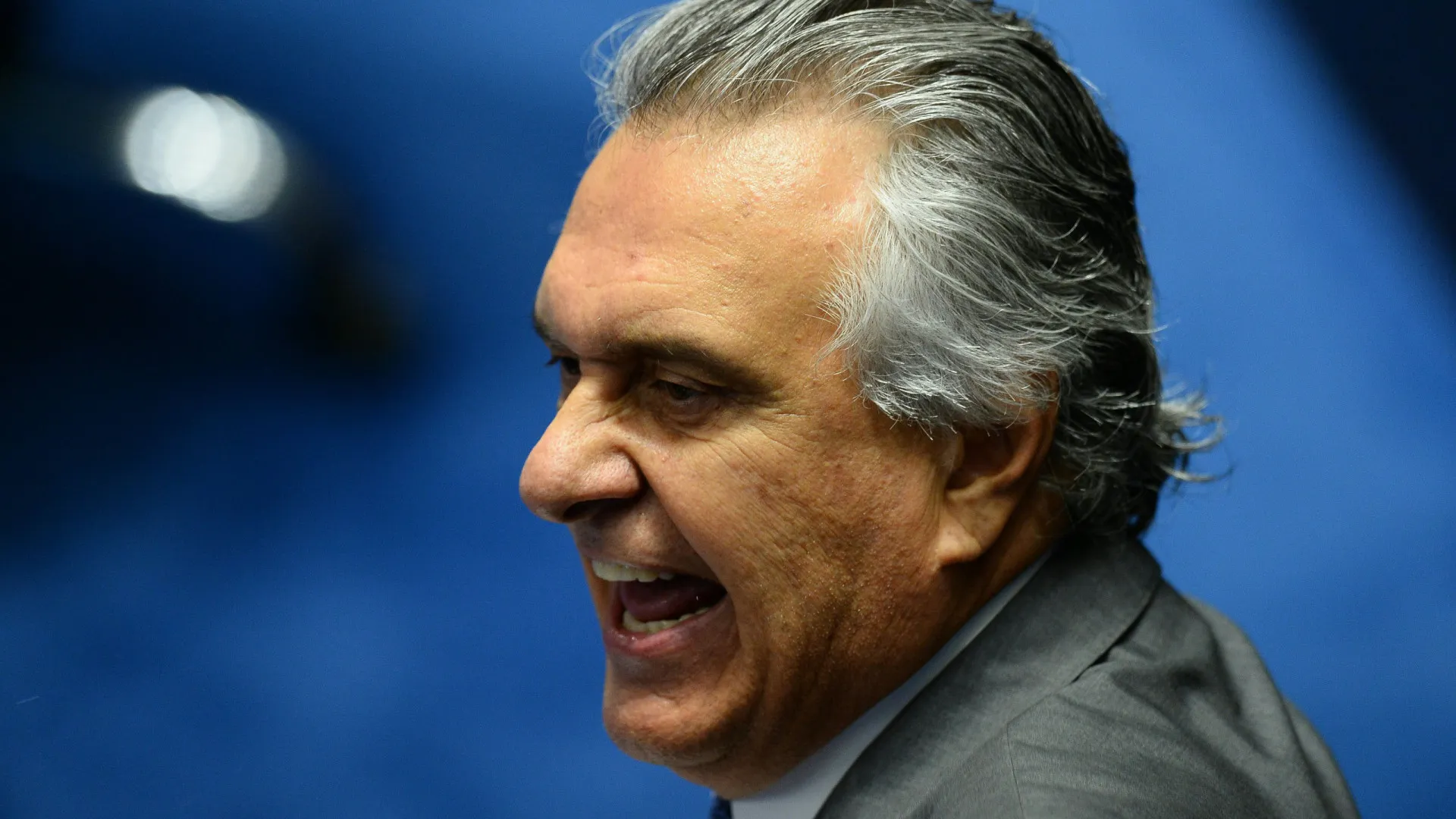
Brazilian Politics in Turmoil: Governor of Goiás Enters Presidential Race for Second Time
In a dramatic turn of events, the governor of Goiás, Ronaldo Caiado, has thrown his hat into the presidential ring for the second time, capitalizing on the withdrawal of popular politician Ratinho Jr. and the retreat of Eduardo Leite from the election. This latest development injects new life into the increasingly polarized Brazilian presidential race, with Lula and Flávio Bolsonaro emerging as the leading contenders on the left and right, respectively.
A Shift in the Balance of Power
Caiado’s entry into the contest marks a significant shift in the balance of power in Brazilian politics, particularly on the right. As a member of the Social Democratic Party (PSD), Caiado has positioned himself as a moderate alternative to the more conservative and divisive figures of the Brazilian Social Democracy Party (PSDB) and the Democrats (DEM). His strategy is to carve out a niche in the center-right, appealing to voters disillusioned with the increasingly polarized political landscape.
A Brief Background on Ronaldo Caiado
Ronaldo Caiado is a seasoned politician with a long history in Brazilian politics. Born in 1960, Caiado began his career in the 1980s as a member of the Brazilian Democratic Movement Party (PMDB). He later joined the PSD, where he rose to prominence as governor of Goiás in 2019. Caiado’s tenure has been marked by efforts to promote economic development and improve the state’s infrastructure.
The Context of the Presidential Election
The Brazilian presidential election is taking place against the backdrop of a polarized and fragmented political landscape. Lula, the Workers’ Party (PT) candidate, has emerged as the favorite to win, thanks to his popularity and the support of key left-wing parties. However, Flávio Bolsonaro, the son of former President Jair Bolsonaro, is also a strong contender, with the backing of the Liberal Party (PL) and other right-wing groups.
Implications and Future Outlook
Caiado’s entry into the presidential race has significant implications for the outcome of the election. His moderate stance and experience as a governor may appeal to voters seeking a more pragmatic alternative to the divisive figures of Lula and Flávio Bolsonaro. However, the road ahead is fraught with challenges, as Caiado will need to navigate the complex web of alliances and rivalries within the PSD and other parties to consolidate support.
As the Brazilian presidential election approaches, one thing is clear: the stakes are high, and the outcome is far from certain. With Caiado’s entry into the contest, the field has become even more crowded and competitive, setting the stage for a thrilling and unpredictable campaign.