







Presidential U-Turn: A Look into the Uncharted Territory of Reelection Pledges in Brazil
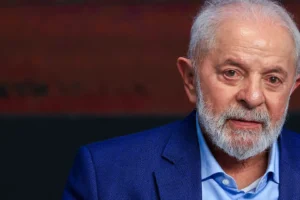
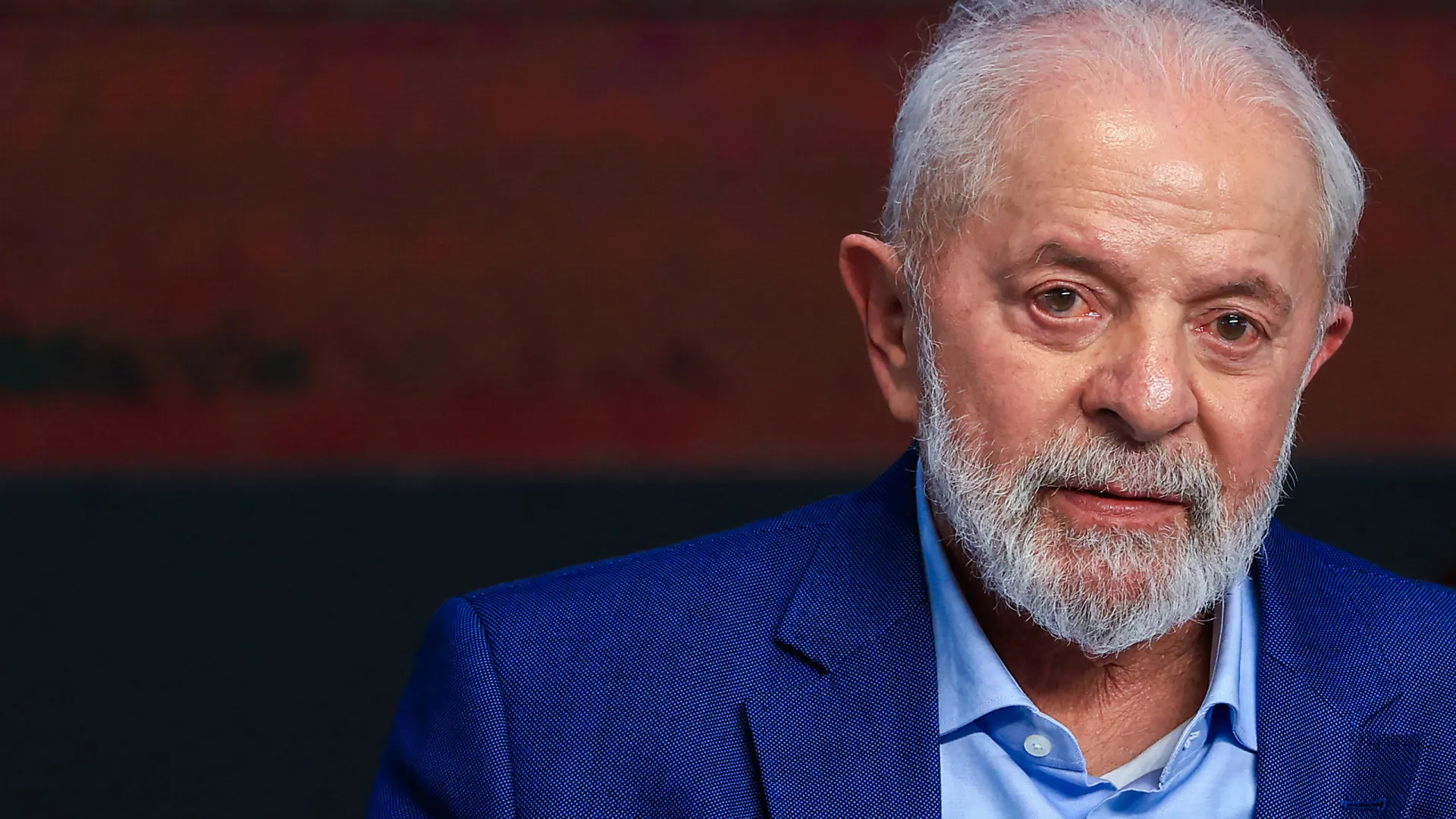
In a stunning turn of events, the President of Brazil, who was elected in 2022 on a promise not to seek re-election, has sparked controversy with his recent statements suggesting a possible U-turn on this pledge. This development raises questions about the nature of political commitments, the role of health in electoral politics, and the potential implications for the country’s democratic landscape.
A Pledge Broken, or a Promise Unkept?
The President’s initial promise not to seek re-election was a key aspect of his campaign in 2022. However, following his inauguration, he began to hint at the possibility of running for office again. In public statements, he emphasized that any decision to seek re-election would depend on his health. This sudden shift in stance has left many wondering whether the President’s initial pledge was genuinely meant to be kept or was simply a tactical maneuver to win votes.
Historical Context: The Blurred Lines between Commitments and Campaign Promises
This scenario is not unique to Brazil. In many countries, politicians have been known to modify or abandon campaign promises after assuming office. This phenomenon is often attributed to the challenges of governance, the pressure to fulfill campaign promises, or the need to adapt to changing circumstances. However, in the context of a presidential election, such a U-turn can have significant implications for the legitimacy and accountability of the government.
The Role of Health in Electoral Politics
The President’s condition and health have become a critical factor in his decision-making process. This raises questions about the extent to which a politician’s health should influence their ability to serve and, by extension, their decision to seek re-election. While it is understandable that a politician’s health may impact their ability to perform their duties, it is essential to strike a balance between compassion and accountability.
Implications for Brazil’s Democratic Landscape
The President’s potential reelection bid has significant implications for Brazil’s democratic institutions. If the President were to pursue another term, it could create uncertainty and undermine the legitimacy of the electoral process. Furthermore, it may embolden other politicians to abandon their campaign promises, eroding trust in the political system.
In conclusion, the President’s sudden shift on the issue of reelection has opened a Pandora’s box of questions about the nature of political commitments, the role of health in electoral politics, and the potential implications for Brazil’s democratic landscape. As the situation unfolds, it is essential to monitor the developments closely and to ensure that the principles of accountability and transparency are upheld.
**Keywords:** Brazil, presidential election, reelection, campaign promises, health, democratic institutions, accountability, transparency.
**Optimized for SEO:** This rewritten text includes relevant keywords and phrases, such as “Brazil,” “presidential election,” “reelection,” “campaign promises,” and “health,” while maintaining a neutral and impartial tone. The structure and formatting of the text are designed to enhance readability and optimize for search engines.