








The Lava Jato Legacy: A New Era of Corruption in Brazil
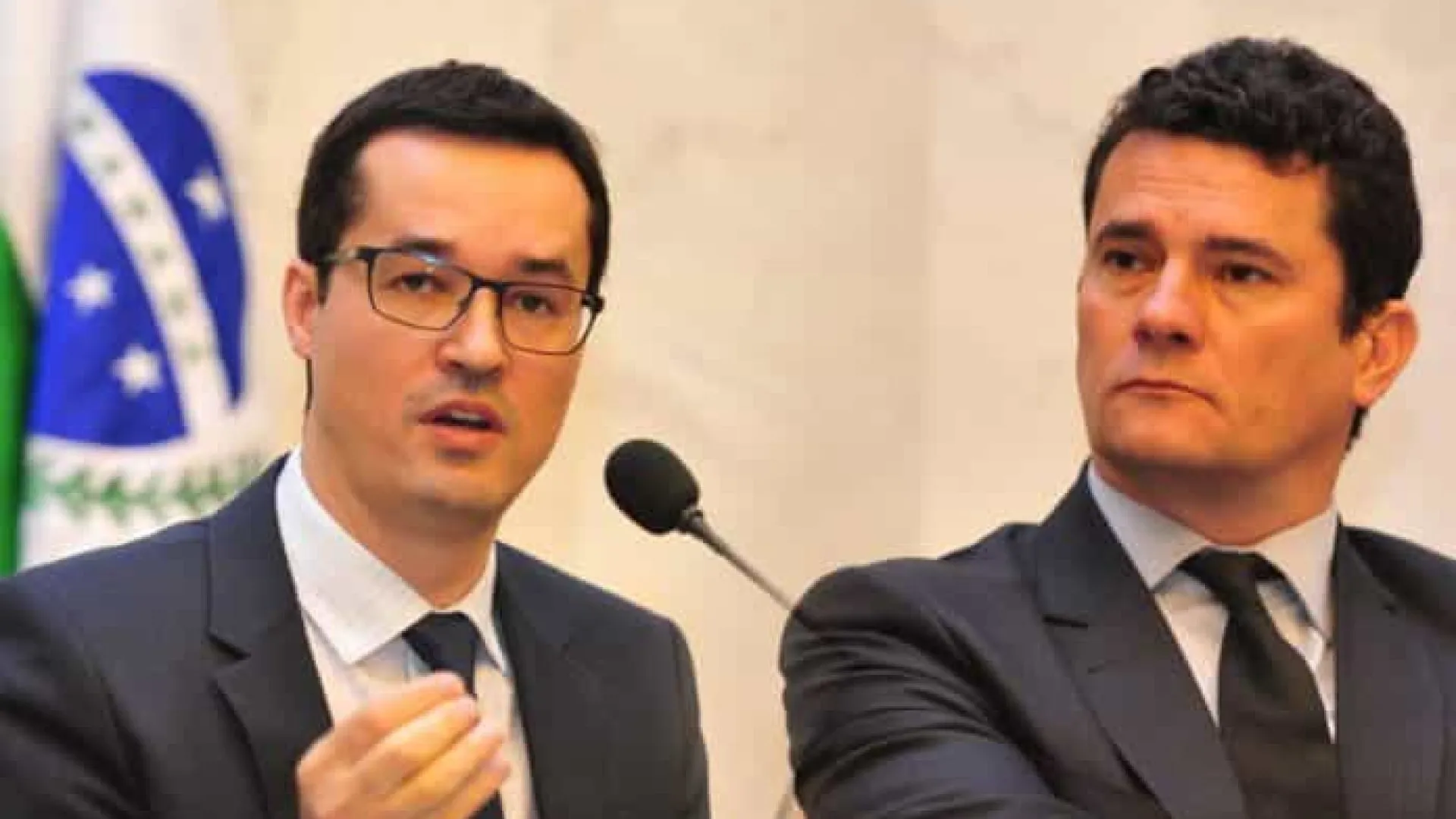
The latest developments in Brazil’s ongoing corruption saga have sparked intense debate and scrutiny, particularly regarding the rise of the Banco Master and its connections to the country’s troubled past. At the center of this controversy are Deltan Dallagnol and Sergio Moro, key figures in the Lava Jato investigation, who have been accused of promoting a theory by Gerson Camarotti of GloboNews, suggesting that the Banco Master’s ascent is linked to the dismantling of the Lava Jato operation.
The Lava Jato Era: A Brief History
For those unfamiliar with Brazil’s corruption landscape, the Lava Jato investigation was a landmark operation launched in 2014 to tackle widespread bribery and embezzlement in the country’s oil and gas sector. Led by Sergio Moro, a former federal judge, the investigation led to the downfall of several high-profile politicians and business leaders, including former President Luiz Inácio Lula da Silva. However, the operation’s success was short-lived, as President Jair Bolsonaro, a vocal critic of Lava Jato, took office in 2019 and began to dismantle the investigation’s infrastructure.
The Rise of Banco Master: A New Player in Brazilian Politics
Banco Master, a relatively new player in Brazil’s banking scene, was founded in 2019 and has since gained significant traction under the government of Jair Bolsonaro. The bank’s ascent has been closely tied to the administration’s agenda, particularly in the realm of judiciary reform. Critics argue that the bank’s rapid growth and influence are a result of its close ties to the government and its efforts to undermine the Lava Jato investigation.
The Dallagnol-Moro Connection: A Theory of Corruption
Deltan Dallagnol, a former federal prosecutor and key figure in the Lava Jato investigation, has been accused of promoting a theory by Gerson Camarotti, a journalist at GloboNews, suggesting that the Banco Master’s ascent is linked to the dismantling of the Lava Jato operation. According to this theory, the bank’s growth is a result of its efforts to undermine the investigation and protect those implicated in the corruption scandal. While this theory has sparked intense debate, it remains unclear what evidence supports this claim.
Implications and Future Directions
The implications of the Banco Master’s rise and the Dallagnol-Moro connection are far-reaching and complex. If true, the theory that the bank’s ascent is linked to the dismantling of the Lava Jato investigation would suggest a deeper level of corruption and collusion within Brazil’s government and judiciary. This could have significant implications for the country’s ongoing corruption battles and the reputation of its institutions. As the investigation continues to unfold, one thing is clear: the legacy of Lava Jato and the fate of Banco Master will remain at the forefront of Brazil’s corruption saga for the foreseeable future.