








Brazilian Floods Leave Residents Devastated and Displaced
A Desperate Search for Familiarity in the Wake of Destruction
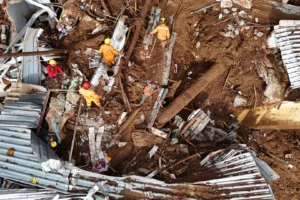
In the aftermath of a devastating flood that ravaged the city of Brazil, residents are left to pick up the pieces and come to terms with the destruction that has befallen their communities. The disaster, which occurred in the early hours of the morning, has left many families without homes, and the emotional toll is just as severe as the physical damage.
In a heart-wrenching interview, one resident, Leticia, recalled her experience of discovering her aunt’s house had been destroyed. “When I arrived at the scene, one of the houses that used to be there belonged to my aunt Júlia. I didn’t recognize it due to the destruction. This happened this morning,” she said, visibly shaken during a report in the Jardim Natal neighborhood.
The floods, which are thought to have been caused by a combination of heavy rainfall and poor drainage infrastructure, have left many residents without access to basic necessities like food, water, and shelter. The Brazilian government has pledged to provide assistance to those affected, but the full extent of the damage is still unclear.
A History of Disasters in Brazil
Brazil has a long history of experiencing devastating natural disasters, including floods, landslides, and droughts. In recent years, the country has been hit by a series of severe floods, including a 2010 disaster that left thousands of people homeless in the city of Rio de Janeiro. The government has been criticized for its slow response to these disasters, and many are calling for greater investment in infrastructure and emergency preparedness.
The Human Cost of Disaster
The psychological impact of disasters like the one that has hit Brazil cannot be overstated. The loss of a home, a sense of security, and a community can have a lasting impact on individuals and families. In the aftermath of a disaster, it is not uncommon for residents to experience anxiety, depression, and post-traumatic stress disorder (PTSD).
As the people of Brazil struggle to come to terms with the destruction caused by the flood, it is clear that the road to recovery will be long and difficult. However, with the support of their government and international community, they may be able to rebuild and emerge stronger than before.
A Call for Action
The floods in Brazil serve as a stark reminder of the importance of disaster preparedness and emergency planning. As the world grapples with the challenges of climate change, it is more crucial than ever that governments and communities invest in infrastructure and emergency preparedness measures. By doing so, we can reduce the risk of disasters and minimize their impact on individuals and communities.
As Leticia and her fellow residents of Jardim Natal begin the long process of rebuilding, they are not alone. The international community stands in solidarity with them, offering support and assistance in the face of tragedy. Together, we can help to create a more resilient and prepared world, where the devastating impact of disasters is minimized and the human cost is reduced.
**Keywords:** Brazil floods, disaster relief, emergency preparedness, infrastructure development, post-traumatic stress disorder (PTSD).