




Brazilian Media Scandal: Lula da Silva Family Embroiled in Allegations of Politicking
The recent controversy surrounding the Brazilian media has taken a dramatic turn, with allegations of politicking and manipulation at the heart of a long-standing feud between the country’s left-leaning government and a prominent newspaper. At the center of the storm is the Lula da Silva family, with the president’s son, Fábio Luís Lula da Silva, otherwise known as Lulinha, becoming a target of criticism.
According to lawyer Marco Aurélio Carvalho, the Rio de Janeiro-based newspaper is deliberately using Lulinha to discredit President Lula da Silva, a tactic eerily reminiscent of the scandal-ridden Lava Jato era. During this period, the country’s anti-corruption efforts were marred by allegations of media manipulation and government interference, further exacerbating social tensions.
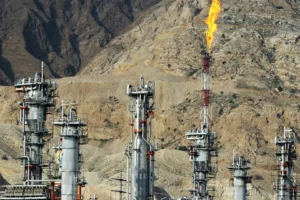
A closer examination of the Lava Jato era reveals a complex web of corruption and media manipulation. The massive corruption scandal, which rocked the country’s oil and gas industry, led to widespread arrests and convictions of high-ranking government officials and business leaders. However, critics argue that the media played a significant role in shaping public opinion and influencing the government’s response to the scandal.
The use of media to discredit opponents is not a new phenomenon in Brazilian politics. In the 1970s and 1980s, the country’s military regime employed various tactics to silence opposition voices, including media censorship and propaganda. This history of media manipulation has left a lasting impact on the country’s politics and continues to shape the current environment.
The latest allegations against the newspaper and the Lula da Silva family raise concerns about the potential for media manipulation and the erosion of trust in institutions. In a country where the separation of powers is a cornerstone of democracy, the use of media to influence public opinion and discredit opponents poses a significant threat to the rule of law and the principles of democratic governance.
As the controversy surrounding Lulinha and the newspaper continues to unfold, it remains to be seen whether the allegations will have any lasting impact on the country’s politics. However, one thing is certain: the legacy of media manipulation in Brazil’s troubled past serves as a stark reminder of the need for a free and independent press to hold those in power accountable.
A Complex History of Media Manipulation in Brazil
Brazil’s history is replete with examples of media manipulation and government interference. The country’s military regime, which ruled from 1964 to 1985, employed media censorship and propaganda to silence opposition voices and maintain control over the narrative. The legacy of this era continues to shape the country’s politics, with the use of media to discredit opponents remaining a common tactic.
In the 1990s and 2000s, the country’s media landscape underwent significant changes, with the rise of cable television and the internet transforming the way people consume news. However, this shift also created new opportunities for media manipulation, with politicians and special interest groups using social media to shape public opinion and influence the narrative.
The Lava Jato era marked a significant turning point in the country’s history, with the massive corruption scandal exposing deep-seated corruption and government interference in the media. The scandal led to widespread arrests and convictions, but also highlighted the need for greater transparency and accountability in the country’s politics.
The Future of Media in Brazil
As the controversy surrounding Lulinha and the newspaper continues to unfold, it remains to be seen how the country’s media landscape will evolve. In a country where the separation of powers is a cornerstone of democracy, the use of media to influence public opinion and discredit opponents poses a significant threat to the rule of law and the principles of democratic governance.
In the wake of the Lava Jato era, there is a growing recognition of the need for greater transparency and accountability in the country’s media. Efforts to strengthen media regulation and promote greater independence in the press are underway, but much work remains to be done.
Ultimately, the future of media in Brazil will depend on the country’s ability to strike a balance between the need for a free and independent press and the need to prevent media manipulation and government interference. As the country continues to navigate the complexities of its politics, one thing is certain: the importance of a free and independent press in holding those in power accountable will only continue to grow.