








Social Inequality and the Brazilian Banking System: President Lula’s Critique
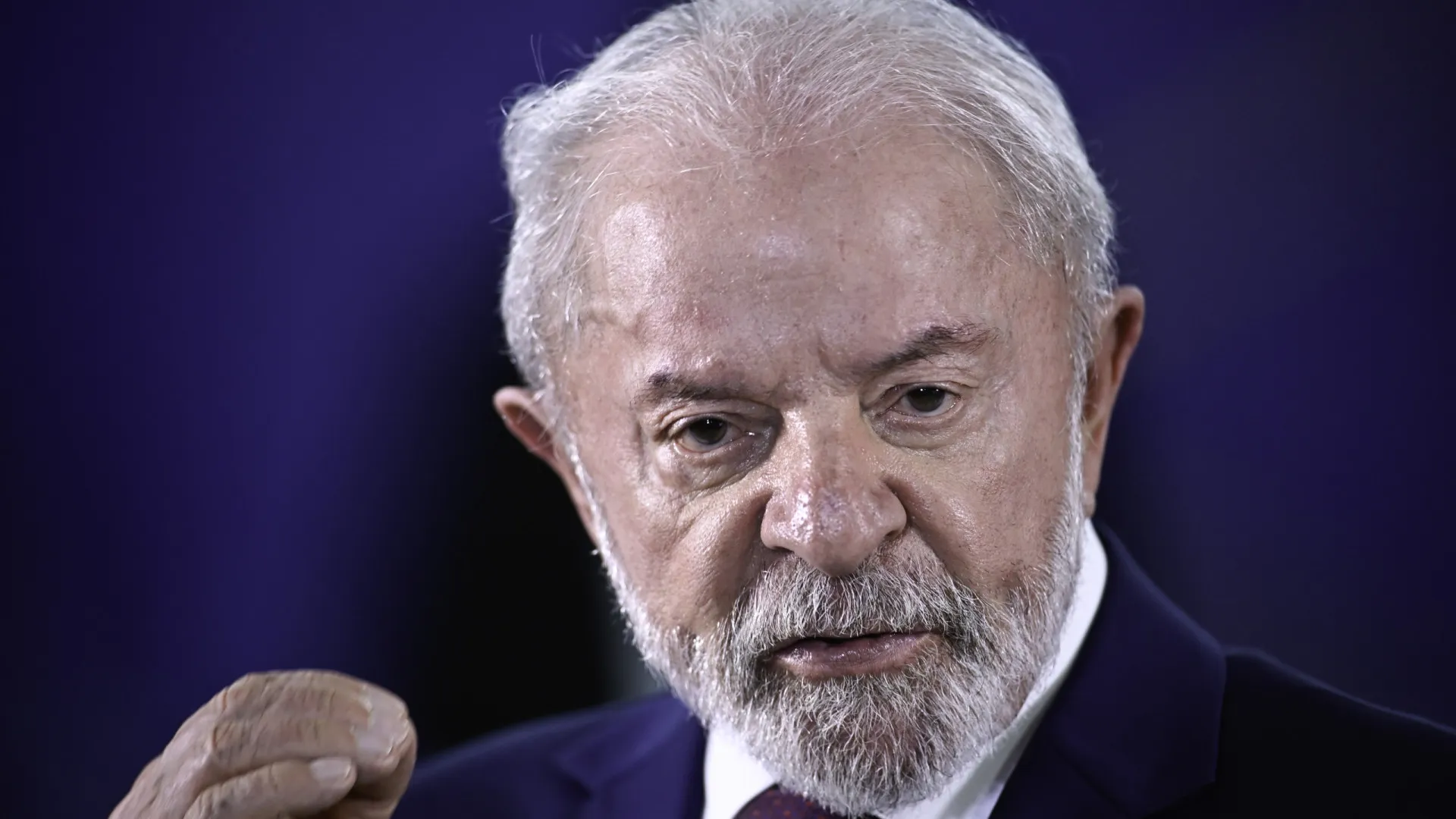
In a recent address in Maceió, Alagoas, Brazilian President Luiz Inácio Lula da Silva expressed deep concerns about the country’s social inequality and the apparent lack of accountability in the banking sector. Lula’s comments come at a time when many Brazilians are grappling with the consequences of a severe economic crisis, characterized by high inflation, soaring unemployment, and widening income disparities.
The Context of Economic Austerity
Brazil has been facing a severe economic downturn since 2014, with the country experiencing a recession that lasted for two years. The subsequent recovery has been slow and uneven, with many low-income households struggling to make ends meet. The government’s austerity measures, aimed at reducing the budget deficit, have disproportionately affected the most vulnerable segments of the population, exacerbating social inequality.
The Mastercard Scandal and Its Consequences
Lula’s remarks were specifically directed at the Mastercard scandal, which involved the theft of over R$ 40 billion (approximately $8.5 billion USD) from the company’s Brazilian subsidiary. The heist, which is believed to be one of the largest in Brazilian history, has raised questions about the banking system’s vulnerability to cybercrime and the adequacy of regulatory measures to prevent such incidents.
The Role of State-Owned Banks
Lula’s statement that state-owned banks such as Banco do Brasil and Caixa Econômica will bear the brunt of the Mastercard scandal’s costs has sparked controversy. Critics argue that the government’s decision to shift the burden to these institutions is unfair, given their vital role in providing essential financial services to low-income households. On the other hand, proponents argue that the state-owned banks are better equipped to absorb the losses, given their stronger capital base and more stable funding structures.
Implications for Social Inequality
The Mastercard scandal and the government’s response to it highlight the deep-seated social and economic inequalities that plague Brazilian society. The fact that a single individual was able to steal over R$ 40 billion from a major financial institution has raised questions about the efficacy of the country’s banking regulations and the ability of law enforcement agencies to prevent such crimes.
Conclusion
President Lula’s comments serve as a stark reminder of the need for more effective policies to address social inequality in Brazil. The country’s banking system, which has been criticized for its lack of transparency and accountability, must be reformed to prevent similar scandals in the future. By prioritizing the needs of low-income households and promoting greater financial inclusion, the government can begin to address the root causes of social inequality and build a more just and equitable society for all Brazilians.