








Brazil’s President Lula Emphasizes Need for Comprehensive Anticrime Legislation
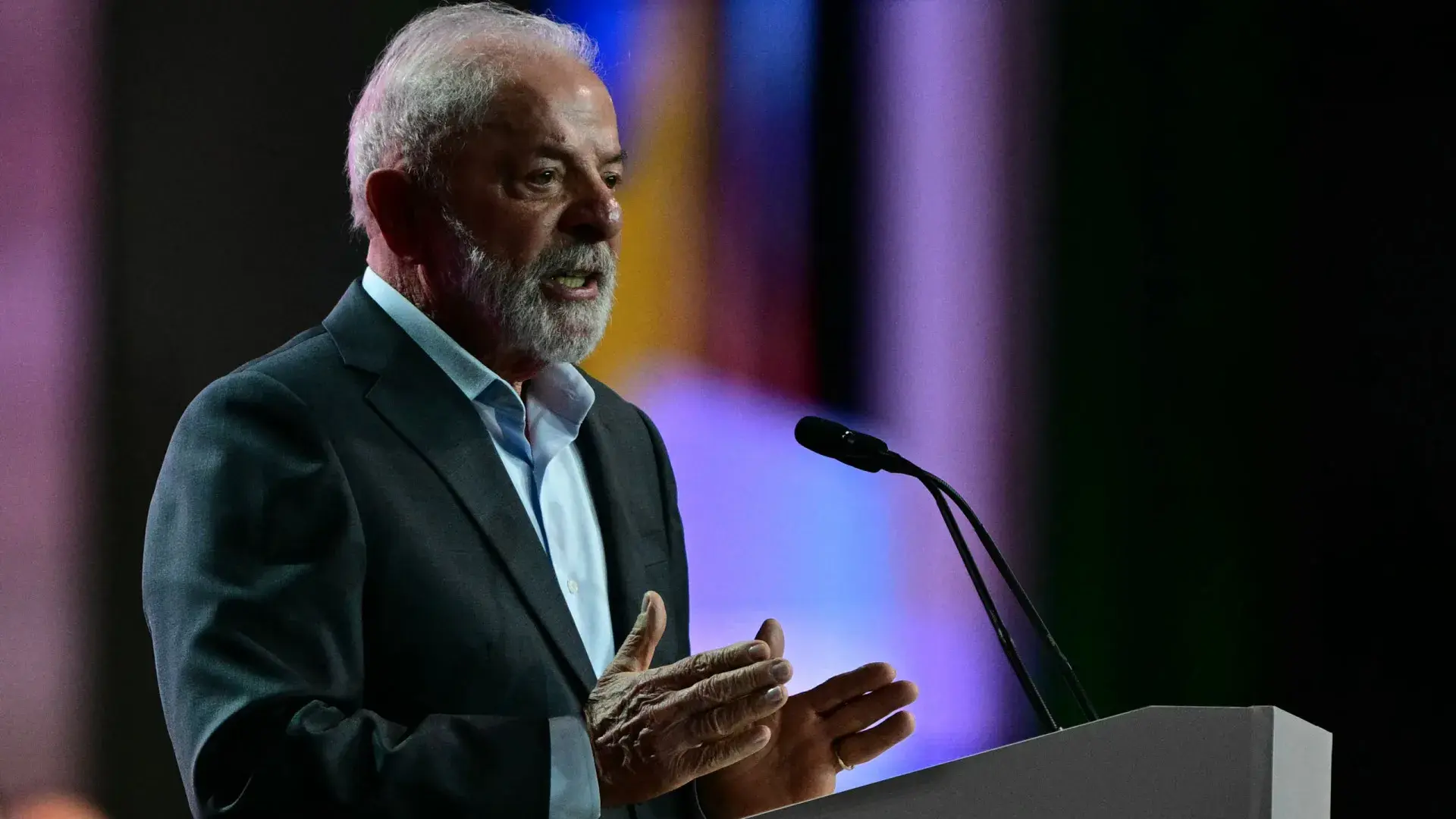
In a recent statement, Brazilian President Luiz Inácio Lula da Silva highlighted the significance of adopting robust and reliable laws to combat organized crime in the country. The President’s comments came after the Chamber of Deputies approved a key amendment to the Antifacção Bill (PL Antifacção), a legislative proposal introduced by his government aimed at tackling the country’s notorious gang violence.
Historical Context: Brazil’s Struggle with Organized Crime
Brazil has long been grappling with the issue of organized crime, which has led to rising levels of violence and insecurity across various regions, particularly in urban areas like Rio de Janeiro and São Paulo. The country’s history of corruption and institutional weakness has been exploited by powerful gangs and cartels, often linked to international crime syndicates. President Lula’s administration has consistently emphasized the need for comprehensive reforms to combat this complex social issue.
Key Amendments and Implications
The approved amendment, championed by the President’s government, introduces significant changes to the original Antifacção Bill. These changes include enhanced penalties for crimes related to organized violence, expanded powers for law enforcement agencies, and increased resources for community-based initiatives aimed at preventing gang involvement among at-risk youth. Critics argue that these amendments do not go far enough, while proponents emphasize the potential benefits of bolstering the country’s anticrime apparatus.
Challenges Ahead: Implementing Effective Anticrime Strategies
While the President’s push for tougher laws represents a crucial step forward in Brazil’s ongoing struggle against organized crime, experts caution that implementation will be crucial to the bill’s success. Effective anticrime strategies require a multidisciplinary approach, incorporating law enforcement, social services, education, and economic development. Brazil’s history of corruption and institutional weaknesses suggests that the country’s ability to execute these reforms will be put to the test.
Conclusion: A Complex and Ongoing Battle
Brazil’s fight against organized crime remains a pressing concern, requiring sustained efforts from government, civil society, and the international community. President Lula’s emphasis on robust and reliable laws is an essential component of this effort, but it is only one aspect of a broader strategy to address the country’s complex social issues. As Brazil moves forward with these reforms, it is essential to prioritize transparency, accountability, and collaboration to ensure that the country’s citizens can live safely and securely in the years to come.