








Brazilian President Emphasizes Focus on Social Inclusion, Urges Citizens to Evaluate Governance
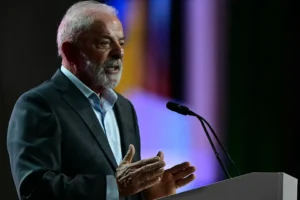
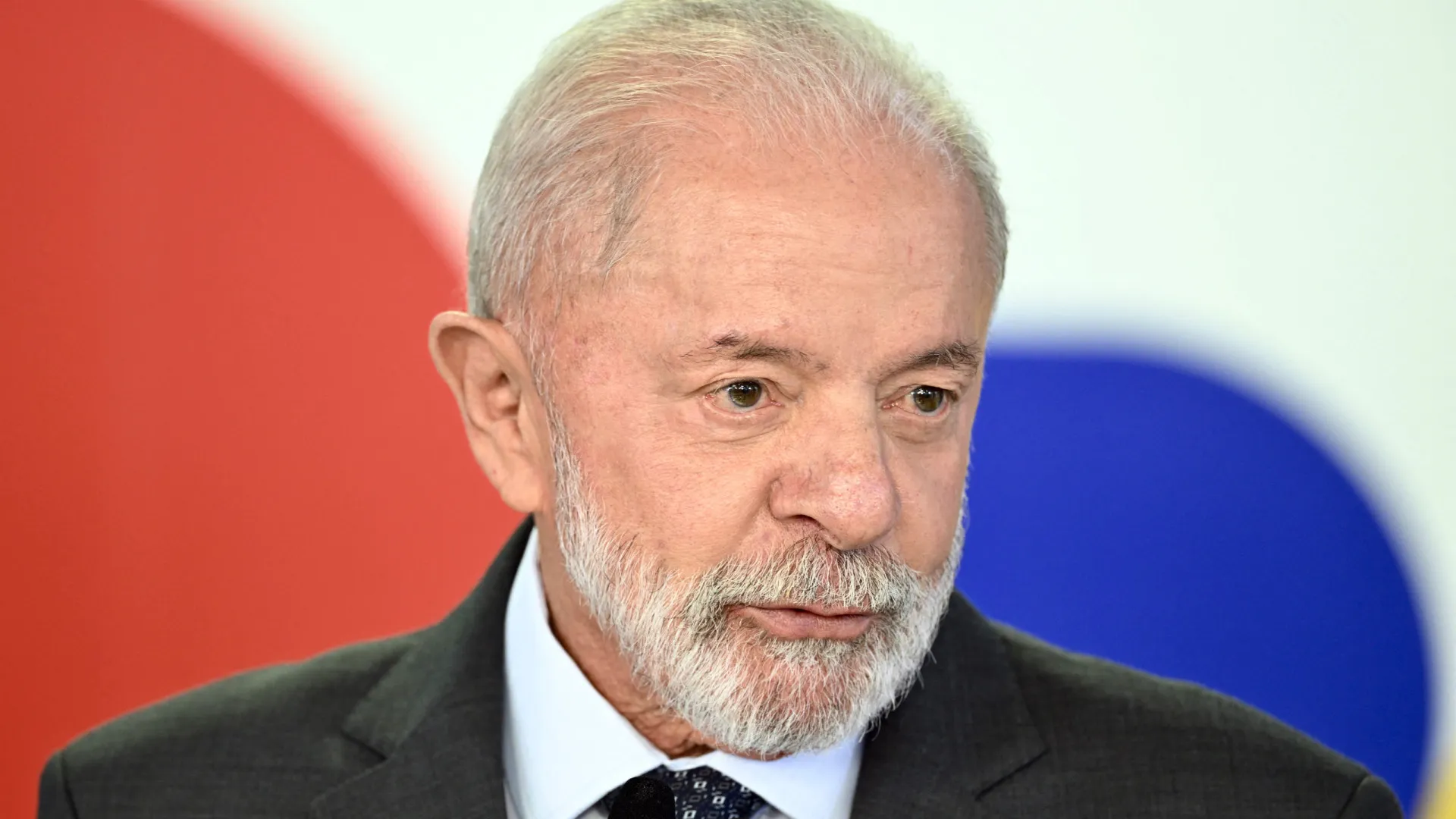
In a recent public address, the President of Brazil reiterated her administration’s commitment to social inclusion policies, reiterating that her government’s priorities should not be centered around the interests of the wealthy. This stance is reflective of a broader trend in Latin American politics, where left-leaning governments have sought to address historical inequalities and promote more equitable development models.
The President’s statement came as part of a broader discussion on governance and the role of the state in addressing social and economic challenges. In a country marked by significant income inequality and social disparities, the administration’s focus on social inclusion has been a key aspect of its policy agenda. This focus is driven by a recognition that the country’s economic growth has not been accompanied by equivalent social progress, leaving many citizens behind.
The Context of Social Inclusion in Brazil
Brazil’s experience with social inclusion policies dates back to the 2000s, when the country’s first left-wing government implemented a range of programs aimed at reducing poverty and inequality. These initiatives, including the Bolsa Família program, have been widely credited with improving living standards and reducing poverty rates. However, critics argue that these gains have been eroded in recent years, as the country’s economic growth has slowed and the government’s social spending has been reduced.
The President’s emphasis on social inclusion is also reflective of a broader shift in global politics, where concerns about inequality and social justice have become increasingly prominent. This trend is driven in part by the rise of progressive movements around the world, which have highlighted the need for more equitable and inclusive economic systems.
Evaluating Governance: A Call to Action
In her address, the President also urged citizens to critically evaluate the government’s performance and compare data on key indicators such as poverty rates, inequality, and access to education and healthcare. This call to action reflects a recognition that effective governance requires not only policy implementation but also transparency and accountability.
As Brazil continues to grapple with its social and economic challenges, the President’s emphasis on social inclusion and her call to action on governance offer a significant opportunity for the country to reorient its development trajectory. By prioritizing the needs of the most vulnerable members of society and promoting more inclusive economic models, Brazil can build a more equitable and prosperous future for all its citizens.
Conclusion
The President’s statement on social inclusion and governance reflects a broader trend in Latin American politics, where left-leaning governments are seeking to address historical inequalities and promote more equitable development models. As Brazil continues to navigate its social and economic challenges, the administration’s commitment to social inclusion and its call to action on governance offer a significant opportunity for the country to reorient its development trajectory and build a more equitable and prosperous future for all its citizens.