










Opioid Overdose Deaths in Canada Decline, but Threats from Veterinary Tranquilizers Grow
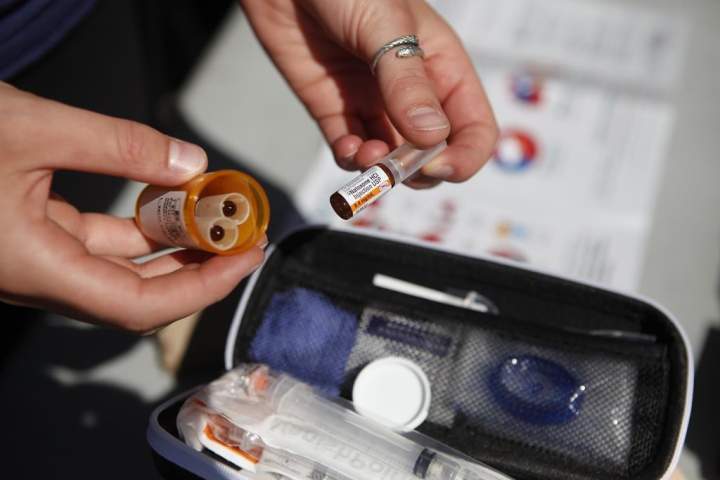
In recent years, Canada has witnessed a concerning trend of opioid-related overdose deaths. However, according to the latest data, there has been a notable decline in these fatalities. While the news may seem cause for celebration, experts warn that new threats are emerging, particularly the use of veterinary tranquilizers as cutting agents in illicitly manufactured fentanyl and other opioids. This phenomenon raises serious concerns about the evolving nature of the opioid crisis and the need for ongoing vigilance.
The Opioid Epidemic in Canada: A Complex Issue
The opioid crisis in Canada has its roots in the early 2000s, when prescription painkillers such as oxycodone and fentanyl became widely available. As the number of prescriptions grew, so did the number of overdose deaths. In response, the Canadian government implemented various measures to restrict access to these medications, including stricter prescribing guidelines and public awareness campaigns. These efforts appear to be paying off, with opioid-related overdose deaths declining by approximately 10% between 2019 and 2022, according to data from the Canadian Institute for Health Information (CIHI).
Veterinary Tranquilizers: A New Threat
Meanwhile, a growing concern is the use of veterinary tranquilizers, such as xylazine and metaxalone, as cutting agents in illicitly manufactured fentanyl and other opioids. These substances, designed for animal use, can have devastating consequences when combined with opioids. Xylazine, in particular, has been linked to a range of severe health complications, including skin necrosis, gangrene, and respiratory failure. The increasing presence of these substances in the illicit opioid supply poses a significant threat to public health, particularly for vulnerable populations such as individuals struggling with addiction.
Historical Context and International Implications
The use of veterinary tranquilizers in illicitly manufactured opioids is not unique to Canada. Similar trends have been observed in the United States, where xylazine has been detected in fentanyl samples across multiple states. This phenomenon highlights the need for international cooperation and information-sharing to combat the evolving opioid crisis. As the global community grapples with the complexities of addiction and substance misuse, it is essential to remain vigilant and adapt to emerging threats.
Moving Forward: A Call to Action
While the decline in opioid-related overdose deaths is a welcome development, it is crucial to acknowledge the growing concerns surrounding veterinary tranquilizers. To address this issue, Canadian authorities must continue to work closely with international partners, law enforcement agencies, and healthcare providers to monitor the illicit opioid market and develop effective strategies to mitigate the risks associated with veterinary tranquilizers. Furthermore, public awareness campaigns and education initiatives can play a vital role in reducing the stigma surrounding addiction and promoting safe substance use practices. By working together, we can prevent a resurgence in opioid-related overdose deaths and ensure a safer, healthier future for Canadians.
Conclusion
The opioid crisis in Canada has been a longstanding concern, but recent data suggests a decline in overdose deaths. However, the growing presence of veterinary tranquilizers in the illicit opioid supply poses a significant threat to public health. As we move forward, it is essential to remain vigilant, adapt to emerging threats, and work collaboratively to address the complexities of addiction and substance misuse. By doing so, we can build a safer, more resilient community for all Canadians.
Source: globalnews.ca