






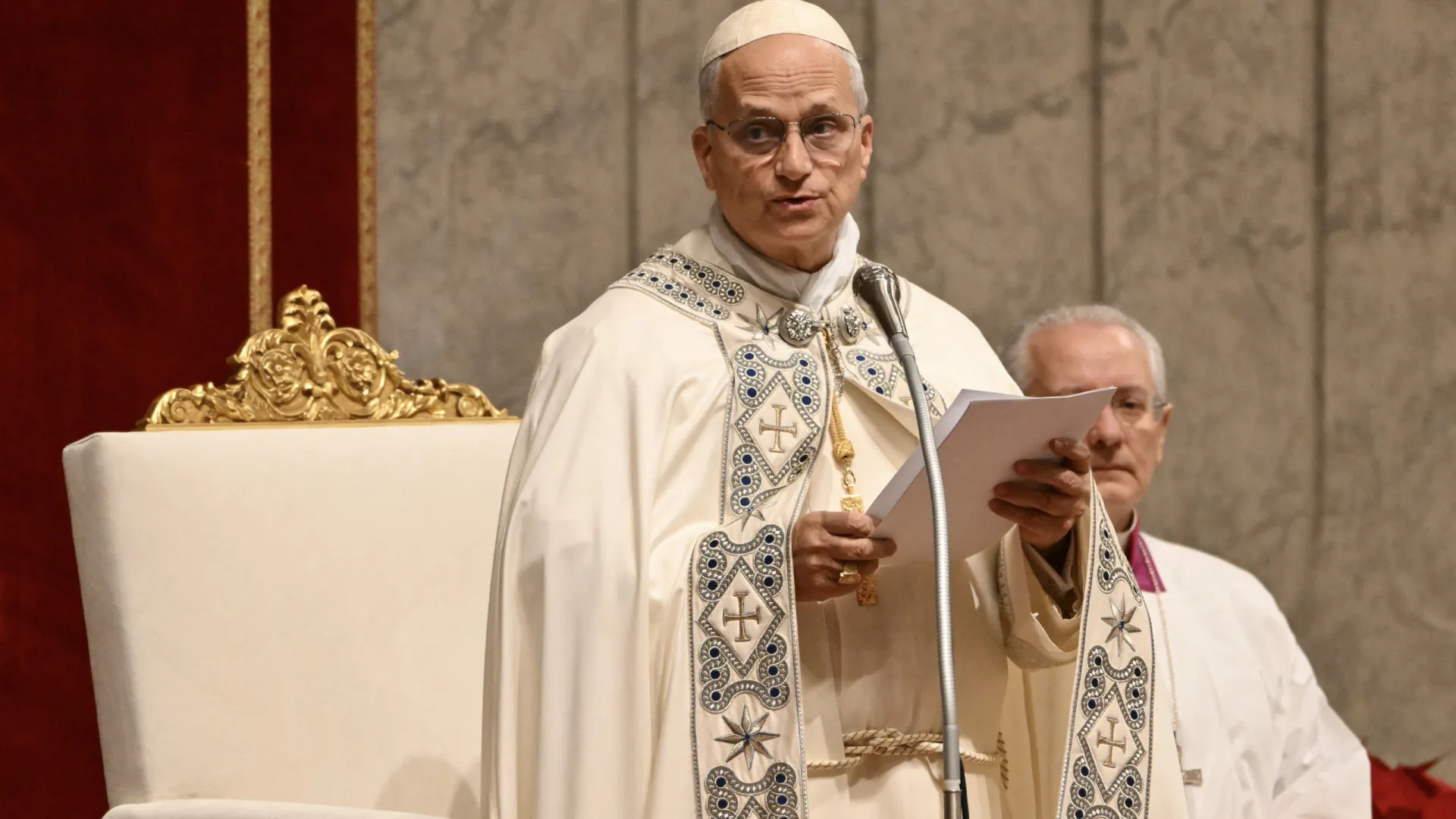
The Vatican’s Cautionary Note on AI-Generated Sermons
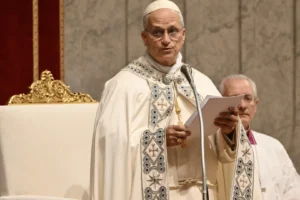
In a bid to maintain the integrity of spiritual discourse, Pope Francis has urged Catholic priests to refrain from utilizing Artificial Intelligence (AI) tools, such as ChatGPT, to compose sermons. This development has sparked a wider conversation about the role of technology in religious expression and the potential consequences of relying on AI-generated content.
The Rise of AI-Generated Content
The proliferation of AI-powered tools, like language generators and chatbots, has led to a significant increase in AI-generated content across various sectors. While these tools have the potential to revolutionize the way we communicate, they also raise concerns about the authenticity and emotional resonance of digital content. In the context of spiritual expression, the Vatican’s warning serves as a reminder of the importance of human connection and emotional depth in conveying faith.
Historical Context: The Evolution of Spiritual Expression
Throughout history, spiritual leaders have employed various mediums to convey their messages and connect with their congregations. From the written word to oral traditions, the evolution of spiritual expression has been shaped by technological advancements and societal changes. The advent of digital media has brought about new opportunities for spiritual expression, but also poses challenges in maintaining the authenticity and emotional sincerity of digital content.
The Limits of AI-Generated Sermons
Pope Francis’s cautionary note highlights the limitations of AI-generated sermons in conveying the complexities of faith. While AI tools can generate coherent and engaging content, they lack the emotional depth and personal touch that is essential in spiritual expression. The Vatican’s warning also underscores the importance of human empathy and compassion in spiritual leadership, qualities that are difficult to replicate with AI.
Implications for Religious Expression
The Vatican’s stance on AI-generated sermons has significant implications for the way we approach spiritual expression in the digital age. As technology continues to advance, spiritual leaders will need to navigate the complexities of AI-generated content and its potential impact on their congregations. By acknowledging the limitations of AI-generated sermons, the Vatican is urging spiritual leaders to prioritize authentic human connection and emotional depth in their expressions of faith.
Conclusion
The Vatican’s cautionary note on AI-generated sermons serves as a reminder of the importance of human authenticity and emotional sincerity in spiritual expression. As we navigate the complexities of the digital age, spiritual leaders will need to balance the potential benefits of technology with the need for authentic human connection. By doing so, they can ensure that their messages of faith continue to resonate with their congregations and inspire meaningful spiritual growth.
**Keywords:** Pope Francis, Vatican, AI-generated sermons, ChatGPT, Artificial Intelligence, spiritual expression, digital media, faith, human connection, emotional sincerity.
References:
* Vatican Press Office. (2023). Pope Francis Urges Priests to Avoid Using AI to Write Sermons.
* Pew Research Center. (2022). The State of Technology and Faith in America.
* The New York Times. (2023). The Rise of AI-Generated Content: A Threat to Authenticity?
Source: Notícias ao Minuto Brasil – Tech