










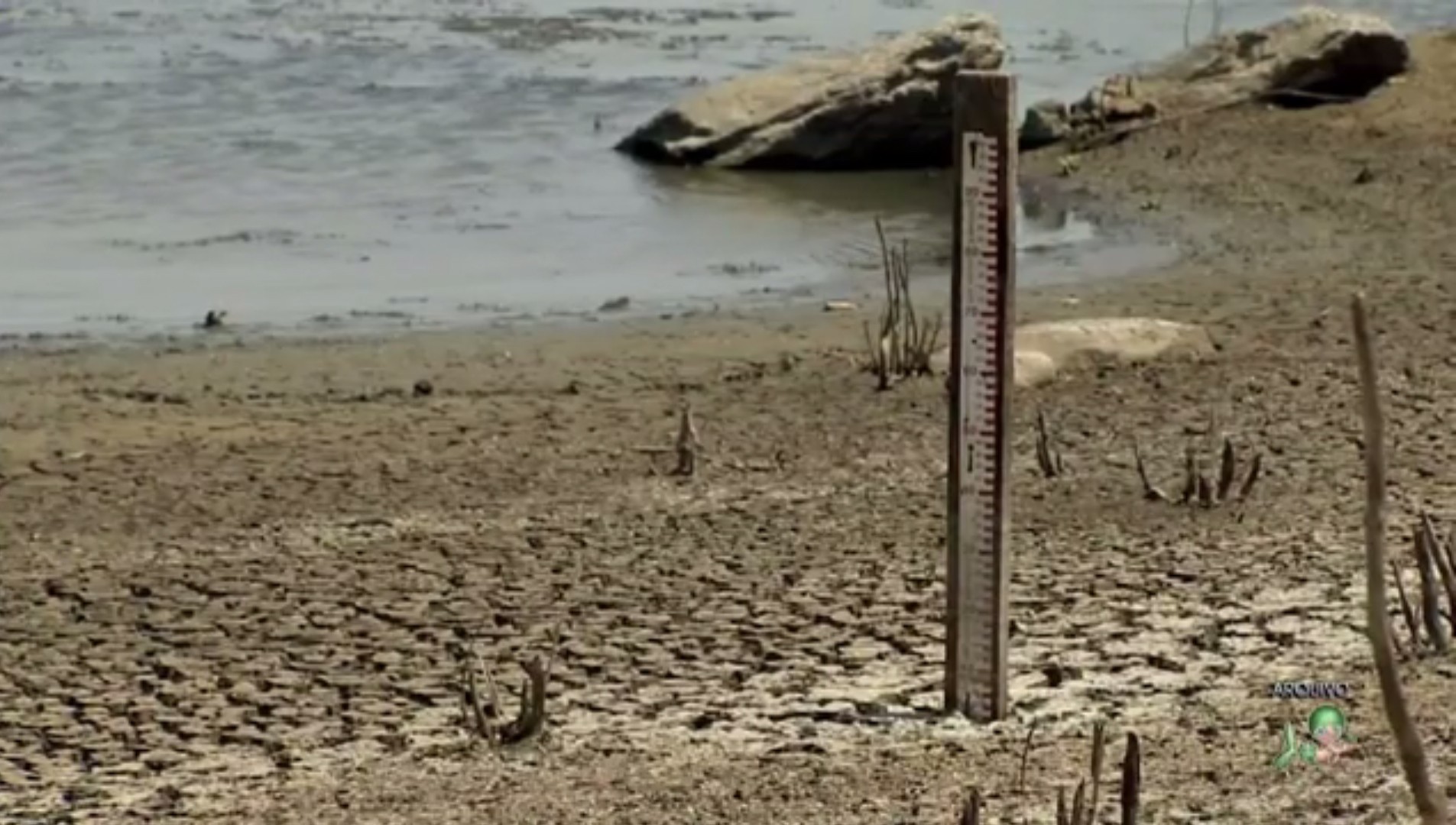
Drought Worsens in Northeast Brazil, Leaving Thousands Without Access to Clean Water
A severe drought has been gripping Northeast Brazil for months, with the latest addition of 26 municipalities in the state of Ceará being declared a state of emergency by the Ministry of National Integration. This brings the total number of municipalities in this situation to 66, with the federal government’s recognition allowing local authorities to request assistance and support for essential services.
The drought has far-reaching consequences, not only for the residents but also for the agricultural sector, which relies heavily on rainfall for crop growth. The prolonged dry spell has led to crop failures, livestock deaths, and a significant impact on the local economy. In an effort to mitigate the effects of the drought, the federal government has released a list of 26 municipalities that will be eligible for emergency funding and assistance.
The History of Drought in Northeast Brazil
Northeast Brazil has long been plagued by droughts, with the region experiencing some of the worst dry spells in the country. The drought of 2012-2013, for example, had a devastating impact on the region, with millions of people affected. The situation was later declared a national emergency by the government, with a significant allocation of funds and resources being made available to alleviate the suffering.
The Role of the Federal Government
The federal government’s recognition of the emergency situation in Ceará will enable local authorities to request assistance and support from the government. This can include funding for emergency services such as Operation Carro-Pipa, which provides aid to affected communities. The government can also provide support for the restoration of water supplies, including the installation of simplified water systems and the construction of emergency water pipelines.
The Impact on Agriculture
The drought has had a devastating impact on the agricultural sector in Ceará, with crop failures and livestock deaths being reported across the state. The lack of rainfall has also affected the production of staple crops such as corn and beans, which are crucial to the local economy. The agricultural sector is a significant contributor to the state’s economy, and the drought has put thousands of farmers and their families at risk.
The Road to Recovery
While the drought has been a significant challenge for the people of Ceará, there is a glimmer of hope on the horizon. The federal government’s recognition of the emergency situation has brought much-needed attention to the issue, and local authorities are working tirelessly to provide aid and support to affected communities. The installation of simplified water systems and the construction of emergency water pipelines are just a few of the measures being taken to restore water supplies and alleviate the suffering of those affected.
In conclusion, the drought in Northeast Brazil has left thousands of people without access to clean water, with a significant impact on the agricultural sector and the local economy. The federal government’s recognition of the emergency situation has brought much-needed attention to the issue, and local authorities are working to provide aid and support to affected communities. While the road to recovery will be long and challenging, there is hope that with the right support and resources, the people of Ceará will be able to overcome this crisis and build a brighter future.
**Keywords:** drought, Northeast Brazil, Ceará, federal government, agriculture, water supplies, emergency services.
Sources:
* Ministry of National Integration
* Secretaria Nacional de Proteção e Defesa Civil
* Defesa Civil do Estado
* Reprodução/TV Verdes Mares