










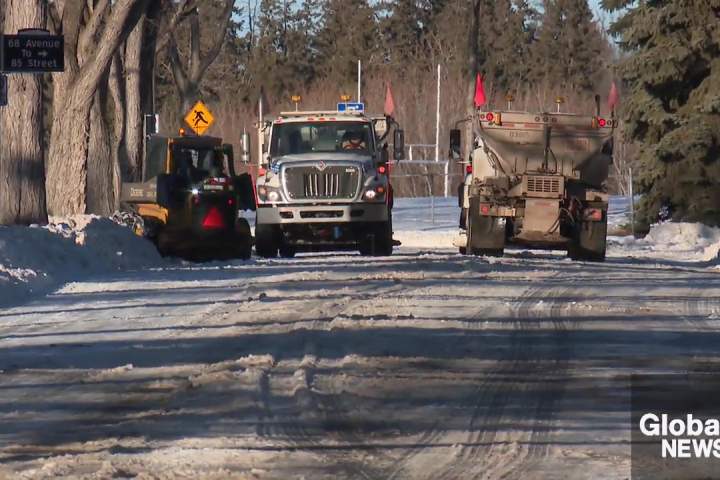
Winter Storm Fallout: Windrow Concerns Linger in Residential Areas
As winter storm cleanup efforts continue across the region, residents are expressing frustration with the lingering windrows left behind on roadways and sidewalks. Despite residential snow-clearing operations being 75% complete, numerous complaints have been flooding in to local news outlets, highlighting the challenges faced by municipalities in maintaining safe and accessible public spaces during extreme weather conditions.
The Windrow Conundrum: Balancing Safety and Convenience
Windrows, also known as snow berms, are formed when snowplows push snow to the side of roads, creating a barrier between the cleared area and the remaining snow. While an essential part of snow-clearing operations, windrows can pose a significant challenge for municipalities, particularly in areas with limited street widths or high foot traffic. The presence of windrows can obstruct sidewalks, making it difficult for pedestrians, including seniors and individuals with disabilities, to navigate safely.
Historical Context: Understanding the Evolution of Snow-Clearing Practices
The use of windrows dates back to the early 20th century, when snowplows were introduced as a means of clearing snow from roads. Initially, windrows were seen as a necessary evil, with municipalities relying on manual labor and basic snowplowing equipment to clear snow. As technology improved, so did snow-clearing practices, with the introduction of newer snowplowing equipment and techniques, such as windrow management. However, despite these advancements, windrows remain a persistent issue, particularly in areas with heavy snowfall and limited resources.
The Future of Snow-Clearing: Innovations and Best Practices
In recent years, municipalities have been exploring innovative solutions to mitigate the impact of windrows, including the use of specialized snowplowing equipment and strategies to minimize windrow formation. For example, some municipalities are adopting “windrow management” techniques, which involve using snowplows to push snow to designated areas, reducing the risk of obstruction. Additionally, some cities are investing in alternative snow-clearing technologies, such as snow-melting systems and green infrastructure, to reduce the need for traditional snowplowing practices.
Conclusion: A Call to Action for Municipalities
As winter storm cleanup efforts continue, it is essential for municipalities to prioritize the safety and accessibility of public spaces, particularly during extreme weather conditions. By adopting innovative solutions and best practices, municipalities can reduce the impact of windrows and ensure that residents can navigate their communities safely and confidently. As the region continues to experience harsh winter conditions, it is crucial for municipalities to reassess their snow-clearing practices and prioritize the needs of their residents.
Source: globalnews.ca