









Early Marriage: A Global Concern
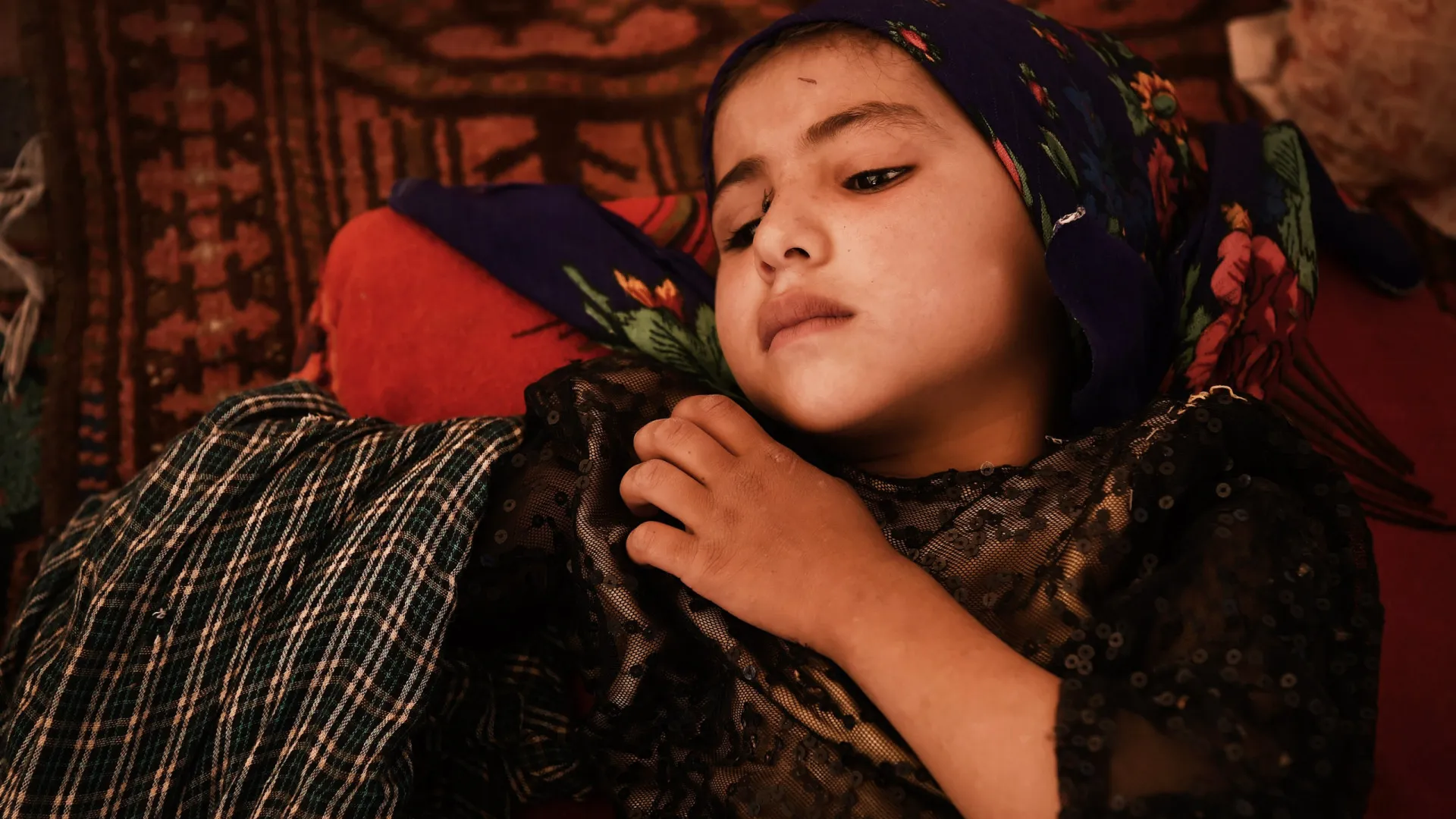
According to a recent report, approximately 15 million girls under the age of 18 are married every year. Breaking down this staggering number, it reveals that a girl is forced into marriage every 30 seconds. This alarming trend raises concerns about the well-being, education, and future prospects of millions of young girls worldwide.
The Prevalence of Child Marriage
Child marriage is a widespread issue, affecting countries across the globe. In some regions, such as South Asia and sub-Saharan Africa, the practice is deeply ingrained in cultural and social norms. In these areas, marriage is often seen as a means to secure financial stability and alleviate poverty. However, this solution comes at a significant cost, as it compromises the girl’s education, health, and long-term prospects.
Historical Context and Cultural Factors
The roots of child marriage can be traced back to ancient times, when girls were often married off at a young age to secure alliances and property. In some cultures, early marriage was also seen as a way to preserve family honor and reputation. Today, while laws and international agreements have been put in place to prohibit child marriage, the practice persists due to a combination of factors, including poverty, lack of education, and social norms.
Consequences of Child Marriage
The consequences of child marriage are far-reaching and devastating. Girls who marry too young are more likely to experience premature pregnancy, maternal mortality, and health complications. They are also more likely to drop out of school, limiting their future prospects and perpetuating the cycle of poverty. Furthermore, child marriage can lead to a loss of autonomy, as girls are often forced to assume domestic and childcare responsibilities, rather than pursuing their education and career aspirations.
Breaking the Cycle
Efforts to combat child marriage are underway, with organizations and governments working together to raise awareness, provide education and economic opportunities, and support girls who have been married too young. Some successful initiatives include education programs, vocational training, and economic empowerment programs, which help girls to develop skills and confidence, ultimately breaking the cycle of poverty and early marriage.
A Call to Action
The statistics are stark, but they also serve as a reminder of the urgent need to address child marriage. As a global community, we must come together to support girls and their families, providing them with the resources and opportunities they need to thrive. By doing so, we can create a brighter future for millions of young girls, one where they are free to pursue their dreams, access quality education, and live healthy, fulfilling lives.
Conclusion
The issue of child marriage is complex and multifaceted, requiring a comprehensive and sustained response. By understanding the historical, cultural, and economic factors that contribute to this practice, we can develop effective strategies to prevent it. As we move forward, it is essential to prioritize the education, health, and well-being of girls worldwide, ensuring that they have the opportunity to reach their full potential and become active contributors to their communities.