





Global Energy Crisis Deepens as Hungary Pressures EU to Lift Russian Oil Sanctions
The ongoing energy crisis has taken another dramatic turn as Hungary has called on the European Union (EU) to suspend sanctions on Russian oil imports. This move comes on the heels of the United States’ decision to temporarily lift restrictions on Russian oil shipments already in transit. The energy landscape is rapidly shifting, driven by a perfect storm of factors, including the escalating conflict in the Middle East and the closure of the strategic Strait of Hormuz.
The Strait of Hormuz: A Critical Global Energy Hub
The Strait of Hormuz, a narrow waterway connecting the Persian Gulf to the Gulf of Oman, is a critical chokepoint for global oil supplies. Approximately 20% of the world’s oil production passes through this strategic waterway, with the majority of it coming from the oil-rich nations of the Gulf Cooperation Council (GCC). The recent closure of the strait, caused by escalating tensions between Iran and the United States, has sent shockwaves through the global energy market, driving up prices and sparking concerns about supply disruptions.
The Energy Crisis: A Perfect Storm
The energy crisis has been brewing for months, fueled by a combination of factors, including the ongoing conflict in Ukraine, the COVID-19 pandemic, and a surge in global demand for energy. The resulting price hike has sent shockwaves through the global economy, with far-reaching implications for industries, households, and governments. As the crisis deepens, countries are increasingly looking for ways to alleviate the pressure, with the EU’s decision on Russian oil sanctions being a critical juncture in the global energy landscape.
Hungary’s Plea to the EU: A Critical Moment
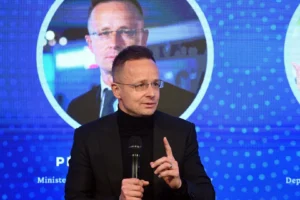
Hungary’s call on the EU to suspend sanctions on Russian oil imports is a stark reminder of the complex geopolitics at play in the global energy market. Budapest’s decision is likely driven by a desire to secure a reliable energy supply, particularly in the face of rising tensions with neighboring countries. The move is also a testament to the EU’s internal divisions, with some members pushing for a more hawkish stance on Russia, while others, like Hungary, are advocating for a more pragmatic approach.
The Future of Energy: A Complex and Uncertain Landscape
As the global energy landscape continues to evolve, one thing is clear: the future of energy will be shaped by a complex interplay of geopolitics, technology, and market forces. The ongoing crisis highlights the need for sustainable, reliable, and affordable energy solutions, as well as the importance of international cooperation to address the pressing energy challenges of our time. As the world grapples with the consequences of the energy crisis, one thing is certain: the stakes are high, and the choices we make today will shape the course of history for generations to come.