






Brazil’s Diplomatic Shift: A Closer Look at the Country’s Relations with Iran
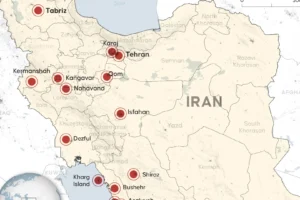
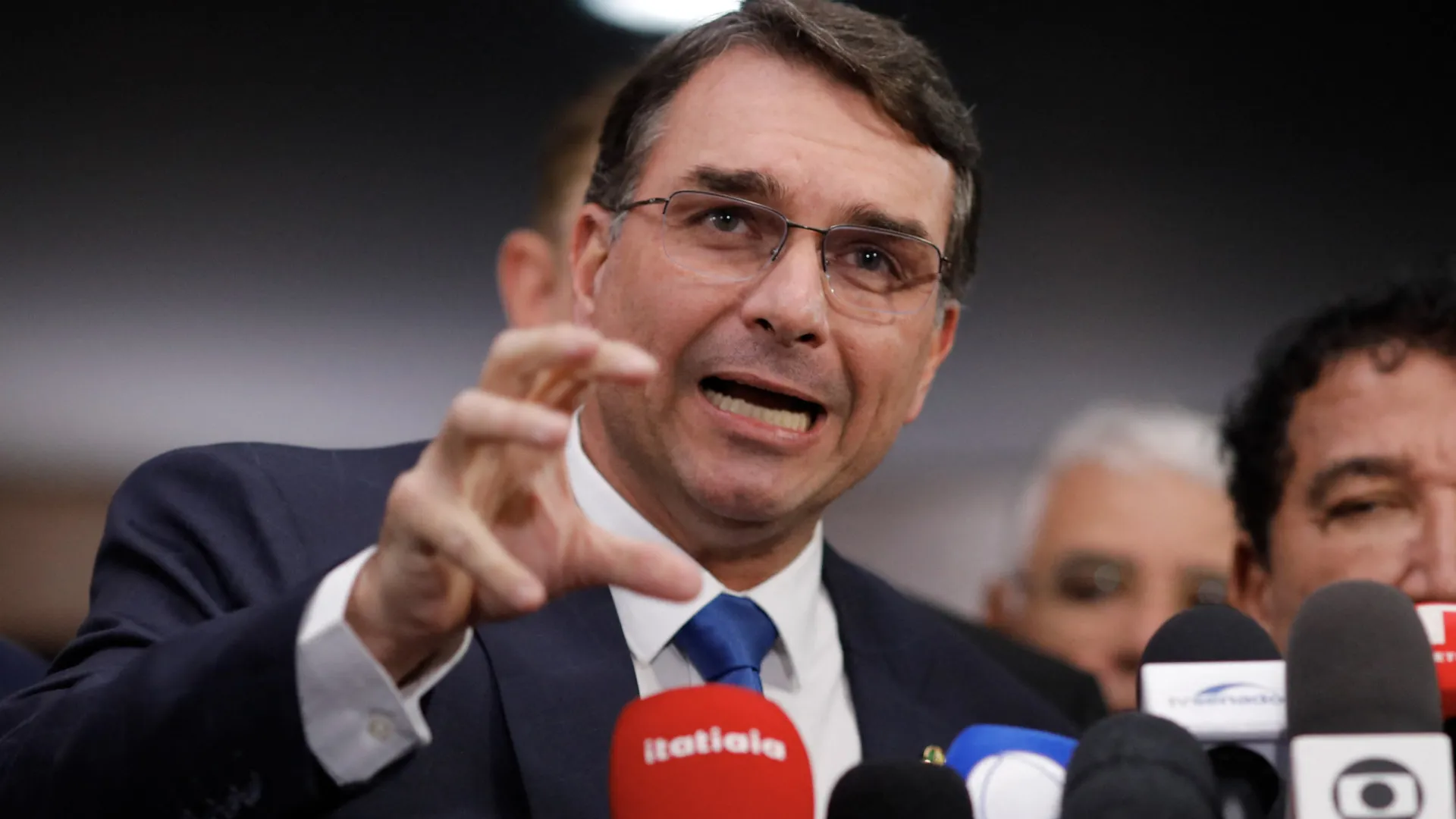
In a recent statement, Brazilian politician Flávio emphasized the country’s stance on the ongoing conflict between Iran and the international community, sparking a renewed debate about Brazil’s diplomatic trajectory. On the surface, the discussion revolves around Brazil’s support for Iran, but beneath the surface lies a complex web of historical, economic, and strategic factors that have shaped this delicate relationship.
A Historical Context: Brazil’s Relations with Iran
To understand Brazil’s current stance, it is essential to delve into the country’s historical ties with Iran. Since the 1970s, Brazil has maintained a cautious approach towards Iran, balancing its economic interests with concerns about the country’s human rights record and regional influence. In the early 2000s, Brazil began to strengthen its diplomatic ties with Iran, largely driven by the desire for increased trade and energy cooperation. This shift was exemplified by then-President Luiz Inácio Lula da Silva’s visit to Iran in 2003, where he signed agreements on nuclear cooperation and energy development.
The 2015 Nuclear Deal: A Turning Point in Brazil-Iran Relations
The 2015 Joint Comprehensive Plan of Action (JCPOA) between Iran and the P5+1 (the United States, United Kingdom, France, Germany, China, and Russia) marked a significant turning point in Brazil-Iran relations. The deal, which aimed to curb Iran’s nuclear program in exchange for sanctions relief, was widely seen as a diplomatic victory for Iran. Brazil, under President Dilma Rousseff, welcomed the agreement, viewing it as a crucial step towards regional stability and non-proliferation. However, the deal’s collapse in 2018, following the United States’ withdrawal, left Brazil and Iran facing a new reality.
The Present Dilemma: Brazil’s Support for Iran
In the midst of this complex landscape, Brazil’s current government has adopted a stance of support for Iran, which has been met with criticism from various quarters. Flávio’s statement, highlighting Brazil’s backing for Iran, underscores the country’s perceived alignment with the Iranian regime. This stance has raised concerns about Brazil’s commitment to human rights and democracy, given Iran’s questionable record on these issues. Moreover, Brazil’s support for Iran may be seen as a departure from its traditional alignment with Western countries, potentially straining its relationships with key allies.
The Future Implications: Brazil’s Place in the Global Arena
As Brazil navigates its relationships with Iran and other global players, it must navigate a delicate balance between its economic interests, regional influence, and commitments to human rights and democracy. The country’s diplomatic shift towards Iran highlights the need for a nuanced approach to its foreign policy, one that takes into account the complexities of the Middle East and the evolving global landscape. As Brazil seeks to assert its place on the world stage, it must carefully consider the implications of its actions, lest it find itself isolated or marginalized in the eyes of the international community.
In conclusion, Brazil’s support for Iran is a symptom of a broader diplomatic shift, one that reflects the country’s desire for increased regional influence and economic cooperation. However, this stance also raises critical questions about Brazil’s commitment to human rights and democracy, as well as its alignment with the international community. As Brazil continues to navigate this complex landscape, it must prioritize a balanced and informed approach to its foreign policy, one that takes into account the multifaceted nature of its relationships with countries like Iran.