









Landslide in Indonesia’s Largest Landfill Leaves Trail of Destruction
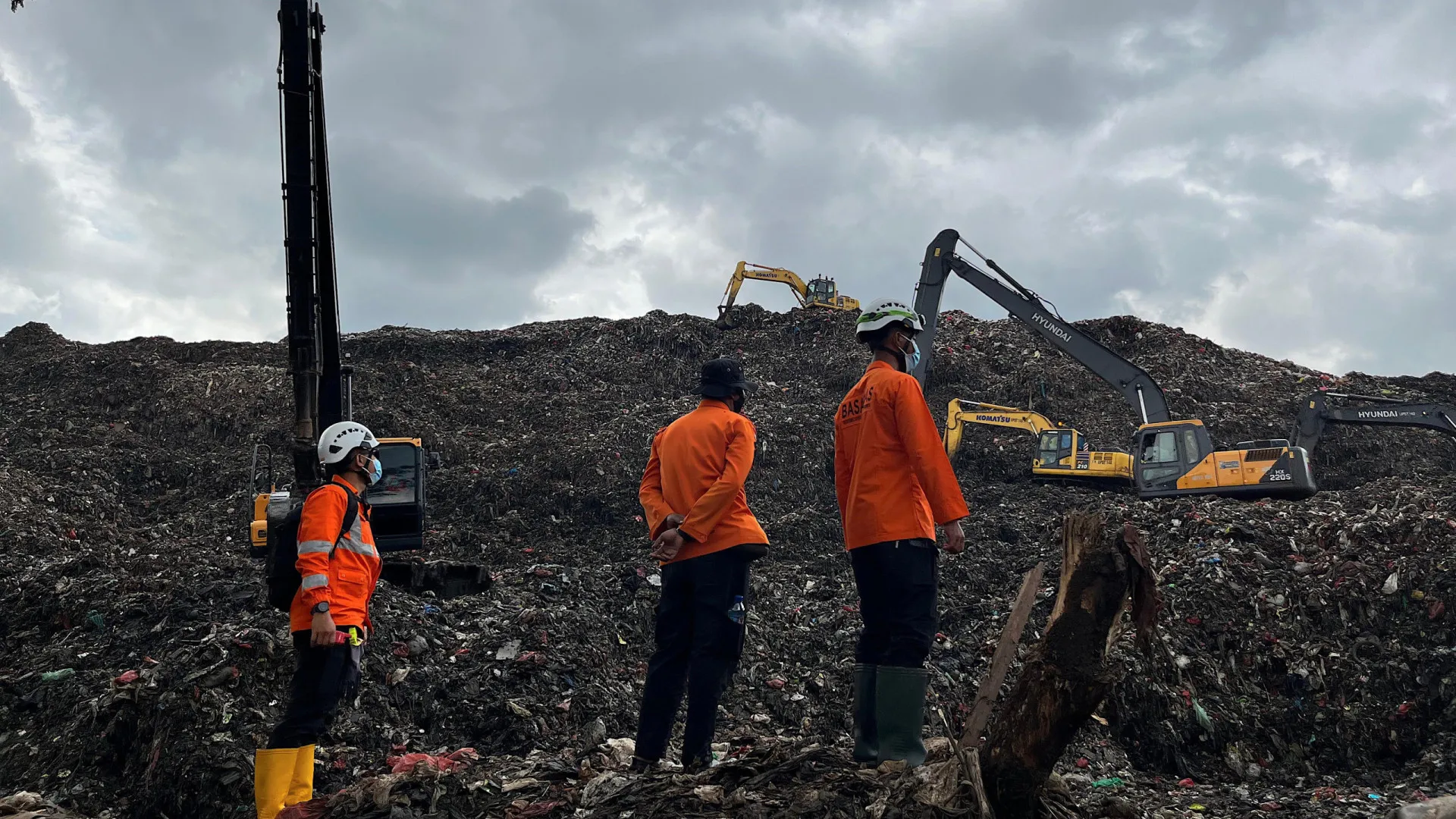
A devastating landslide at Indonesia’s largest landfill has claimed the lives of seven people, according to official reports. The catastrophic event occurred after heavy rainfall during the night led to the collapse of the massive waste dump, located in the heart of the country.
Heavy Rainfall Exposes Indonesia’s Waste Management Woes
The incident serves as a stark reminder of Indonesia’s long-standing struggles with waste management. The country’s population of over 270 million generates a staggering amount of waste, with many areas lacking adequate infrastructure to handle the disposal of solid waste. The collapse of the landfill highlights the urgent need for sustainable waste management practices in Indonesia.
The Consequences of Neglect
The effects of heavy rainfall on Indonesia’s waste management systems have been evident for years. Flooding and landslides have become increasingly common, particularly in areas with inadequate waste management infrastructure. In 2014, a massive landslide at a coal mine in East Kalimantan killed 11 people, while in 2018, severe flooding in Jakarta left thousands of residents stranded. These incidents underscore the need for proactive measures to mitigate the risks associated with heavy rainfall and inadequate waste management.
A History of Neglect
Indonesia’s waste management challenges are not new. The country’s waste generation has been increasing steadily over the years, with the average Indonesian generating around 0.7 kilograms of waste per day. The lack of effective waste management infrastructure has led to the proliferation of unauthorized landfills, often located in close proximity to residential areas. The collapse of the landfill serves as a grim reminder of the consequences of neglecting the country’s waste management needs.
Looking Ahead
In the wake of this tragedy, the Indonesian government is under pressure to address the country’s waste management woes. The incident has sparked renewed calls for the implementation of sustainable waste management practices, including the development of more effective waste disposal infrastructure and the promotion of recycling and waste reduction initiatives. As Indonesia continues to grapple with the consequences of this disaster, it is essential to recognize the urgent need for a comprehensive approach to waste management that prioritizes public health and environmental sustainability.
Conclusion
The collapse of Indonesia’s largest landfill serves as a stark reminder of the devastating consequences of neglecting waste management needs. As the country looks to rebuild and recover from this tragedy, it is essential to prioritize the development of sustainable waste management practices that prioritize public health and environmental sustainability.