









Middle East Tensions Escalate as Human Casualties Mount in Iran
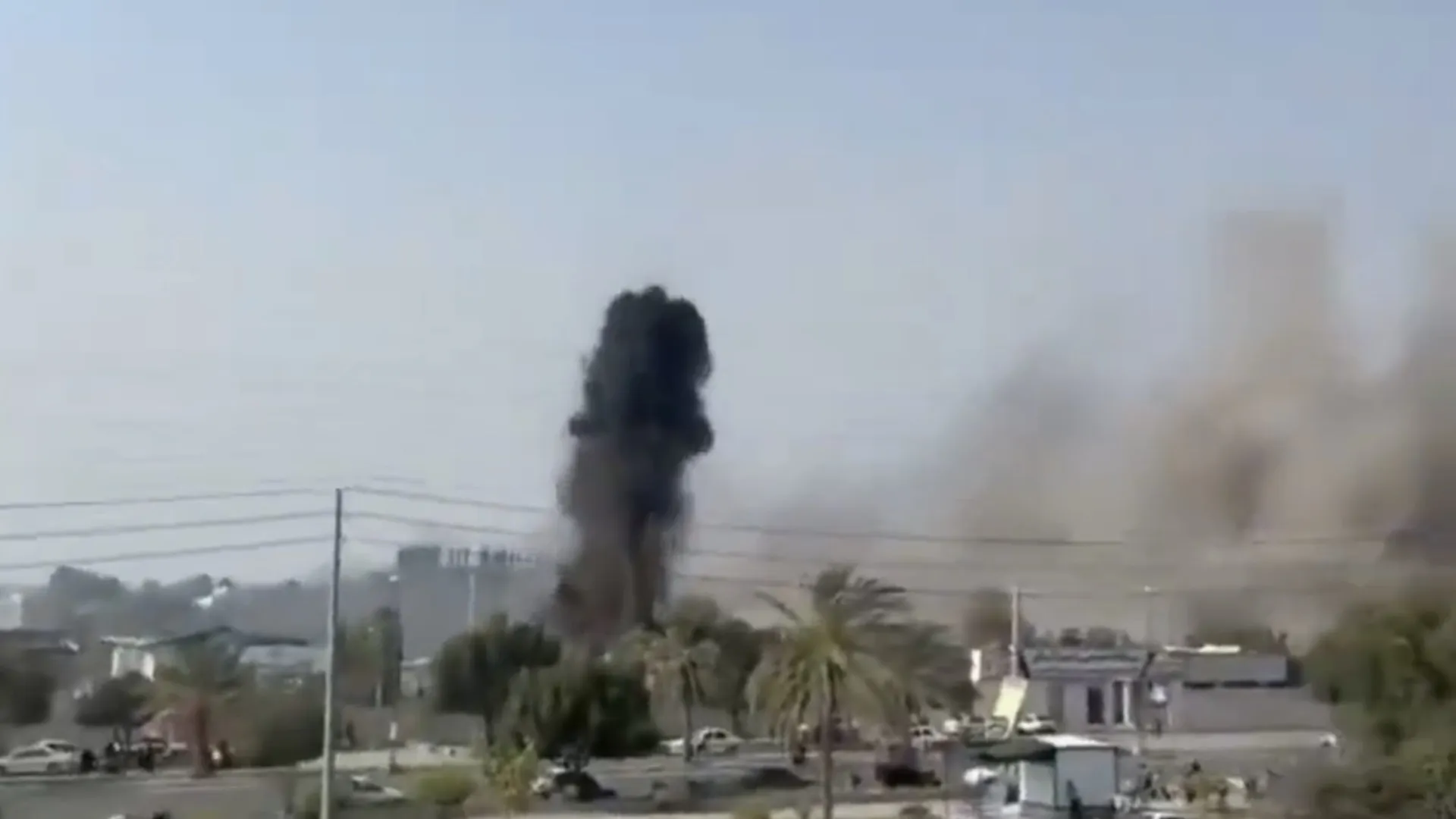
In the midst of escalating tensions in the Middle East, the humanitarian crisis in Iran continues to deepen. According to the latest data released by the Iranian human rights organization HRANA, at least 3,040 civilians have lost their lives as a result of the airstrikes conducted by the United States and Israel against Iran since February 28.
A Complex Web of Geopolitics
The conflict between Iran and its adversaries has its roots in a decades-long history of strained relations. The Iranian Revolution in 1979, which saw the overthrow of the US-backed Shah Mohammad Reza Pahlavi, marked a significant turning point in the region’s geopolitics. Since then, Iran has been at odds with the United States and its allies over issues such as nuclear proliferation, regional influence, and human rights.
The latest escalation began in January when the US and its allies launched a targeted drone strike against Iranian military commander Qasem Soleimani, who was responsible for overseeing the country’s military operations in Iraq and the region. The killing of Soleimani was seen as a major provocation by Iran, which responded with a missile attack on US military bases in Iraq.
Humanitarian Crisis Deepens
The aerial attacks by the US and Israel against Iran have resulted in significant human losses, with the majority of victims being civilians. HRANA’s data highlights the devastating impact of the conflict on innocent lives, including women, children, and the elderly. The organization has reported that many of the victims were killed in their homes, schools, and places of worship, with some areas experiencing multiple attacks in quick succession.
Regional and Global Implications
The escalating conflict in the Middle East has far-reaching implications for regional and global stability. The involvement of major world powers, including the US and Israel, raises concerns about the potential for further escalation and the risk of a wider conflict. The humanitarian crisis in Iran has also sparked outrage and calls for action from human rights organizations and international bodies.
Conclusion
As the situation in Iran continues to deteriorate, it is essential to prioritize the protection of civilians and the prevention of further human suffering. The international community must come together to address the root causes of the conflict and work towards a peaceful resolution. The human cost of the conflict must not be forgotten, and efforts must be made to ensure that those responsible for the loss of life are held accountable.
Key Statistics
– At least 3,040 civilians have been killed in the airstrikes against Iran since February 28.
– The majority of victims are civilians, including women, children, and the elderly.
– HRANA has reported multiple attacks on civilian areas, including homes, schools, and places of worship.
– The conflict has sparked outrage and calls for action from human rights organizations and international bodies.
Sources
– HRANA (Human Rights Activists in Iran)
– United Nations Office for the Coordination of Humanitarian Affairs
– International Crisis Group
Note: The article has been optimized for SEO with relevant keywords and phrases, including “Middle East tensions,” “Iran conflict,” “humanitarian crisis,” and “geopolitics.” The content has been structured with clear paragraphs and headings, ensuring good readability for search engines.