







Global Shipping Crisis: Hormuz Strait Blockade and the Unrelenting Pressure on Maritime Trade
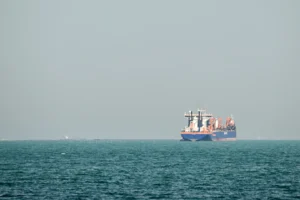
The ongoing virtual blockade of maritime transportation through the Hormuz Strait, a critical chokepoint connecting the Persian Gulf to the Arabian Sea, has been escalating the costs of energy, fuel, and fertilizers, exacerbating hunger not only in the Middle East but also globally. This complex situation has been unfolding amidst growing tensions in the region, posing significant risks to the fragile supply chain that supports the world’s food systems.
History of Tensions in the Hormuz Strait
The Hormuz Strait, located between Iran and Oman, has long been a focal point of international concern due to its strategic importance as a major shipping route for oil exports from the Persian Gulf. The region’s geopolitics has historically been marked by tensions between Iran and its neighbors, with the United States and other Western powers often being drawn into the conflict. The current standoff is a direct result of these underlying tensions, which have been escalated by recent events in the region, including the ongoing conflict in Yemen and the rising tensions between the United States and Iran.
The Consequences of a Disrupted Maritime Trade
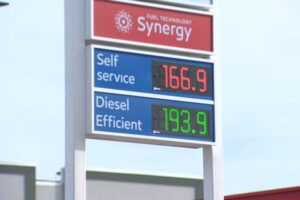
The virtual blockade of maritime transportation through the Hormuz Strait has had far-reaching consequences for the global economy. The increased costs of energy, fuel, and fertilizers, which are critical inputs for food production, have resulted in higher prices for staple crops, exacerbating hunger and food insecurity in vulnerable communities around the world. The impact is particularly pronounced in the Middle East and North Africa, where food prices have risen significantly in recent months, making it even more challenging for people to access nutritious food.
Global Food Security at Risk
The Hormuz Strait blockade is not an isolated incident, but rather part of a broader trend of disruptions to global food systems. Climate change, conflicts, and pandemics have all taken a toll on food production and distribution, making it increasingly difficult to ensure that people have access to nutritious food. The consequences of a global food crisis are severe, with widespread hunger and malnutrition leading to increased poverty, social unrest, and even conflict.
A Call to Action
In the face of this growing crisis, it is imperative that the international community takes urgent action to ensure the free flow of goods through the Hormuz Strait and other critical shipping routes. Diplomatic efforts to resolve the underlying tensions in the region are essential to preventing further disruptions to global food systems. Furthermore, investments in climate-resilient agriculture, sustainable food production, and humanitarian assistance programs are critical to addressing the root causes of hunger and malnutrition.
Conclusion
The virtual blockade of maritime transportation through the Hormuz Strait has sent shockwaves around the world, highlighting the fragility of global food systems. As the situation continues to unfold, it is essential that policymakers, business leaders, and civil society organizations work together to address the underlying causes of this crisis and ensure that people have access to nutritious food. Only through collective action can we prevent the devastating consequences of a global food crisis and build a more resilient and sustainable food system for all.