









Middle East Tensions Escalate: Regional Confrontation Takes Deadlock
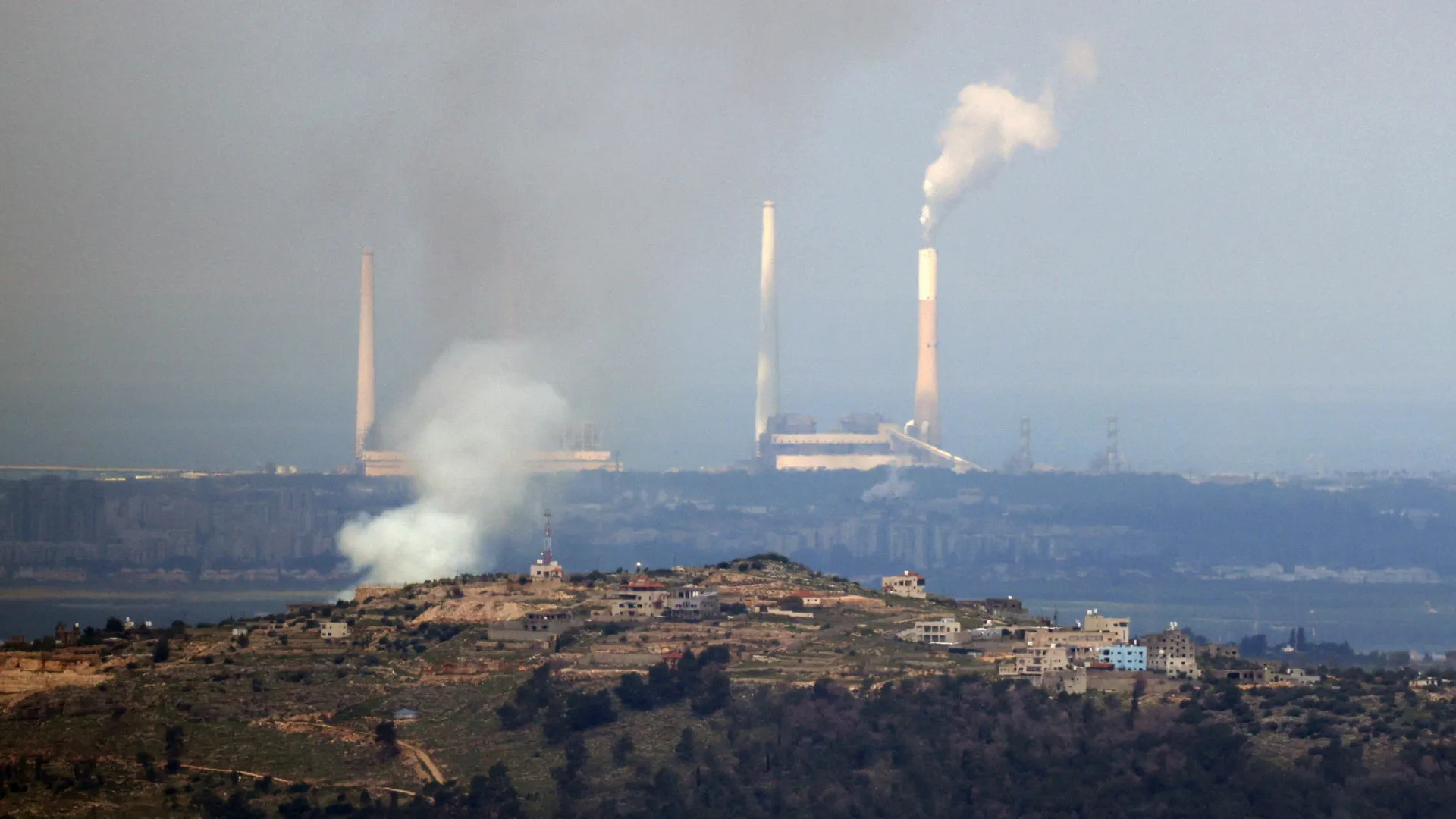
The ongoing conflict in the Middle East has taken a dramatic turn, with targeted attacks on strategic locations and escalating regional tensions. Concurrently, explosions have rocked the Lebanese capital, further exacerbating an already volatile situation. The Israeli military has intensified its operations against the Hezbollah militant group, prompting a swift response from Iran. This intricate dance of military movements and counter-moves has brought the region to the brink of a catastrophic confrontation.
Historical Context: A Longstanding Conflict
The current standoff between Israel and Hezbollah is deeply rooted in the complexities of the Middle East’s turbulent history. The Israeli occupation of southern Lebanon in the 1980s and the subsequent formation of Hezbollah as a resistance movement laid the groundwork for the longstanding conflict. The group’s military prowess and ideological affinity with Iran have made it a formidable force in the region, drawing repeated Israeli military interventions.
Recent Developments: A New Escalation
In recent weeks, the conflict has escalated significantly, with Israel launching airstrikes against Hezbollah targets in Lebanon. The group has retaliated with rocket attacks on Israeli territory, prompting a severe response from the Israeli military. The escalation has led to a significant increase in regional tensions, with other countries in the region, including Iran and Syria, becoming increasingly entangled in the conflict.
Lebanese Capital Rocked by Explosions
The Lebanese capital, Beirut, has been hit by a series of explosions, further exacerbating the already fragile security situation. The blasts have caused widespread damage and casualties, with many residents forced to flee their homes. The explosions have also raised concerns about the potential for a larger conflict to spill over into the city, potentially drawing in other regional actors.
Iran’s Response and Regional Implications
Iran has responded swiftly to the Israeli military’s operations against Hezbollah, with reports of Iranian military advisers and personnel being deployed to the region. The Iranian government has vowed to support its Lebanese allies, further escalating the conflict. The involvement of Iran, a major regional player, has significant implications for the conflict’s trajectory, potentially drawing in other countries and further destabilizing the region.
Consequences and Future Implications
The ongoing conflict in the Middle East has far-reaching consequences, with the potential to destabilize the entire region. The Israeli military’s operations against Hezbollah, coupled with Iran’s swift response, has created a volatile situation with unpredictable outcomes. The consequences of a larger conflict could be catastrophic, drawing in other countries and potentially leading to a regional war.
Conclusion
The Middle East conflict has taken a dramatic turn, with targeted attacks on strategic locations and escalating regional tensions. The situation remains volatile, with the potential for a larger conflict to spill over into the region. As the situation continues to unfold, international observers will be closely monitoring the situation, seeking to mitigate the consequences of a potential regional war. The complexities of the conflict and the involvement of major regional players make it a pressing concern for international diplomacy and a critical issue for regional stability.