










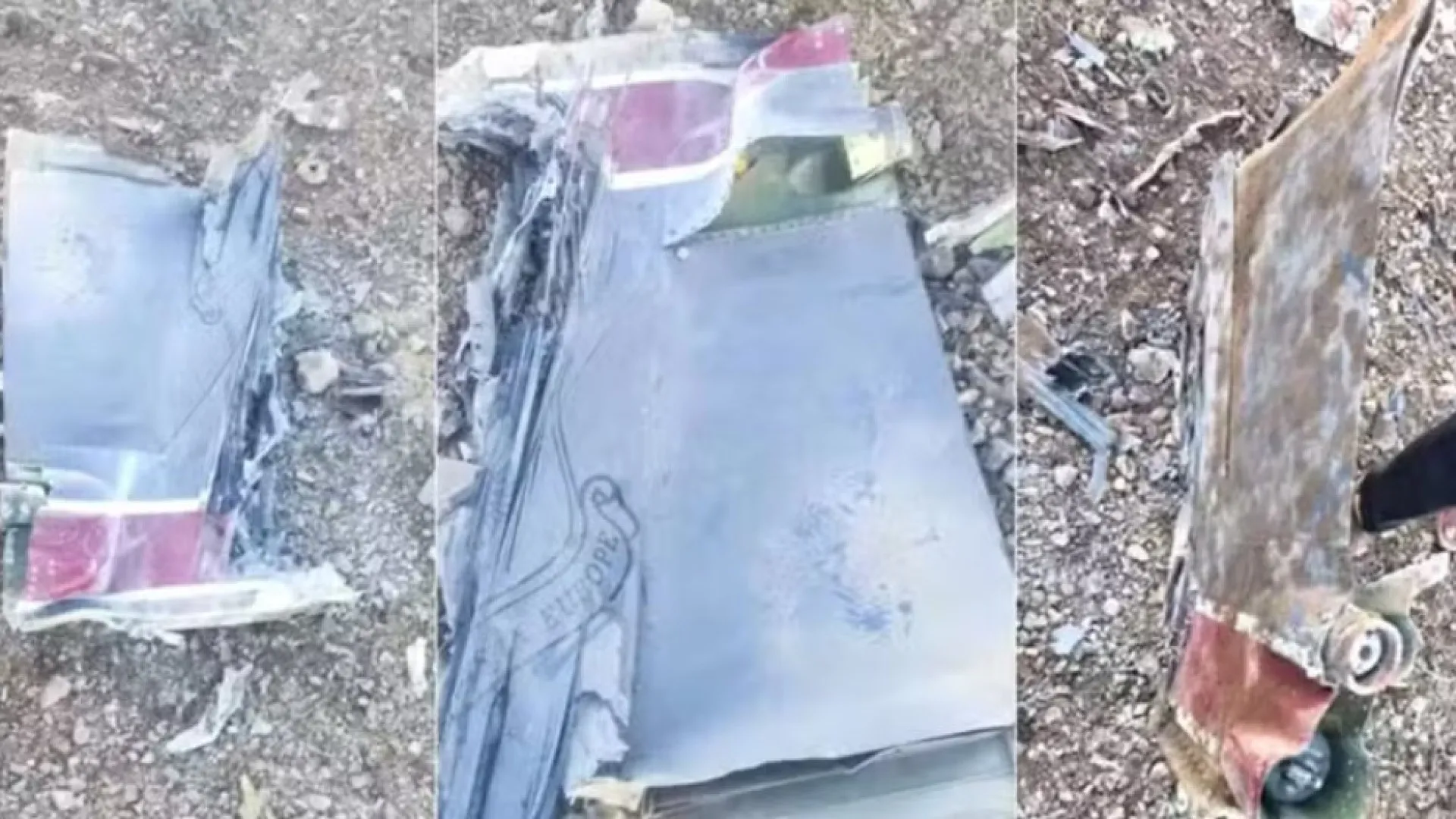
Iranian State TV Deploys 24-Hour Coverage to Promote Military Action and Capture of Fugitive Pilot
In a coordinated effort to heighten awareness about the ongoing military operation, the Iranian state television has embarked on a 24-hour broadcast to emphasize the importance of capturing a missing pilot. The move is seen as a strategic attempt to engage the public and encourage their participation in the search efforts.
The pilot, whose identity remains undisclosed, is believed to have been involved in a recent incident involving the Iranian military. To further incentivize the public’s cooperation, the Iranian government has announced a substantial reward of $60,000 for anyone who can provide information leading to the safe capture of the pilot. The reward is offered by the Iranian Army and local authorities, and its amount reflects the government’s determination to bring the fugitive back into custody.
The Role of Propaganda in Iranian Military Operations
The use of state television as a propaganda tool is not new in Iran. Throughout its history, the Iranian government has employed various forms of media to promote its military actions and shape public opinion. In the context of the ongoing military operation, the 24-hour broadcast can be seen as a manifestation of this strategy.
Historical Context: Iranian Military Operations and Public Engagement
Iran’s military operations, particularly those related to its nuclear program, have been the subject of intense scrutiny and controversy in recent years. The country’s military doctrine emphasizes the importance of domestic support and public participation in military operations. This approach is in line with the principles laid out by the Iranian Supreme Leader, Ayatollah Ali Khamenei, who has consistently emphasized the need for national unity and collective action in the face of external threats.
In the context of the current operation, the Iranian government’s decision to offer a substantial reward for information leading to the capture of the fugitive pilot reflects its commitment to engaging the public in the search efforts. The move is also seen as a means of countering the narrative of opposition groups, which have been actively working to undermine the Iranian government’s efforts.
Future Implications: The Role of Public Engagement in Iran’s Military Operations
The use of public engagement as a means of supporting military operations has significant implications for Iran’s military doctrine. As the country continues to face external threats and domestic challenges, its ability to mobilize public support will play a crucial role in shaping its military strategy.
While the current operation is focused on capturing a single individual, the broader implications of public engagement in Iranian military operations extend far beyond this specific incident. As the country continues to navigate its complex geopolitical landscape, the role of public support and engagement will become increasingly important in shaping its military actions and outcomes.
In conclusion, the Iranian state television’s 24-hour broadcast serves as a manifestation of the government’s commitment to engaging the public in military operations. As the country continues to face external threats and domestic challenges, its ability to mobilize public support will play a crucial role in shaping its military strategy and outcomes.