









Middle East Tensions Escalate as Maritime and Aerial Conflicts Intensify
In recent days, a series of escalating conflicts has rocked the Middle East, with multiple incidents involving drones, naval vessels, and aerial strikes. As tensions continue to rise, the international community remains on high alert, bracing for potential further consequences.
Maritime Confrontations: Drones Target Cargo Ships
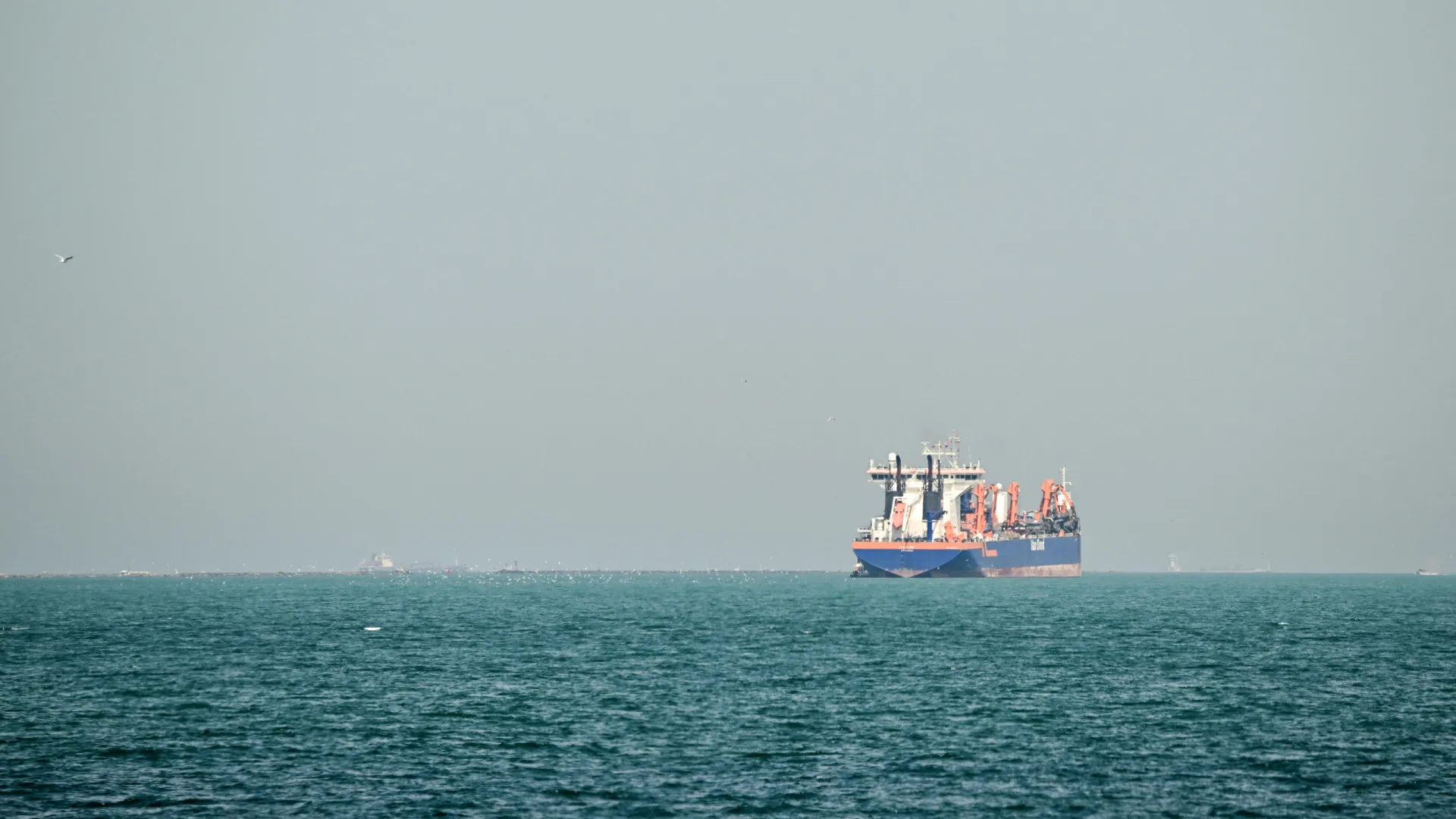
At least three cargo ships have reportedly been hit by drones in the region, sparking concerns about the increasing threat of drone attacks on maritime vessels. While details are still emerging, experts warn that such incidents could have significant implications for global trade and commerce. The use of drones to target cargo ships highlights the growing vulnerability of commercial vessels to asymmetric threats, underscoring the need for enhanced security measures and protocols.
US Naval Operations: Mine-Laying and Aerial Strikes
In a separate development, American naval forces have reportedly laid mines in the region, targeting at least 16 vessels. According to sources, these operations are part of a broader effort to contain and counter Iranian aggression. The deployment of mines in this context is a significant escalation of the naval conflict, potentially drawing in other regional powers and increasing the risk of miscalculation.
Dubai Airport Incident: Four Injured in Unidentified Attack
In a separate incident near Dubai International Airport, four individuals were reportedly injured in an unidentified attack. While details about the nature and perpetrators of the attack are still unclear, the incident highlights the increasing risk of terrorist or extremist activity in the region. Airport security has been heightened, with authorities scrambling to assess the situation and prevent further incidents.
Israel Launches Aerial Strikes Against Iranian and Hezbollah Targets
In a coordinated response to recent Iranian aggression, Israel has launched a series of aerial strikes against targets in Teheran and Beirut. These operations are part of a broader effort to counter Iranian influence and capabilities in the region. The strikes underscore the growing tensions between Israel and Iran, which continues to pose a significant threat to regional stability.
Historical Context and Implications
The current escalation of tensions in the Middle East is part of a longer-term pattern of conflict and competition in the region. The rivalry between Iran and Saudi Arabia, as well as the ongoing Israeli-Palestinian conflict, have contributed to an environment of heightened tensions and increased military activity. As the situation continues to unfold, regional powers and international actors must navigate the complex web of alliances, rivalries, and interests to prevent further escalation and promote stability.
Conclusion
The current crisis in the Middle East highlights the urgent need for diplomacy, dialogue, and cooperation to address the region’s pressing security challenges. As tensions continue to rise, the international community must remain vigilant, working to prevent further escalation and promote a more stable and secure environment. By understanding the complexities of the region and the drivers of conflict, we can better navigate the challenges ahead and work towards a more peaceful and prosperous future for all.