







Iran Mourns the Loss of Ayatollah Ali Khamenei: A Nation in Grief
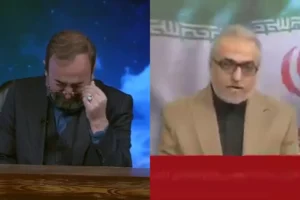
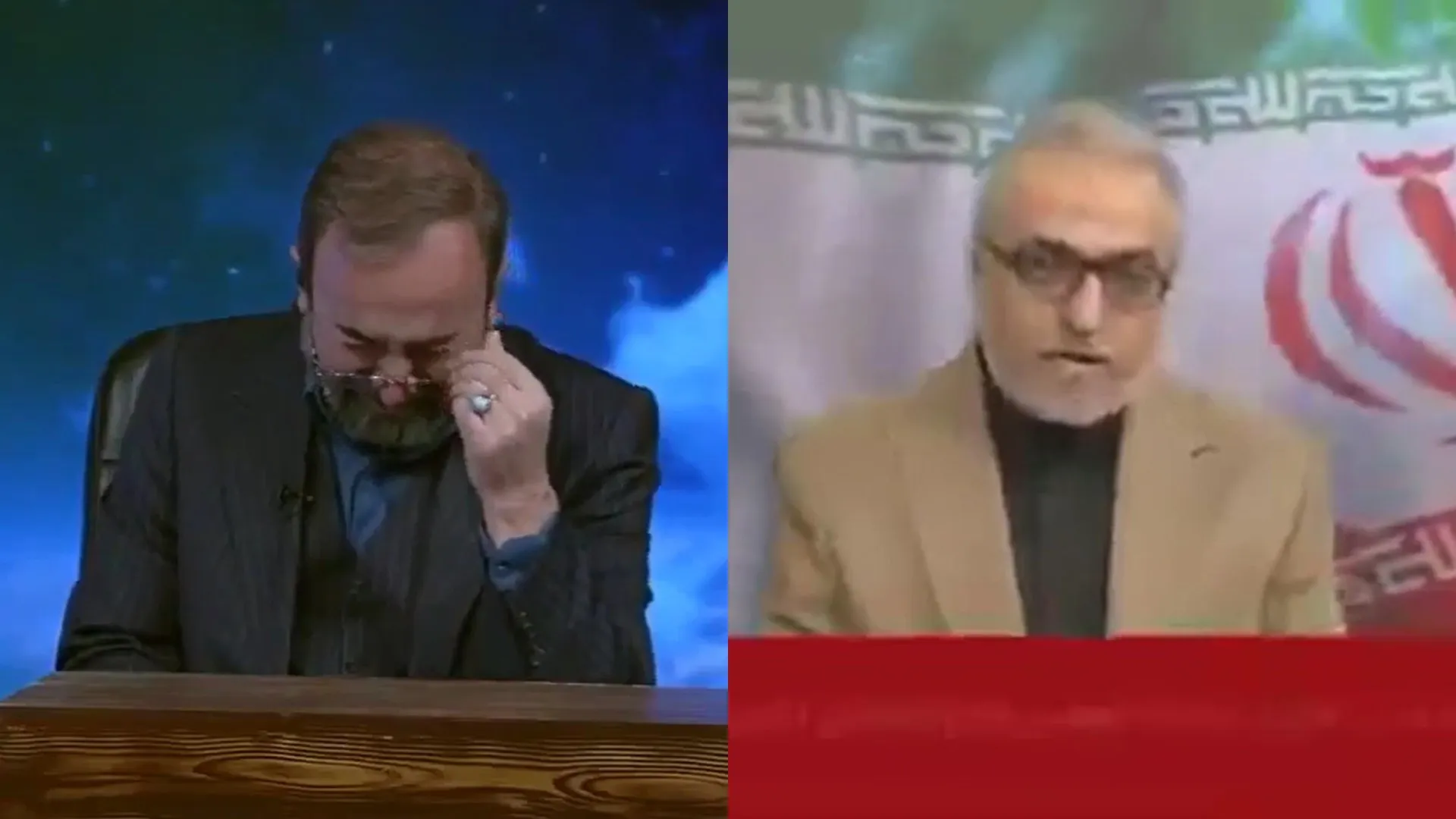
The passing of Ayatollah Ali Khamenei, the Supreme Leader of Iran, was officially announced on television, marking a significant moment in the country’s history. The somber declaration was made by a state television presenter, who struggled to maintain composure, while another presenter delivered the news with a more subdued tone.
A Legacy of Leadership
Ayatollah Khamenei served as the Supreme Leader of Iran since 1989, following the death of Ayatollah Khomeini. During his tenure, he played a crucial role in shaping the country’s domestic and foreign policies. Under his leadership, Iran has maintained a strong stance on regional issues, including the Israeli-Palestinian conflict and the Syrian Civil War. Khamenei’s influence extended beyond Iran’s borders, as he was a vocal critic of Western powers, particularly the United States.
A Complex Figure
Ayatollah Khamenei’s legacy is complex and multifaceted. While he was a devout Shia cleric, he also demonstrated a pragmatic approach to governance. He oversaw significant economic development, particularly in the energy sector, and invested heavily in Iran’s military capabilities. However, his rule has also been marked by human rights abuses and a lack of free speech. The regime’s crackdown on dissent and opposition has led to widespread criticism from human rights groups and international organizations.
The Impact on Iranian Society
The loss of Ayatollah Khamenei has sent shockwaves throughout Iranian society. The country has been in a state of mourning, with flags lowered to half-mast and tributes pouring in from across the nation. Iran’s leadership has announced a period of national mourning, during which government offices and businesses will remain closed. The Supreme Leader’s death has also raised questions about the future of the country’s leadership, with many speculating about the potential successors.
Regional Implications
Ayatollah Khamenei’s passing has significant implications for regional politics. Iran’s neighbors, particularly Saudi Arabia and the United Arab Emirates, have long been wary of Iran’s growing influence in the region. The vacuum left by Khamenei’s departure could create an opportunity for rival powers to exert their influence in Iran. The international community will be watching closely as Iran navigates this transition period.
Conclusion
The official announcement of Ayatollah Ali Khamenei’s death has sent shockwaves throughout Iran and the wider region. His legacy is complex, marked by both significant economic development and human rights abuses. As the country mourns the loss of its Supreme Leader, the international community will be watching closely as Iran navigates this critical period in its history.