









Iran’s Foreign Minister Threatens Military Action Amid Rising Tensions with the US
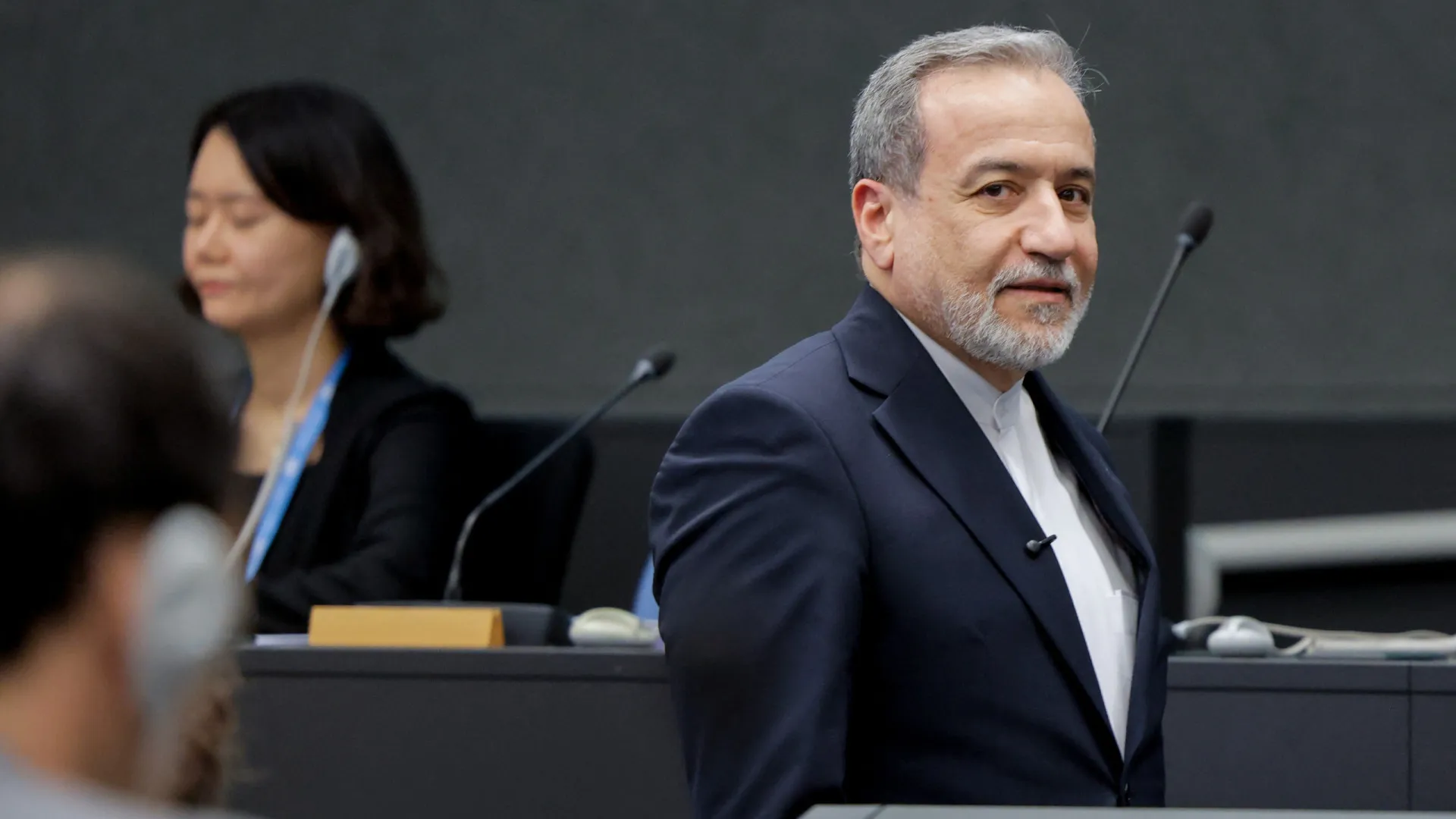
The Middle East has been a hotspot of international tensions in recent years, with various countries engaging in a delicate dance of diplomacy and military posturing. The latest development in this complex landscape comes from Iran, where Foreign Minister Hossein Amir-Abdollahian has issued a stark warning to the United States. In a statement that has sent shockwaves around the world, Amir-Abdollahian declared that Iran is ready to defend itself as needed, emphasizing that the country has already lost lives due to the US President’s desire to initiate a war “because it’s fun.”
A History of Tensions: The Complex Relationship between Iran and the US
The relationship between Iran and the United States has been fraught with tension for decades. The CIA-backed coup in 1953, which overthrew the democratically-elected government of Prime Minister Mohammad Mosaddegh, marked the beginning of a long and complex history of US-Iranian relations. In 1979, Iran’s Islamic Revolution led to the establishment of the current theocratic government, which has been a major point of contention with the US. The US Embassy hostage crisis, which lasted for 444 days, further exacerbated the tensions between the two nations.
The current tensions between Iran and the US can be attributed, in part, to the Trump administration’s withdrawal from the Joint Comprehensive Plan of Action (JCPOA), also known as the Iran nuclear deal. The deal, negotiated by the Obama administration and signed in 2015, aimed to limit Iran’s nuclear program in exchange for relief from economic sanctions. However, the Trump administration’s withdrawal from the pact in 2018 led to a significant escalation of tensions, with both countries engaging in a series of provocative actions.
The Impact of Military Action on the Region
The prospect of military action between Iran and the US has significant implications for the entire region. The Gulf Cooperation Council (GCC) countries, which include Saudi Arabia, the United Arab Emirates, and Bahrain, have expressed concerns about the potential consequences of such an escalation. The GCC countries have long been wary of Iranian expansionism and have taken steps to counter Iran’s influence in the region.
In addition, the potential for military action between Iran and the US also raises concerns about the safety of regional civilians. The Gulf region is home to a significant number of oil fields, refineries, and shipping lanes, making it a critical hub for global energy supplies. Any military conflict in the region could have far-reaching consequences for the global economy.
Conclusion: A Delicate Balance of Power
The statement by Iran’s Foreign Minister, Hossein Amir-Abdollahian, serves as a stark reminder of the delicate balance of power in the Middle East. The region is a complex web of alliances, rivalries, and competing interests, making it a challenging environment for diplomacy and conflict prevention. As tensions between Iran and the US continue to escalate, it is essential to consider the historical context and regional implications of any military action. The world waits with bated breath as the situation continues to unfold.
Recommended Reading:
– The Iran nuclear deal and its implications for global security
– The role of the GCC countries in regional diplomacy
– The historical context of US-Iranian relations
Keyword Integration:
– Iran
– US
– Foreign Minister Hossein Amir-Abdollahian
– Joint Comprehensive Plan of Action (JCPOA)
– Gulf Cooperation Council (GCC)
– Middle East
– Military action
– Regional security
– Global economy
**SEO Optimized Title:** “Iran’s Foreign Minister Threatens Military Action Amid Rising Tensions with the US: A Delicate Balance of Power in the Middle East”
**Meta Description:** “The Middle East is a hotspot of international tensions, with Iran and the US engaging in a delicate dance of diplomacy and military posturing. Learn about the complex history and regional implications of the current standoff.”