







Iran’s Leader Vows Retaliation Amid Escalating Tensions with the West
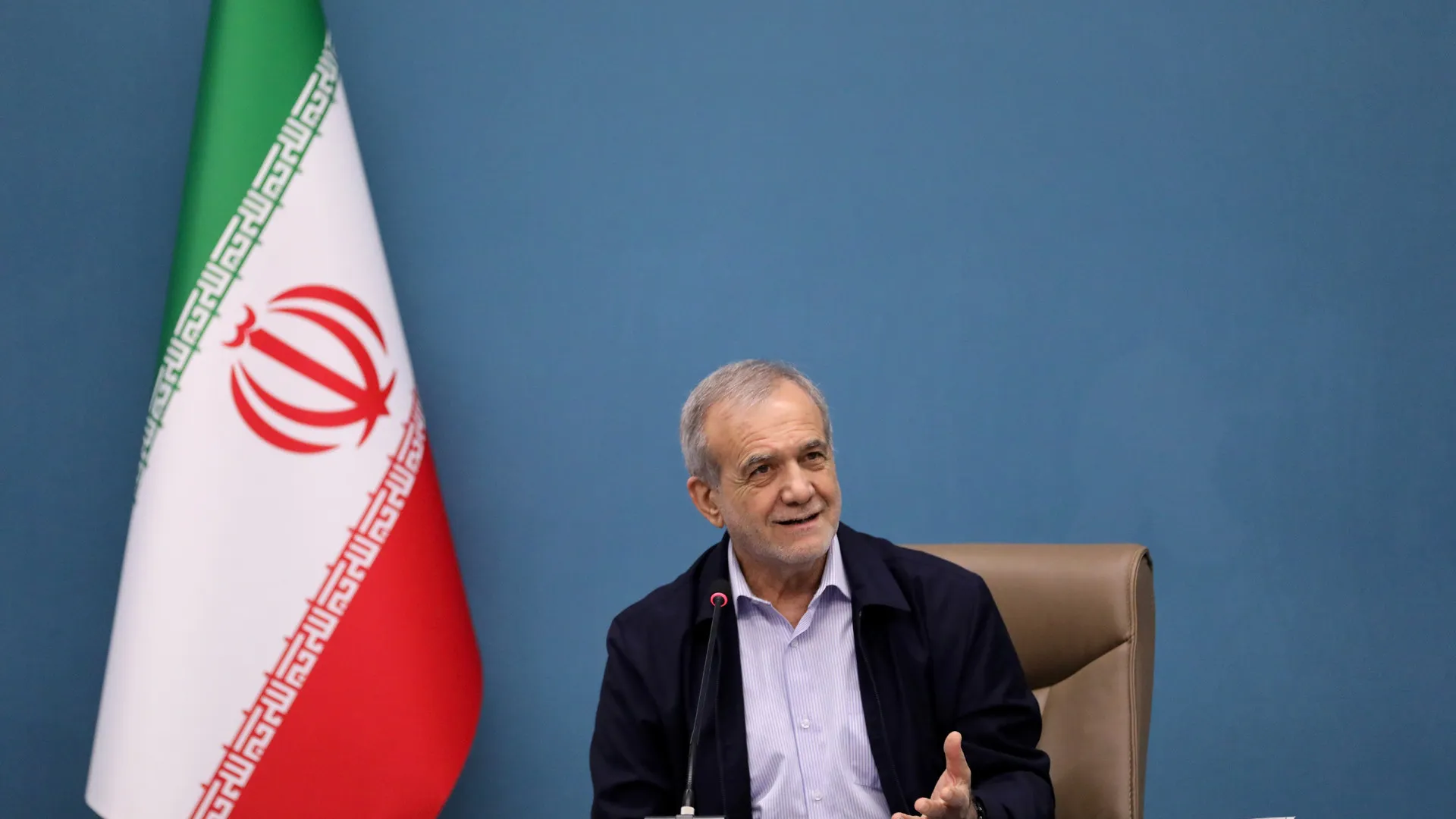
In the wake of recent attacks attributed to the United States and Israel, Iranian President Masoud Pezeshkian has sparked international concern by asserting that vengeance for the death of Supreme Leader Ali Khamenei is a “legitimate duty and right” of the Iranian nation. This statement has set off alarm bells in the global community, highlighting the increasingly complex and volatile dynamics between Iran, the United States, and Israel.
The Escalating Crisis: Historical Context and Precedents
To understand the gravity of Pezeshkian’s declaration, it is essential to delve into the historical context. The relationship between Iran and the United States has been strained for decades, with the 1979 Iranian Revolution and the subsequent US embassy hostage crisis serving as a significant turning point. In recent years, tensions have escalated due to disagreements over Iran’s nuclear program, with the US withdrawing from the Joint Comprehensive Plan of Action (JCPOA) in 2018. The Israeli government has also been a vocal critic of Iran’s nuclear ambitions and has conducted numerous airstrikes on Iranian targets.
A Pattern of Retaliation: Iran’s Military Doctrine
Iran’s military doctrine has historically been centered on the concept of “asymmetric warfare,” where the country seeks to counter more powerful adversaries through unconventional means, such as proxy forces and guerrilla tactics. This approach has been employed in various conflicts, including the Iran-Iraq War and the Syrian Civil War. In the context of Pezeshkian’s statement, it is possible that Iran may be planning to employ similar tactics to retaliate against the US and Israel.
The Implications of Pezeshkian’s Declaration
Pezeshkian’s assertion that vengeance for Khamenei’s death is a legitimate duty and right of the Iranian nation has significant implications for regional and global stability. It may embolden hardline factions within Iran’s leadership to pursue more aggressive policies, potentially leading to further escalations with the US and Israel. The international community, including the European Union, the United Nations, and other key players, must remain vigilant and engaged in diplomatic efforts to prevent a wider conflict.
A Call for Diplomacy: Mitigating the Risks of Escalation
As tensions continue to rise, it is essential to recognize that the path forward is not solely defined by military options. Diplomatic efforts, such as reviving the JCPOA or establishing new frameworks for dialogue, can help to mitigate the risks of escalation and create a more stable environment for regional stakeholders. The international community must come together to support these efforts and encourage Iran, the US, and Israel to engage in constructive dialogue aimed at resolving their differences peacefully.
In conclusion, Pezeshkian’s declaration has highlighted the precarious nature of the relationship between Iran, the US, and Israel. As the situation continues to unfold, it is crucial that all parties remain committed to diplomacy and avoid actions that could lead to further destabilization. By understanding the historical context, military doctrine, and implications of Pezeshkian’s statement, we can better navigate the complexities of this crisis and work towards a more peaceful and stable resolution.