





Iran’s Power Struggle: Mojtaba Khamenei’s Rise to Prominence Amidst Regional Tensions
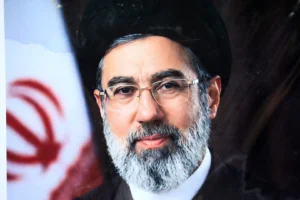
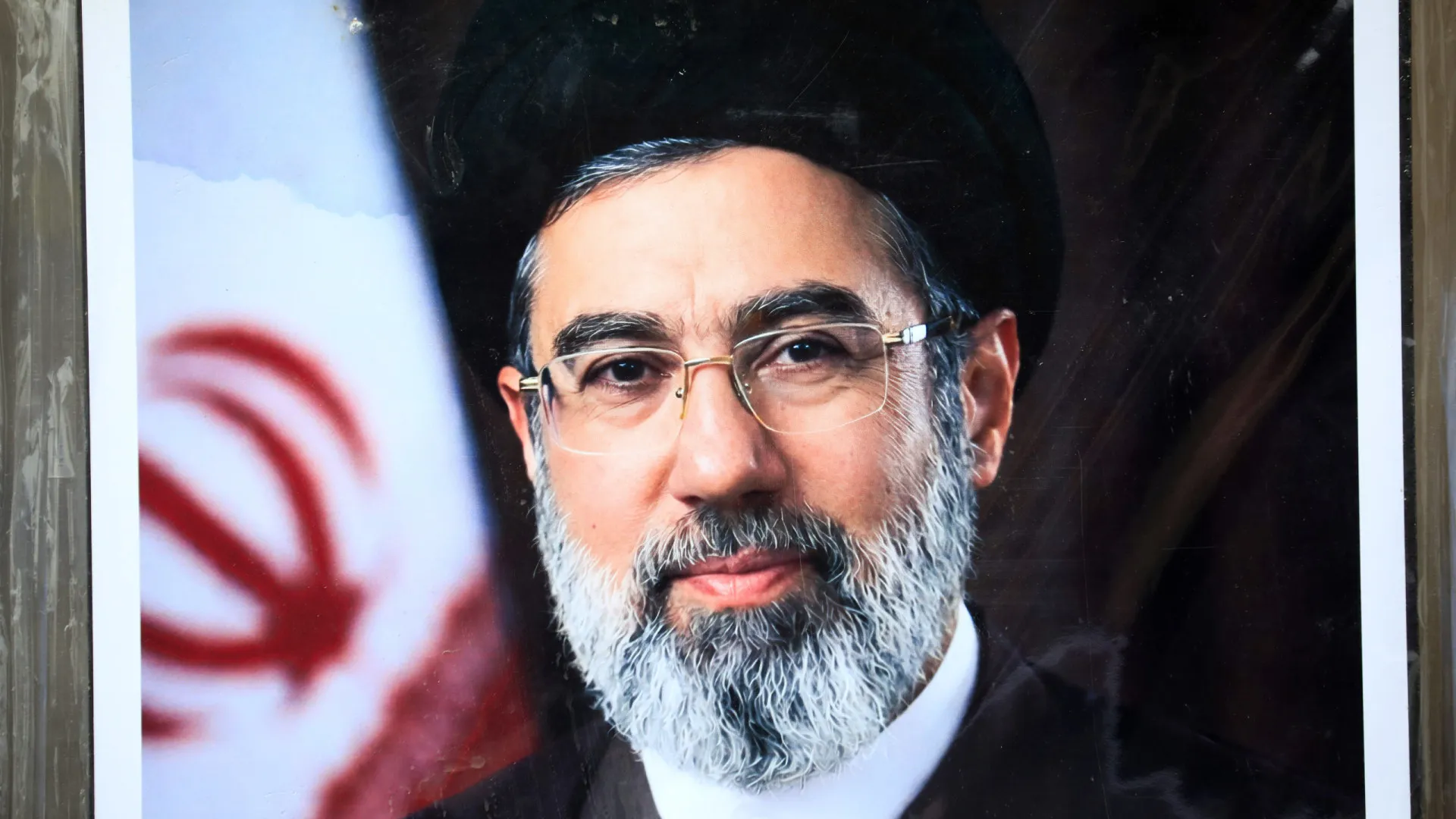
Tensions between Iran and the international community continue to escalate, with reports emerging of a potential power struggle within the Islamic Republic’s leadership. The recent death of Supreme Leader Ayatollah Ali Khamenei has sparked speculation about the future of Iran’s government, with Mojtaba Khamenei, the late leader’s son, emerging as a key figure in the country’s decision-making process.
According to sources close to the Iranian government, Mojtaba Khamenei has taken on a more prominent role in the country’s leadership since his father’s passing. The young politician has consistently denied rumors of a rift within the ruling elite, as well as speculation that he may have fled the country or sought medical treatment abroad. In a recent statement, Mojtaba Khamenei reiterated his commitment to Iran’s Islamic values and vowed to continue his father’s legacy.
Regional Tensions and International Pressure
Despite Mojtaba Khamenei’s assertions, the situation in Iran remains volatile. The country’s government has accused the United States and Israel of interfering in domestic affairs and hindering efforts to negotiate a ceasefire. The Iranian Ministry of Foreign Affairs has released a statement condemning what it calls “unacceptable” behavior from the international community, which it claims is violating diplomatic norms and undermining the country’s sovereignty.
The tensions between Iran and the West are not new. A long-standing dispute over Iran’s nuclear program has been a major source of friction between the two sides. The 2015 Joint Comprehensive Plan of Action (JCPOA) aimed to address these concerns, but its collapse in 2018 has led to a significant escalation of tensions. The subsequent imposition of economic sanctions by the United States has had a devastating impact on Iran’s economy, exacerbating the country’s already dire humanitarian situation.
Historical Context and Future Implications
The rise of Mojtaba Khamenei to prominence is not without precedent. His father’s ascension to power in 1989 marked a significant turning point in Iranian politics, as the country transitioned from a revolutionary fervor to a more pragmatic and authoritarian leadership. The younger Khamenei’s emergence is likely to be seen as an attempt to consolidate power and maintain the ruling elite’s grip on the country.
However, the implications of Mojtaba Khamenei’s rise are far-reaching. A more assertive and possibly more radical leadership could lead to further escalation of tensions with the international community. The Iranian government’s accusations of US and Israeli interference are likely to be met with skepticism by many, given the country’s history of human rights abuses and support for militant groups in the region.
Conclusion
As the situation in Iran continues to unfold, one thing is clear: the country is at a crossroads. The future of the Islamic Republic hangs in the balance, with Mojtaba Khamenei’s rise to prominence casting a long shadow over the country’s politics. The international community must remain vigilant, monitoring developments closely and working to de-escalate tensions in the region. Only through diplomatic engagement and cooperation can the world hope to address the pressing challenges facing Iran and its people.