






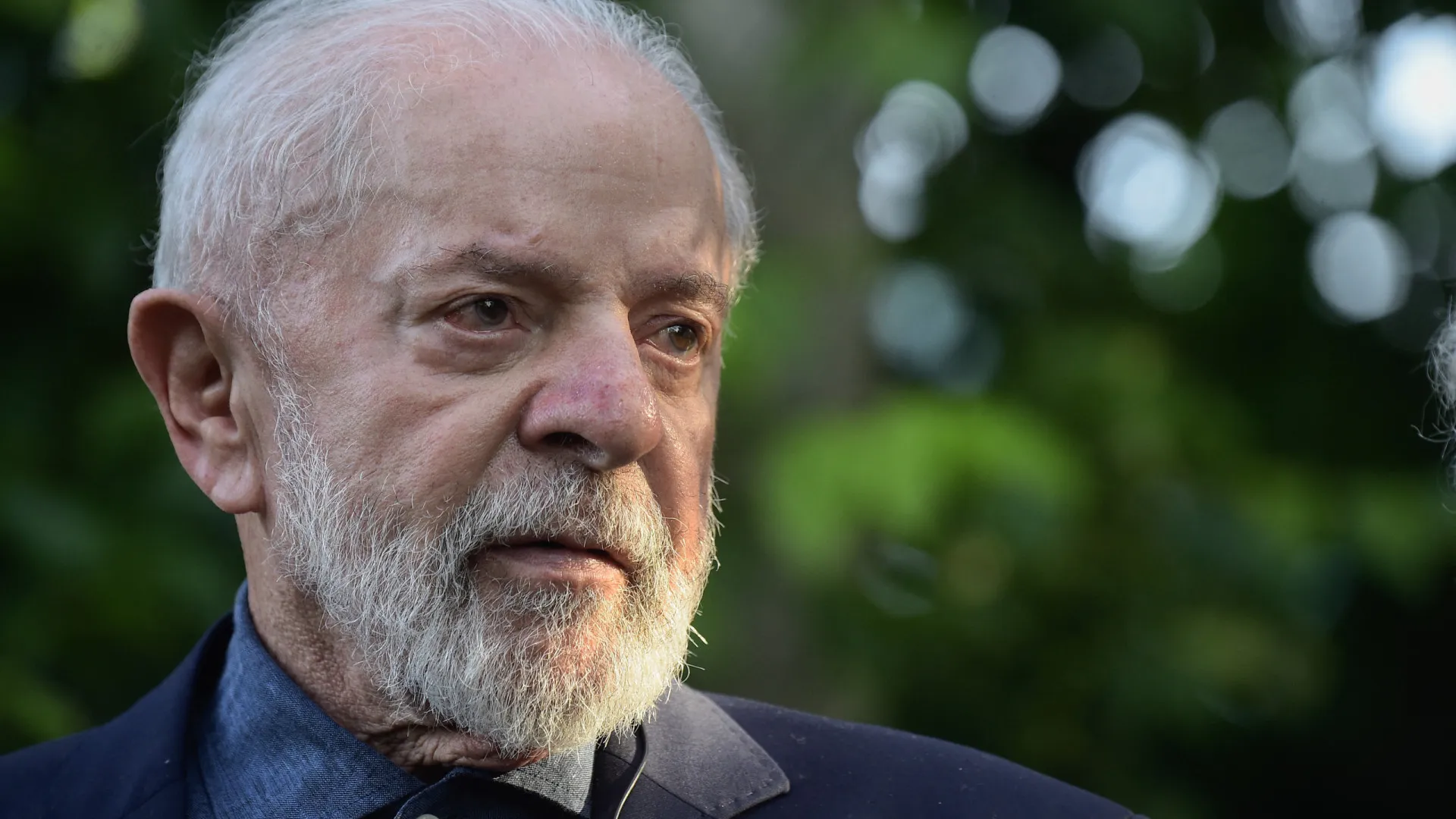
President Lula’s Scathing Rebuke: Holding Leaders Accountable for Their Actions
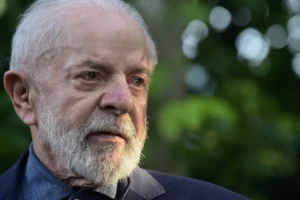
In a recent statement, Brazilian President Luiz Inácio Lula da Silva (Lula) issued a stern rebuke aimed at leaders who prioritize rhetoric over tangible results. The President’s remarks highlight the growing concern about the disconnect between politicians’ promises and their actual performance in office. This phenomenon is not unique to Brazil, as various countries have seen leaders make lofty claims only to fall short of delivering on their commitments.
The Art of Eloquent Deception: A Historical Context
Throughout history, politicians have employed masterful oratory skills to sway public opinion and secure power. From ancient Greece to modern-day leaders, the art of rhetoric has been used to persuade, manipulate, and deceive. However, President Lula’s statement suggests that a significant portion of the population has grown increasingly skeptical of leaders who prioritize style over substance. This skepticism is rooted in the understanding that effective governance requires concrete actions, not just empty promises.
The Consequences of Empty Rhetoric
A leader’s ability to deliver results is often a reflection of their commitment to their constituents. When leaders fail to follow through on their promises, they erode trust and create a sense of disillusionment among their supporters. This can have far-reaching consequences, including decreased voter turnout, increased polarization, and a general distrust of institutions. In countries where leaders have a history of making promises they cannot keep, citizens may become desensitized to empty rhetoric, leading to a sense of apathy and disengagement from the political process.
A Call to Accountability
President Lula’s statement serves as a reminder that leaders must be held accountable for their actions. This accountability is essential in maintaining public trust and ensuring that leaders remain focused on delivering meaningful results. By prioritizing concrete actions over empty rhetoric, leaders can build a stronger connection with their constituents and create a more stable and effective governance system.
The Future of Governance: A Shift towards Results-Oriented Leadership
As the world grapples with complex challenges such as climate change, economic inequality, and social injustice, the need for effective governance has never been more pressing. President Lula’s statement suggests that there is a growing recognition of the importance of results-oriented leadership. By prioritizing tangible outcomes over empty promises, leaders can create a more sustainable and equitable future for their citizens. As the global community looks towards the future, it is clear that the era of eloquent deception is coming to an end, and the time for authentic, results-driven leadership has begun.