






Incident Sparks Debate on Inclusive Language in Politics
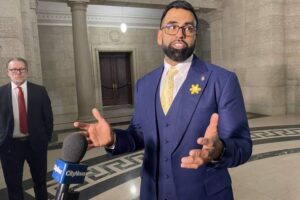
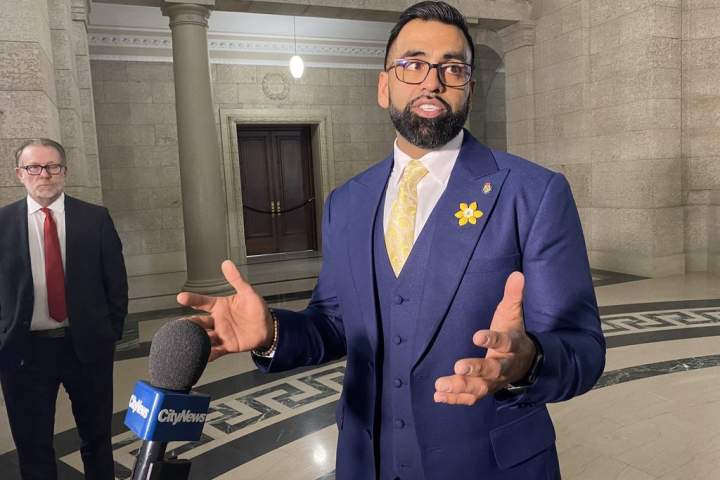
A recent incident in the Manitoba legislature has drawn attention to the importance of using inclusive language in politics. On Tuesday, the leader of the Progressive Conservative party, Obby Khan, faced criticism from Speaker Tom Lindsey for his remarks directed at a non-binary cabinet minister, which were described as hateful and dehumanizing.
Background and Context
The incident occurred during a heated debate in the legislature, where Khan made comments that were perceived as derogatory towards the non-binary minister. The remarks sparked outrage among opposition members and supporters of the minister, who felt that Khan’s words were not only hurtful but also perpetuated a culture of exclusion and intolerance.
This incident is not an isolated incident. The use of derogatory language and the marginalization of marginalized communities have long been issues in politics. In the past, politicians have faced backlash for using language that is discriminatory and hurtful towards various groups, including women, racial and ethnic minorities, and the LGBTQ+ community.
Impact on Inclusive Language in Politics
The recent incident in Manitoba highlights the importance of using inclusive language in politics. The use of inclusive language is not only a matter of respect and dignity but also a crucial aspect of creating a welcoming and inclusive environment for all citizens. Inclusive language acknowledges the diversity of the population and promotes understanding and acceptance of different identities and experiences.
Historical Context and Future Implications
The use of inclusive language in politics has a long history. In the 1960s and 1970s, activists and politicians fought for the rights of marginalized communities, including women and racial and ethnic minorities. The LGBTQ+ community has also made significant strides in recent years, with the legalization of same-sex marriage in many countries and the recognition of non-binary identities.
The future implications of this incident are significant. As politicians and public figures, leaders have a responsibility to use language that is respectful and inclusive. The use of derogatory language can have serious consequences, including alienating marginalized communities and perpetuating a culture of intolerance.
Conclusion
The incident in Manitoba highlights the importance of using inclusive language in politics. The use of derogatory language and the marginalization of marginalized communities are not acceptable in any context. As politicians and public figures, leaders have a responsibility to use language that is respectful and inclusive. By doing so, we can create a more welcoming and inclusive environment for all citizens, regardless of their identity or background.
**Keywords:** inclusive language, politics, Manitoba, Obby Khan, non-binary minister, hate speech, dehumanizing language, marginalized communities, LGBTQ+ community, women’s rights, racial and ethnic minorities, respect and dignity.
Sources:
* Manitoba Legislative Assembly
* CBC News
* The Winnipeg Free Press
* The Globe and Mail
Related Topics:
* Inclusive language in politics
* Hate speech and its consequences
* Marginalization of marginalized communities
* LGBTQ+ rights and recognition
* Women’s rights and representation in politics
* Racial and ethnic minority representation in politics
Source: globalnews.ca