









Canine Detection of C. difficile: A Decade of Service and the Evolution of Infection Control
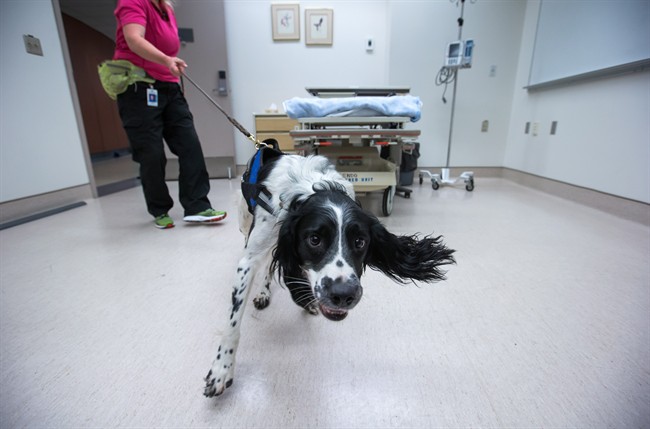
In the realm of medical diagnostics, a highly specialized canine has been instrumental in detecting a notorious superbug over the past decade. Angus, a trained detection dog, has spent an impressive 85% of his life dedicated to sniffing out Clostridioides difficile (C. difficile), a type of bacteria responsible for severe gastrointestinal infections in humans. Since his initial training in 2016, Angus has become an indispensable asset in Canadian hospitals and health-care facilities, helping to prevent outbreaks and reduce the risk of C. difficile infections.
A Brief History of C. difficile
First identified in the 1930s, C. difficile has evolved into a major public health concern in recent decades. The bacterium is often associated with antibiotic use, which disrupts the normal gut flora and allows C. difficile to proliferate. The resulting infections can be severe, particularly among vulnerable populations such as the elderly and those with compromised immune systems. In the early 2000s, a significant rise in C. difficile-related illnesses prompted a global response, with increased awareness and enhanced infection control measures being implemented.
Angus and the Rise of Canine Detection
In 2016, Angus was trained to detect C. difficile using a sophisticated scent-detection method. Since then, he has worked tirelessly to identify areas of potential contamination within hospitals and health-care facilities. Angus’s unique ability to detect the subtle scent of C. difficile has proven invaluable in preventing outbreaks and reducing the risk of infection. By targeting high-risk areas and individuals, Angus has played a significant role in promoting a culture of infection prevention and control.
Evolving Infection Control Strategies
Angus’s contributions to C. difficile detection underscore the importance of integrating technology and innovative approaches into infection control strategies. As healthcare systems continue to evolve, it is essential to explore and leverage new methods for detecting and preventing infections. This includes the development of advanced diagnostic tools, enhanced cleaning and disinfection protocols, and the adoption of evidence-based practices.
The Future of Infection Control
As Angus continues his vital work in detecting C. difficile, his legacy serves as a testament to the power of collaboration and innovation in healthcare. As we move forward in the fight against C. difficile and other infectious agents, it is crucial to prioritize infection control, invest in research and development, and harness the expertise of specialized professionals like Angus. By doing so, we can create a safer, healthier environment for patients and healthcare workers alike.
In conclusion, Angus’s remarkable story highlights the critical role that detection dogs like him play in the ongoing battle against C. difficile. As we look to the future, it is essential to continue pushing the boundaries of infection control and leveraging innovative approaches to safeguard public health.
Source: globalnews.ca