









Middle East Tensions Escalate: UAE, Kuwait, and Saudi Arabia Respond to Iran-Attributed Missile and Drone Attacks
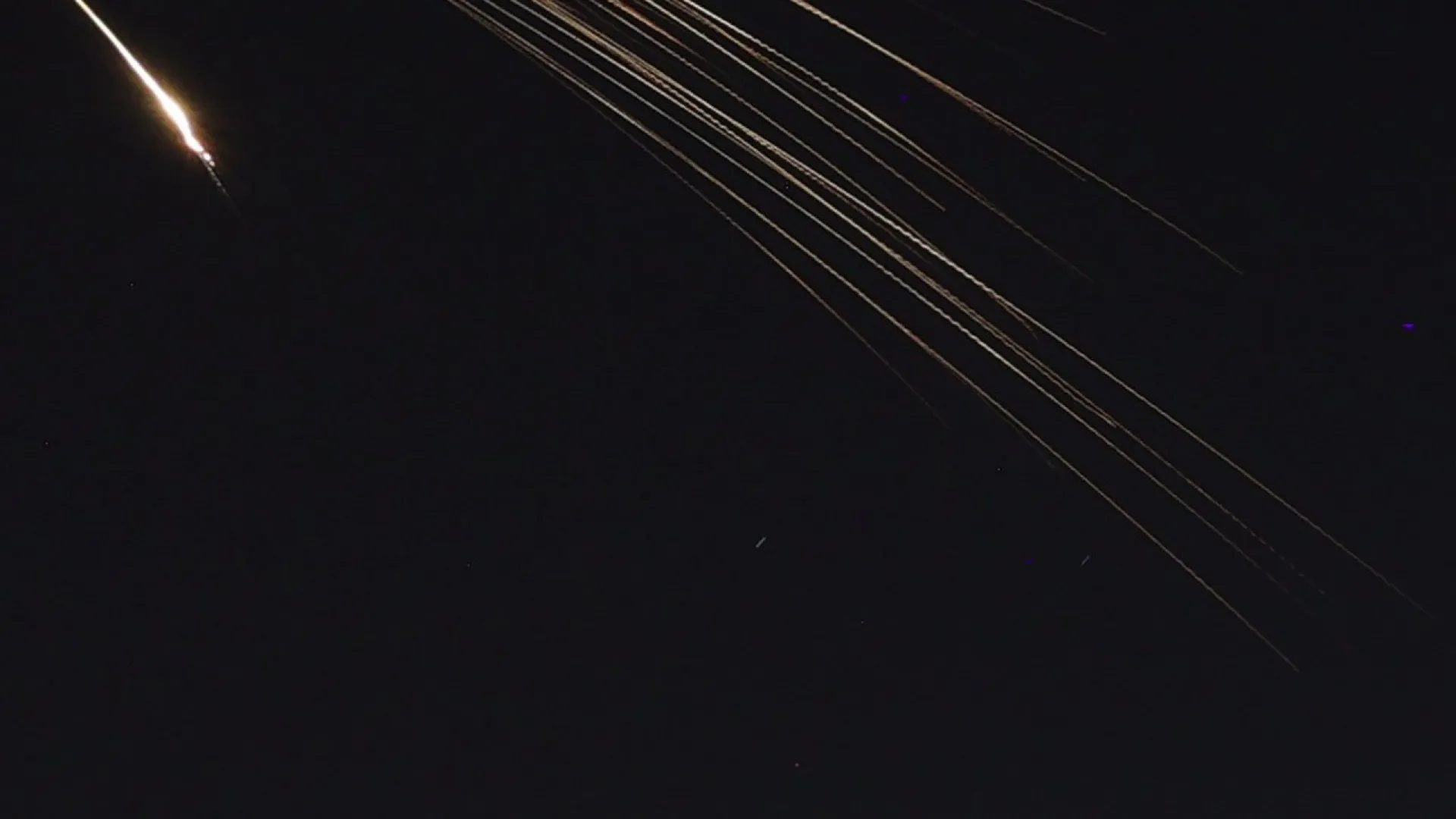
The ongoing conflict in the Middle East has taken a perilous turn, with the United Arab Emirates (UAE), Kuwait, and Saudi Arabia responding to a series of missile and drone attacks attributed to Iran. The escalation of the situation has already affected countries in the Gulf region, resulting in devastating fires and heightened tensions in strategic energy production areas.
A History of Tensions: The Complex Iran-US Relationship
The Iran-US relationship has been marred by tensions for decades, with the 1979 Iranian Revolution marking a significant turning point. The subsequent hostage crisis and ongoing disputes over nuclear programs have created an atmosphere of animosity. The current situation is a continuation of this long-standing feud, with both sides engaged in a game of cat and mouse.
In recent years, the situation has become increasingly volatile, with the US withdrawal from the Joint Comprehensive Plan of Action (JCPOA) in 2018 and subsequent re-imposition of sanctions. Iran has responded by accelerating its nuclear program, leading to increased tensions in the region. The latest developments, including the UAE, Kuwait, and Saudi Arabia attributing missile and drone attacks to Iran, have raised concerns about the stability of the region.
Regional Implications: Energy Production and Economic Consequences
The Middle East is a critical energy-producing region, accounting for over 30% of global oil production. The current situation has raised concerns about the potential disruption to energy supplies, which could have far-reaching economic consequences. The Strait of Hormuz, a critical waterway connecting the Persian Gulf to the international shipping lanes, has been a focal point of tensions in the past. Any disruption to energy supplies could lead to a significant increase in oil prices, impacting global economies.
The ongoing conflict has also raised concerns about regional stability, with the potential for further escalation and the involvement of other regional players. The UAE, Kuwait, and Saudi Arabia have responded to the missile and drone attacks by activating their air defense systems and increasing military presence in the region. This move is seen as a necessary step to protect their sovereignty and ensure the stability of the region.
Conclusion: A Delicate Balance of Power
The situation in the Middle East remains a complex and delicate balance of power, with multiple regional and global players vying for influence. The current escalation of tensions between the UAE, Kuwait, Saudi Arabia, and Iran is a stark reminder of the region’s volatility. As the situation continues to unfold, it is essential to monitor the situation closely, ensuring that diplomatic efforts are made to de-escalate tensions and prevent further instability in the region.
**Keywords:** Middle East, Iran, UAE, Kuwait, Saudi Arabia, missile and drone attacks, energy production, regional stability, global economy.
Additional Information:
– The US has been actively involved in the region, providing military support to its allies in the Gulf Cooperation Council (GCC).
– The Iran-US relationship has been complicated by the US’s policy of “maximum pressure” on Iran, which has led to increased tensions and a deterioration of relations.
– The current situation has raised concerns about the potential for a wider conflict, with the involvement of other regional players, including Turkey, Israel, and Qatar.