









Devastating Flooding in Minas Gerais: Death Toll Rises Amid Rescue Efforts
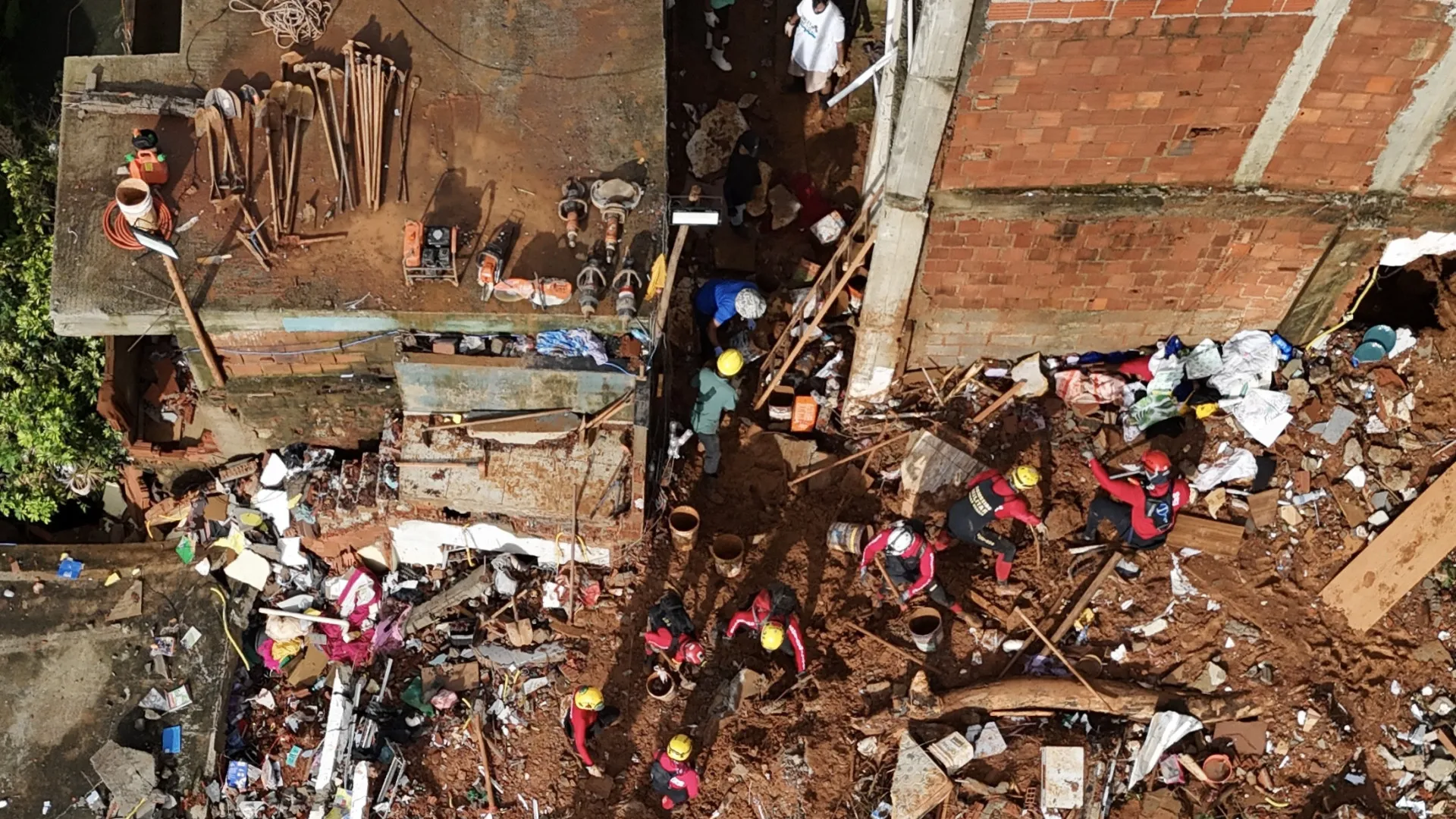
In the aftermath of the severe flooding in Minas Gerais, Brazil, the number of fatalities has continued to rise, with authorities confirming 65 deaths in Juiz de Fora and 7 in Ubá as of the latest update. The grim statistics were revealed during a press conference held on Sunday morning, bringing together state authorities from the Police Civil, Fire Department, Civil Defense, and Military Police.
The flooding, which has been exacerbated by heavy rainfall, has left a trail of destruction in its wake, with numerous homes and businesses affected. The crisis has also taken a toll on the local economy, with many residents forced to evacuate their homes and seek shelter in temporary facilities. The rescue efforts, which involve a multidisciplinary team of emergency responders, have been ongoing for several days, with search and rescue operations continuing in affected areas.
A Glimpse into the Historical Context of Flooding in Minas Gerais
Minas Gerais has a long history of experiencing severe flooding, with the state’s geography making it prone to natural disasters. The region’s terrain, characterized by rugged mountains and valleys, can lead to the rapid accumulation of water during heavy rainfall events. In the past, flooding has caused significant damage and loss of life in the state, with the 2010 floods in the city of Governador Valadares being a notable example.
In recent years, there has been a growing concern about the impact of climate change on the frequency and severity of flooding events in Minas Gerais. Rising temperatures and changing precipitation patterns have been linked to an increase in extreme weather events, including heavy rainfall and flash flooding. As the state continues to experience the devastating effects of flooding, there is a growing need for authorities to prioritize disaster preparedness and mitigation measures.
The Human Cost of Flooding
Beyond the immediate economic and infrastructure costs, the flooding in Minas Gerais has taken a significant toll on the local community. Many residents have been forced to leave their homes and seek temporary shelter, with some families facing significant challenges in accessing basic necessities such as food, water, and healthcare.
The emotional and psychological impact of the flooding should not be underestimated, with many survivors experiencing trauma and anxiety as a result of the disaster. In the aftermath of the flooding, there is a growing need for support services to be made available to those affected, including counseling and psycho-social support.
A Long Road to Recovery
As the rescue efforts continue, the focus is shifting to the recovery phase, with authorities working to restore basic services and infrastructure in affected areas. The road to recovery will be long and challenging, with many residents facing significant uncertainty about their future.
In the face of this adversity, it is essential that the state and federal governments prioritize disaster relief and recovery efforts, providing support to those affected by the flooding. By working together, it is possible to mitigate the impact of natural disasters and build more resilient communities in the face of climate change.
Conclusion
The devastating flooding in Minas Gerais serves as a stark reminder of the importance of disaster preparedness and mitigation measures. As the state continues to grapple with the aftermath of the disaster, there is a growing need for authorities to prioritize support services and recovery efforts. By working together, it is possible to rebuild and recover from this disaster, while also building a more resilient future for the people of Minas Gerais.