









Lunar Expedition Marks Historic Return to the Moon’s Proximity
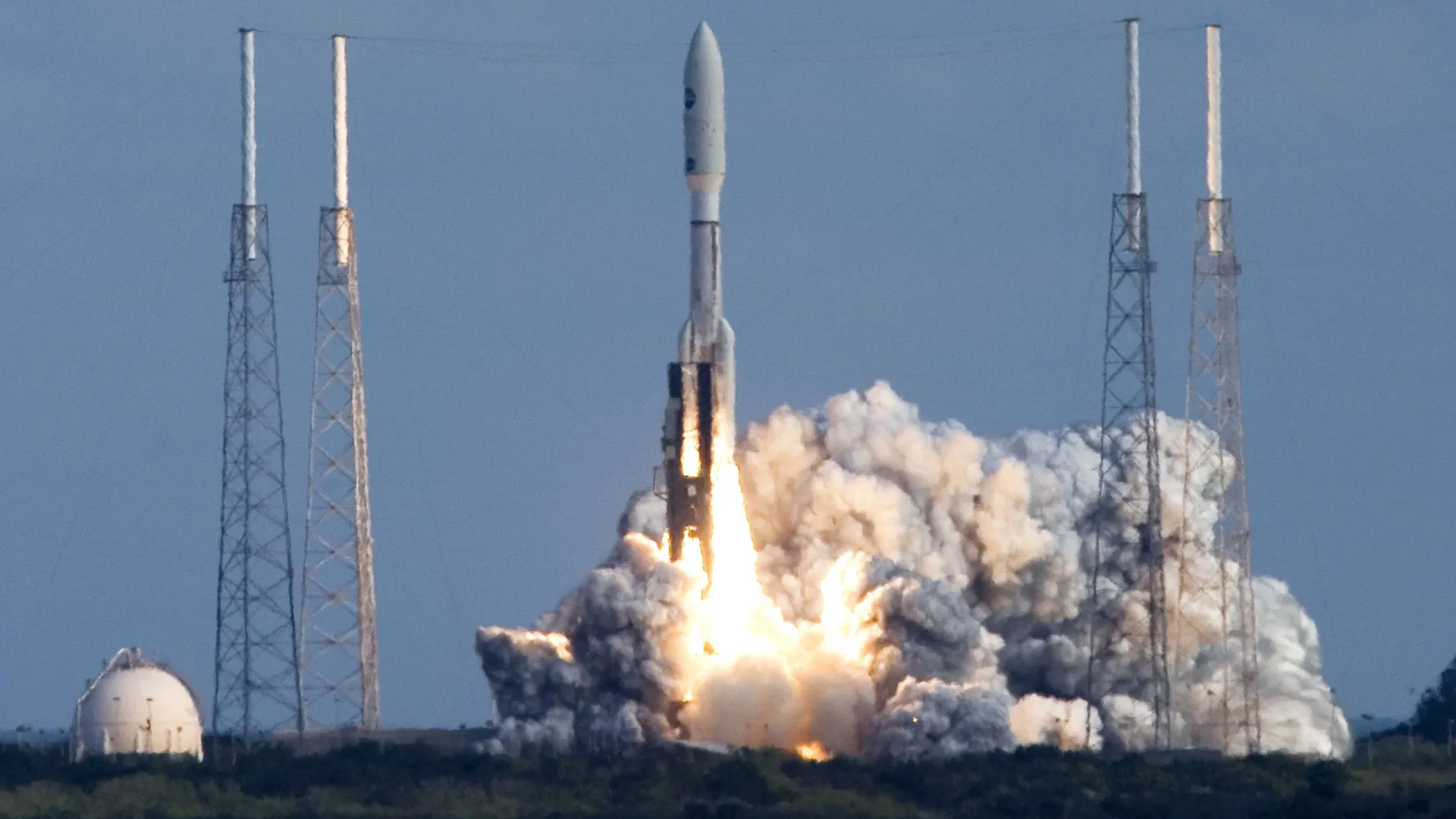
After nearly five decades since the last manned mission to the Moon’s vicinity, the stage is set for a groundbreaking journey to rekindle humanity’s presence in lunar space. The forthcoming expedition, initially slated for a February launch, will be the first human-led mission to the Moon’s periphery since the Apollo 17 mission in December 1972. This historic endeavor marks a pivotal moment in lunar exploration, ushering in a new era of space travel and research.
A Legacy of Lunar Exploration: The Apollo Era
The Apollo program, launched in the late 1960s, successfully landed six manned missions on the Moon’s surface between 1969 and 1972. The Apollo 17 mission, crewed by Eugene Cernan, Ronald Evans, and Harrison Schmitt, was the final lunar expedition before a prolonged hiatus in human spaceflight to the Moon. Since then, numerous robotic missions have been sent to the Moon, providing valuable insights into its geology, composition, and potential resources.
The Current Mission: Unveiling the Mysteries of the Moon’s Proximity
The upcoming mission, though still shrouded in secrecy, promises to shed new light on the Moon’s proximity. As NASA and its international partners continue to advance the frontiers of space exploration, the lunar vicinity is proving to be a critical testing ground for deep space travel and long-term human presence in space. The mission will likely involve cutting-edge technology, novel scientific instruments, and innovative strategies for sustaining crew health and performance during the prolonged journey.
Historical Context and Future Implications
The renewed focus on lunar exploration reflects the growing recognition of the Moon’s strategic importance in the pursuit of deep space exploration and development. As governments and private space agencies continue to advance the frontiers of space travel, the Moon is emerging as a critical hub for scientific research, resource utilization, and strategic military presence. The mission’s success will not only revive the spirit of lunar exploration but also pave the way for future human settlements on the Moon and, ultimately, beyond.
Challenges and Opportunities
While the mission presents numerous scientific and technological challenges, it also offers unparalleled opportunities for discovery and innovation. By pushing the boundaries of human spaceflight and lunar research, the mission will contribute to a deeper understanding of the Moon’s geological and astronomical phenomena, ultimately enriching our understanding of the universe and our place within it.
Conclusion: A New Era of Lunar Exploration
The forthcoming mission marks a monumental milestone in the history of lunar exploration, reviving the pioneering spirit of the Apollo era. As humanity embarks on this new chapter in space travel, the Moon’s proximity will become a critical testing ground for the exploration and development of deep space. With its rich scientific and historical context, the mission will not only shed new light on the Moon’s secrets but also illuminate the path to a new era of human spaceflight and lunar presence.
Source: Notícias ao Minuto Brasil – Tech